Vitamins vs. Minerals: The Core Distinction
Micronutrients are nutrients your body needs in relatively small amounts but cannot function without. Unlike macronutrients like carbs, protein, and fat, micronutrients provide no calories - they work as regulators, co-factors, and structural components across virtually every physiological process.
The two main categories are vitamins and minerals. Vitamins are organic compounds (meaning they contain carbon) and can be broken down by heat, air, or acid. Minerals are inorganic elements - iron, calcium, zinc - that retain their chemical identity regardless of cooking or storage. Both groups divide further based on how the body handles them.
Micronutrients
Vitamins and minerals required by the body in small quantities to support metabolism, immunity, growth, and organ function. They provide no energy (calories) but are essential for health.
Fat-soluble vitamins
Vitamins A, D, E, and K, which dissolve in fat and are stored in the liver and fatty tissues. Because they accumulate, excessive intake from supplements can reach harmful levels over time.
Water-soluble vitamins
Vitamin C and the eight B vitamins, which dissolve in water and are not stored in significant amounts. Excess is generally excreted in urine, making regular dietary intake important.
Trace minerals
Minerals required in very small amounts - typically less than 100 mg per day - including iron, zinc, selenium, iodine, and copper. Small does not mean unimportant; deficiencies have significant health consequences.
Heme iron
A form of iron found in animal-derived foods such as red meat, poultry, and seafood. It is absorbed more efficiently by the body than non-heme iron from plant sources.
Provitamin A carotenoids
Plant pigments such as beta-carotene that the body can convert into vitamin A. They are found in orange, yellow, and dark leafy vegetables, providing a non-animal source of this essential nutrient.
Understanding these categories helps explain why no single food covers everything, and why dietary variety - not supplementation - is the cornerstone of micronutrient adequacy for most healthy adults. For a foundational overview of nutrition as a whole, see our beginner's guide to eating better.
Key Vitamins: Roles and Food Sources
Vitamins split into two groups: fat-soluble (A, D, E, K) and water-soluble (C and the eight B vitamins). Fat-soluble vitamins are stored in body fat and liver tissue, so they accumulate over time. Water-soluble vitamins are not stored appreciably and need regular replenishment through food.
| Total essential vitamins | 13 (National Institutes of Health, Office of Dietary Supplements) |
| Fat-soluble vitamins | A, D, E, K |
| Water-soluble vitamins | C + 8 B vitamins |
| Only vitamin not found in plant foods | Vitamin B12 (NIH Office of Dietary Supplements) |
| Vitamin D synthesis trigger | UVB sunlight exposure on skin |
| Mineral categories | Macrominerals & trace minerals |
- Vitamin A - Supports vision, immune defense, and skin integrity. Found in liver, dairy, eggs, and as provitamin A carotenoids in orange and dark leafy vegetables.
- B vitamins (B1, B2, B3, B5, B6, B7, B9, B12) - Collectively drive energy metabolism, DNA synthesis, and nervous system function. Whole grains, legumes, meat, dairy, and leafy greens are rich sources; B12 is found almost exclusively in animal products.
- Vitamin C - An antioxidant essential for collagen synthesis and immune response. Bell peppers, citrus, broccoli, and strawberries are among the highest sources.
- Vitamin D - Regulates calcium absorption and immune signaling; synthesized in skin on sunlight exposure. Few foods are naturally high - fatty fish and egg yolks are exceptions; many dairy and plant milks are fortified.
- Vitamin E - Protects cell membranes from oxidative damage. Sunflower seeds, almonds, and wheat germ oil are concentrated sources.
- Vitamin K - Critical for blood clotting (K1) and bone metabolism (K2). Dark leafy greens supply K1; fermented foods and some animal products supply K2.
Essential Minerals: What They Do and Where to Find Them
Minerals are divided into macrominerals (needed in larger amounts: calcium, phosphorus, magnesium, sodium, potassium, chloride, sulfur) and trace minerals (needed in smaller amounts: iron, zinc, selenium, iodine, copper, manganese, fluoride, chromium).
13
Essential vitamins required by the human body
Classified by the National Institutes of Health, each plays a distinct and non-interchangeable physiological role.
300+
Enzymatic reactions involving magnesium
Research published in nutrition physiology literature consistently identifies magnesium as a co-factor in energy production, protein synthesis, and DNA repair.
~40%
U.S. adults estimated to have low vitamin D levels
Estimates vary by methodology, but population studies suggest low vitamin D status is common, particularly in northern latitudes and among those with limited sun exposure.
- Calcium - Builds and maintains bone density; involved in muscle contraction and nerve signaling. Dairy, fortified plant milks, tofu made with calcium sulfate, and leafy greens like kale.
- Iron - Carries oxygen in hemoglobin. Heme iron (red meat, poultry, seafood) absorbs more readily than non-heme iron (legumes, spinach, fortified cereals). Pairing plant iron sources with vitamin C improves absorption.
- Magnesium - Participates in over 300 enzymatic reactions, including energy production and muscle relaxation. Pumpkin seeds, black beans, whole grains, and dark chocolate.
- Zinc - Supports immune function, wound healing, and protein synthesis. Oysters are exceptionally high; beef, pumpkin seeds, and chickpeas are practical everyday sources.
- Iodine - Essential for thyroid hormone production. Iodized salt, seaweed, dairy, and seafood are primary sources.
- Selenium - Antioxidant enzyme co-factor; supports thyroid function. Brazil nuts, tuna, and eggs are notable sources.
For most adults eating a varied diet, food sources are sufficient. If you're considering supplements, understand what the evidence actually supports before adding them to your routine.
Putting It Into Practice
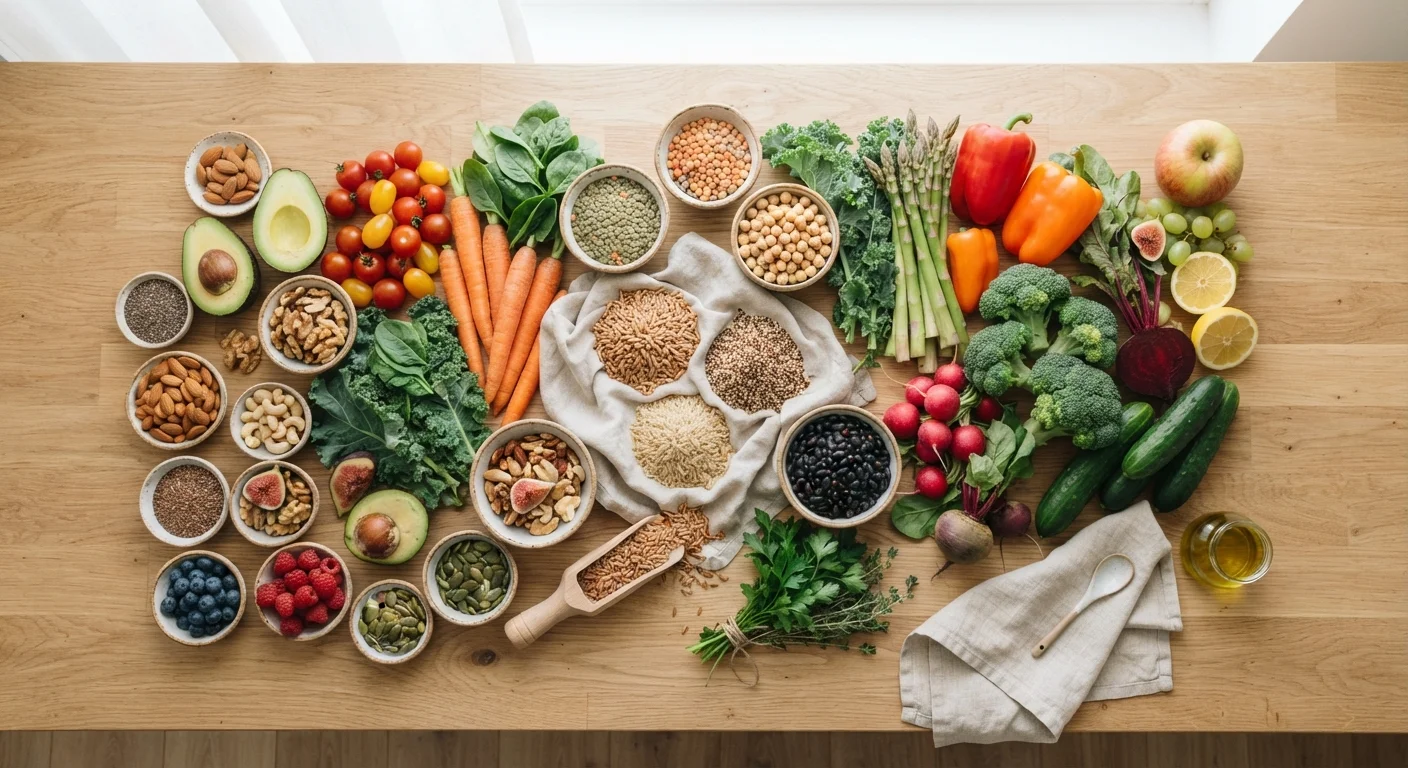
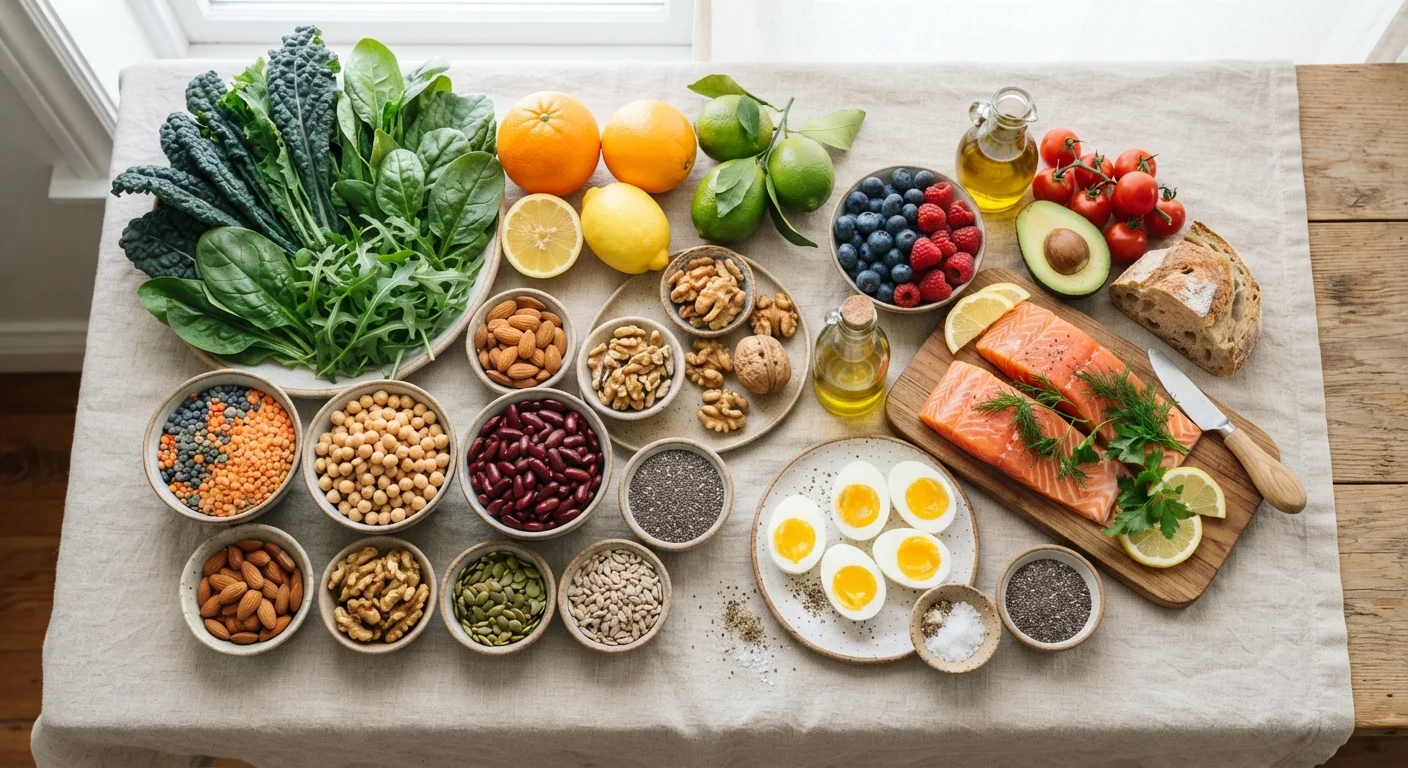
The most practical takeaway from micronutrient science isn't a list of pills - it's a pattern: eating a wide variety of whole foods across all major food groups is the most reliable way to cover your micronutrient bases without micromanaging every meal.
A few evidence-aligned habits make a real difference: prioritize colorful vegetables and fruits for vitamins C, A, K, and folate; include legumes and whole grains for B vitamins and magnesium; don't avoid animal products wholesale without understanding the B12 and iron implications; and consider that vitamin D status may need periodic monitoring since few diets supply it consistently.
Building a balanced plate doesn't require tracking apps or strict rules - it means routinely choosing from enough food categories that gaps are unlikely. Water plays a supporting role too: adequate hydration affects how your body absorbs and uses nutrients.
Food First, Supplements Second
For most healthy adults without diagnosed deficiencies, a varied whole-food diet provides adequate micronutrients. Supplements can fill genuine gaps - particularly vitamin D, B12 for those avoiding animal products, and iron for certain populations - but they are not a substitute for dietary variety. Always discuss supplementation with a healthcare provider before starting, especially if you take medications or have an existing health condition.
This article is for general informational purposes only and is not a substitute for personalized medical or dietary advice. If you have concerns about nutritional deficiencies or specific health conditions, consult a qualified healthcare professional or registered dietitian.