
What Nutrition Actually Means
Nutrition is simply the study of how food and drink affect the body - how nutrients are absorbed, used, stored, and eliminated. It's not a set of rules about what you're allowed to eat. It's a framework for understanding what your body does with the energy and materials you give it.
The reason this distinction matters is that most nutrition confusion comes from conflating science with lifestyle doctrine. Nutrition science observes and measures. Dietary advice - what you actually eat - is where individual circumstances, culture, and preference rightfully enter the picture.
For young professionals navigating a dense landscape of food trends and conflicting headlines, the most grounding place to start is with fundamentals, not prescriptions. Think of it the same way you'd approach any new skill: understand how the system works before optimizing it.
Macronutrients
The three main categories of nutrients - carbohydrates, proteins, and fats - that the body requires in relatively large amounts to provide energy and support basic functions.
Micronutrients
Vitamins and minerals needed in small amounts that regulate metabolism, immune function, bone health, and many other bodily processes without providing direct energy.
Whole foods
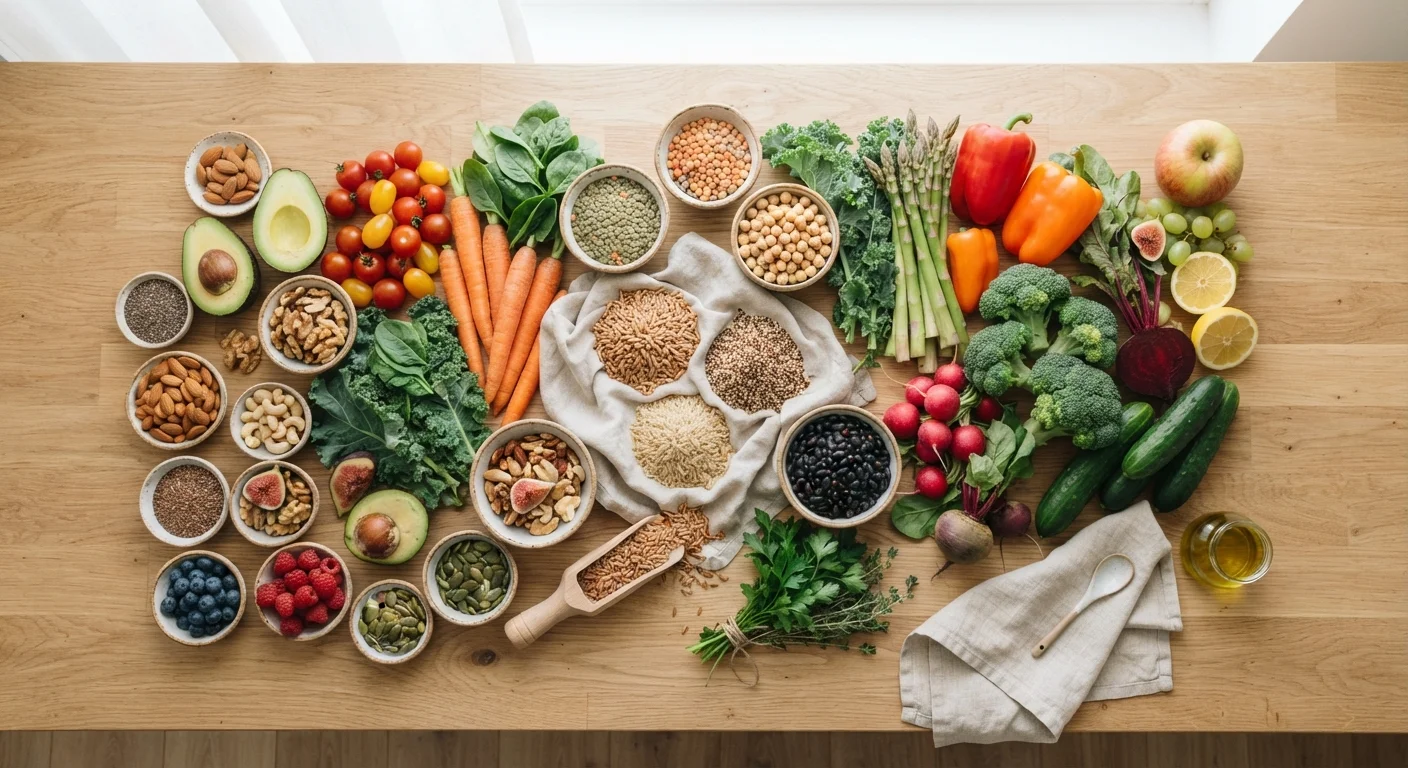
Foods that are minimally processed and close to their natural state, such as vegetables, fruits, legumes, whole grains, nuts, and unprocessed meats.
Ultra-processed foods
Industrial food products containing ingredients rarely used in home cooking - such as emulsifiers, flavor enhancers, and added sugars - that are significantly altered from their original form.
Dietary pattern
The overall combination of foods and drinks consumed regularly over time, rather than any single meal or food choice considered in isolation.
Registered Dietitian (RD)
A credentialed nutrition professional licensed to provide personalized dietary assessment and advice, qualified to work with both healthy individuals and those managing medical conditions.
The Core Nutrients and What They Do
Nutrients are divided into two broad categories: macronutrients, needed in larger amounts, and micronutrients, needed in smaller but equally critical amounts.
Macronutrients
- Carbohydrates are the body's preferred fuel source, particularly for the brain and during physical activity. They're found in grains, fruits, vegetables, legumes, and dairy.
- Proteins are made of amino acids and serve as the building blocks for muscle, enzymes, hormones, and immune function. Sources include meat, fish, eggs, dairy, legumes, tofu, and tempeh.
- Fats support cell membrane integrity, hormone production, fat-soluble vitamin absorption (A, D, E, K), and sustained energy. Sources include nuts, seeds, oils, fatty fish, and avocados.
Micronutrients
Vitamins and minerals don't provide energy but regulate nearly every metabolic process in the body. Iron supports oxygen transport; calcium and vitamin D maintain bone density; B vitamins are central to energy metabolism. Eating a varied diet with plenty of colorful vegetables and fruits is the most reliable way to meet micronutrient needs for most healthy adults.
Hydration is closely tied to how the body uses all of these nutrients. Water is involved in digestion, nutrient transport, and cellular function - making it an integral part of nutrition, not an afterthought. For a closer look at this connection, see how water supports nutrient absorption and metabolism.
Prioritize Food First for Micronutrients
For most healthy adults, a varied diet covering all major food groups provides adequate vitamins and minerals without supplementation. Supplements can fill specific gaps - particularly vitamin D or iron in certain populations - but they work best alongside a solid dietary foundation, not as a replacement for one. Speak with a healthcare provider before starting any supplement regimen.
Building a Balanced Plate Without Overthinking It
You don't need a nutrition degree to put together a meal that supports your health. A practical starting framework used widely by nutrition educators divides a standard plate into rough proportions:
- Half the plate: vegetables and fruit - emphasizing variety and color
- A quarter of the plate: whole-grain or minimally processed carbohydrates
- A quarter of the plate: a quality protein source
- A small addition: healthy fat from dressings, cooking oils, nuts, or avocado
This isn't a rigid prescription - it's a visual anchor. Some meals will skew differently based on what you're cooking, your appetite, or cultural food traditions, and that's completely appropriate. The goal is a reasonable average across your week, not perfection at every sitting.
Nutrition Needs Vary by Individual
Age, biological sex, activity level, health status, and life stage all influence how much of each nutrient a person needs. General guidelines are averages across populations - they provide useful context but aren't tailored to any individual. A registered dietitian can help translate general principles into guidance suited to your specific circumstances.
Meal timing, portion sizes, and specific food choices all interact with individual factors like sleep, stress, physical activity, and gut health. If you're curious how gut bacteria influence what your body gets from food, the gut-diet connection is a useful next read.
Common Nutrition Myths Worth Dropping
Misinformation spreads faster in nutrition than in almost any other health domain. A few persistent myths worth addressing:
- Myth: Eating fat makes you fat.
- Dietary fat is not directly stored as body fat in a meaningful way simply by eating it. Body weight regulation is complex and involves overall energy balance, food quality, metabolic factors, and behavior - not any single nutrient.
- Myth: You need to detox your body with special diets or cleanses.
- The liver and kidneys handle the body's detoxification processes continuously and effectively in healthy individuals. No juice, tea, or short-term protocol has been shown to enhance this.
- Myth: Eating late at night causes weight gain.
- The timing of eating has less impact on body weight than total food intake and quality over a given period. Nighttime eating patterns can sometimes correlate with poor food choices, but the clock itself isn't the mechanism.
- Myth: Superfoods will fix a poor diet.
- No single food has special powers that override an otherwise nutrient-poor eating pattern. Dietary quality is about consistent, varied choices - not occasional additions of trending items.
Be Skeptical of Elimination Diets Without Cause
Cutting out entire food groups without a medical reason - such as a diagnosed intolerance or allergy - can create unnecessary nutritional gaps and a difficult-to-sustain relationship with food. If you suspect a food sensitivity, work with a healthcare provider or registered dietitian to investigate rather than self-diagnosing and eliminating foods broadly.
Where to Go From Here
Improving what you eat doesn't require a complete overhaul on day one. Research consistently shows that incremental, sustainable changes build better long-term habits than drastic restrictions that are difficult to maintain.
A few evidence-consistent starting points:
- Add one more serving of vegetables to a meal you already eat regularly.
- Swap a heavily processed snack for a whole-food alternative a few times per week.
- Pay attention to hunger and fullness rather than eating on autopilot or by schedule alone.
- Cook at home more often - even simple meals give you far more control over ingredients.
Nutrition is just one pillar of overall well-being. If you're also looking to manage stress and build sustainable mental habits alongside your physical health, a starter framework for mental well-being addresses the interconnected side of healthy living for busy professionals.
For personalized guidance - especially if you have a health condition, food allergy, or specific health goal - consult a registered dietitian or your healthcare provider. General nutrition education is a starting point, not a substitute for professional advice.
This article is for general informational and educational purposes only and does not constitute medical or dietary advice. Always consult a qualified healthcare professional before making significant changes to your diet, especially if you have an existing health condition.