Why the Microbiome Matters Beyond Digestion
For years, gut health was largely synonymous with digestion - the absence of bloating, irregularity, or discomfort. That framing understates what the science now reveals. The microbiome is increasingly understood as a system with far-reaching influence over immunity, inflammation, metabolism, and even mood.
Roughly 70% of the immune system is estimated to reside in the gut-associated lymphoid tissue, where microbes play a direct role in immune signaling. Separately, the gut-brain axis - a bidirectional communication network linking the enteric nervous system, vagus nerve, and central nervous system - means your gut bacteria can influence neurotransmitter activity. Gut microbes produce compounds including short-chain fatty acids (SCFAs) and even some serotonin precursors, though interpreting what this means for everyday mental health is still an area of active inquiry.
It's worth noting: much of the most exciting microbiome research is observational or conducted in animal models. The field is genuinely compelling, but individual-level prescriptions remain limited. What we can say with reasonable confidence is that the overall pattern of your diet shapes your microbial community - and that pattern matters.
Correlation vs. Causation in Microbiome Research
A large portion of microbiome studies are observational - they identify associations between diet, microbial composition, and health outcomes but cannot confirm cause and effect. Human microbiome research is also complicated by the enormous variation between individuals: what shifts one person's microbiome may have little effect on another's. This doesn't make the science unimportant, but it does mean single-study headlines should be read with caution.
What Science Says About Feeding Your Microbiome
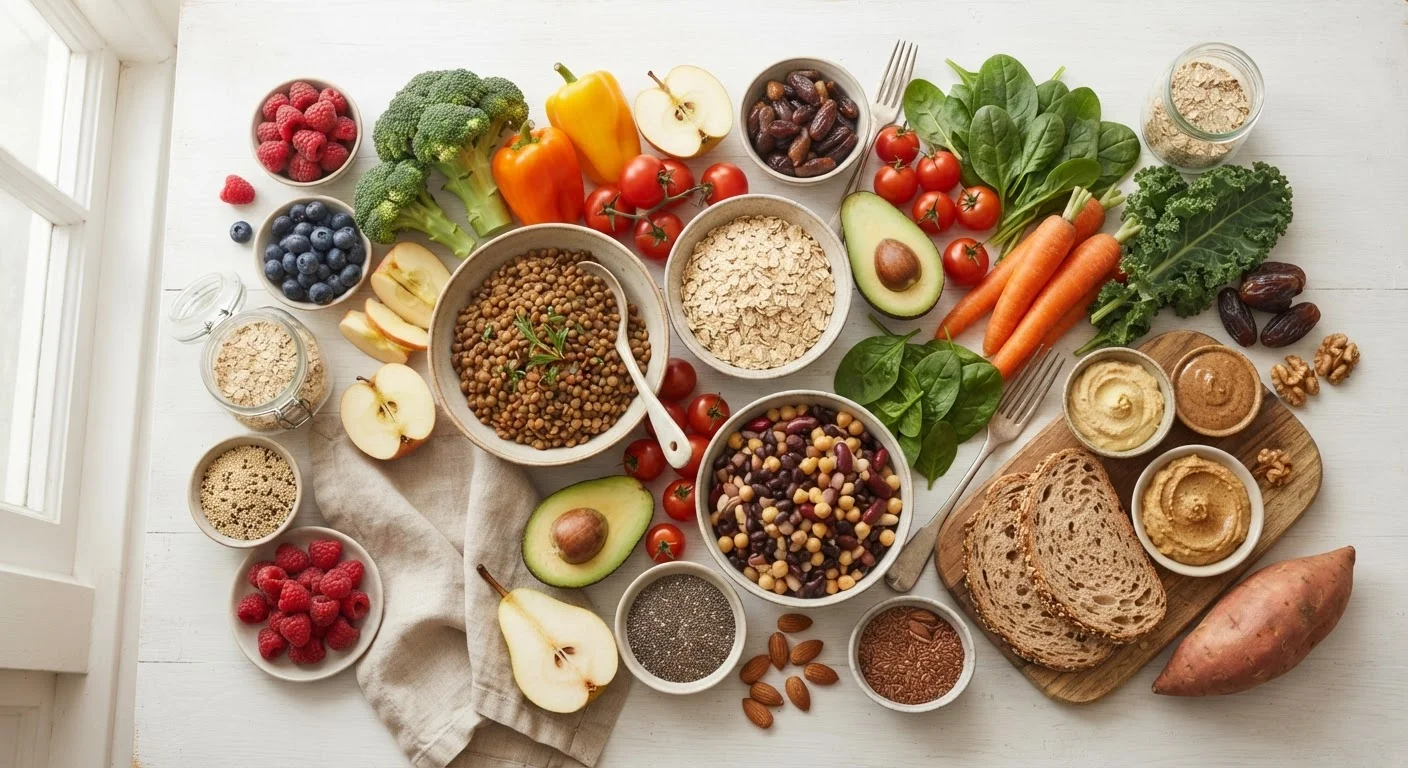
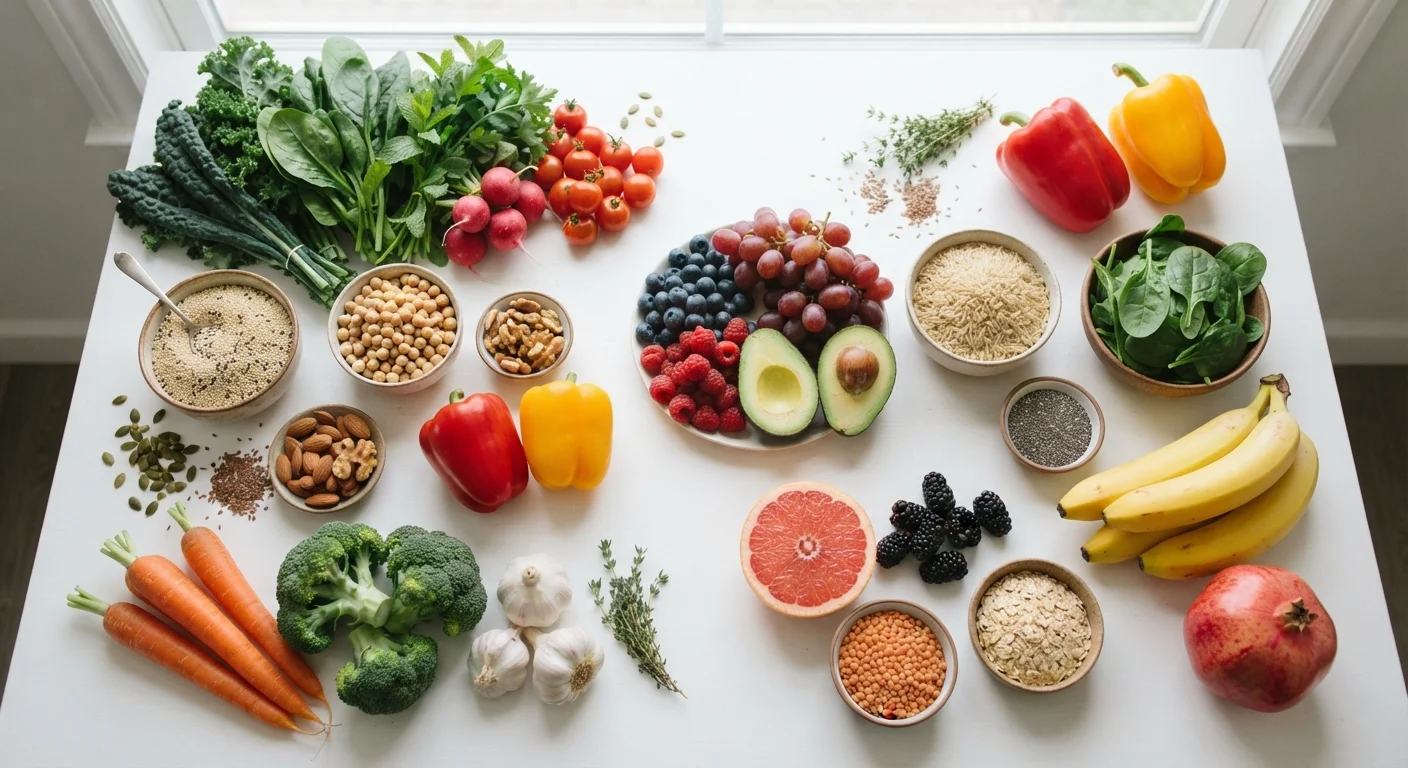
The most consistent finding across microbiome research is that dietary diversity predicts microbial diversity - and higher microbial diversity is generally associated with better health outcomes. People who eat a wider variety of plant foods tend to host a richer ecosystem of gut bacteria.
Two dietary strategies have the strongest evidence base:
- Prebiotic foods: These are fibre-rich foods that selectively feed beneficial gut bacteria. Legumes, oats, garlic, onions, leeks, bananas, and asparagus are well-studied examples. When gut bacteria ferment this fibre, they produce SCFAs - including butyrate - which support the gut lining and reduce inflammation. For more on how fibre works in the body, see our deep dive into dietary fibre.
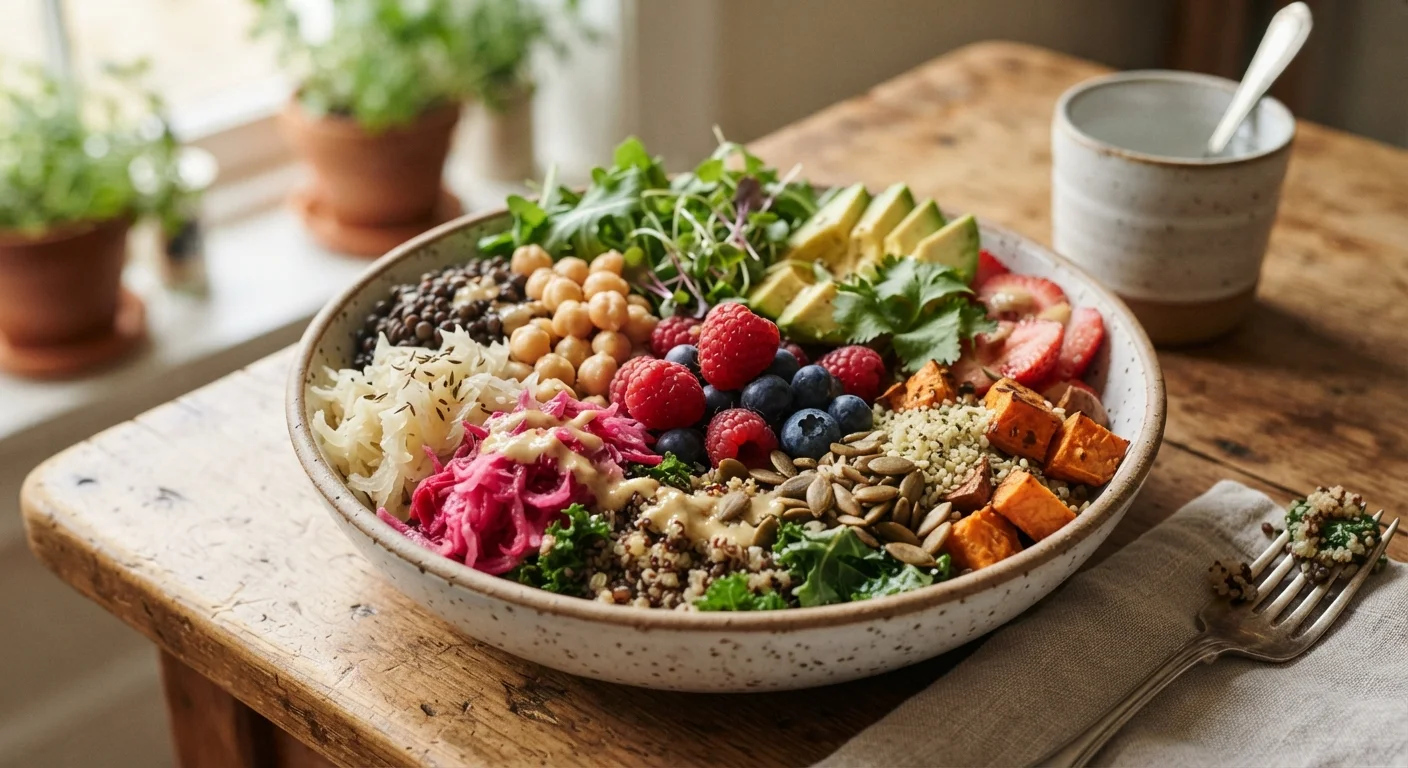
- Fermented foods: A 2021 randomized controlled trial published in Cell found that a diet high in fermented foods increased microbiome diversity and reduced markers of inflammation, outperforming a high-fibre diet in those specific measures over the study period. Yogurt, kefir, kimchi, sauerkraut, and kombucha are commonly cited sources of live cultures.
Ultra-processed foods - characterized by high refined sugar, low fibre, and numerous additives - are associated in observational studies with reduced microbial diversity and higher levels of potentially harmful bacterial species. This aligns with broader evidence on their health impacts, explored in our look at nutrition myths.
38 trillion
Estimated microbial cells in the human gut
Research published in Cell (Sender et al., 2016) revised earlier estimates, suggesting microbial cells in the body are roughly equal in number to human cells - illustrating the scale of the microbiome.
30+
Plant foods per week linked to diversity
Data from the American Gut Project found that people who consumed more than 30 different plant foods weekly had notably more diverse gut microbiomes than those eating 10 or fewer.
~70%
Of immune tissue located in the gut
This widely cited estimate reflects the concentration of gut-associated lymphoid tissue (GALT), underscoring the microbiome's relevance to immune function beyond digestion alone.
Practical Implications Without the Hype
Microbiome science has attracted commercial interest faster than the evidence base has matured. Probiotic supplements, gut-health tests, and specialized foods are widely marketed - often with claims that outpace the research. As a general principle, food-first strategies are better supported than supplementation for healthy adults without a diagnosed condition.
What reasonable, evidence-consistent guidance looks like in practice:
- Eat 30 or more different plant foods per week - a target popularized in part by the American Gut Project, which found it associated with higher microbial diversity.
- Include at least one fermented food daily if tolerated.
- Limit highly processed snacks and beverages not because of a single compound, but because they tend to displace fibre-rich whole foods.
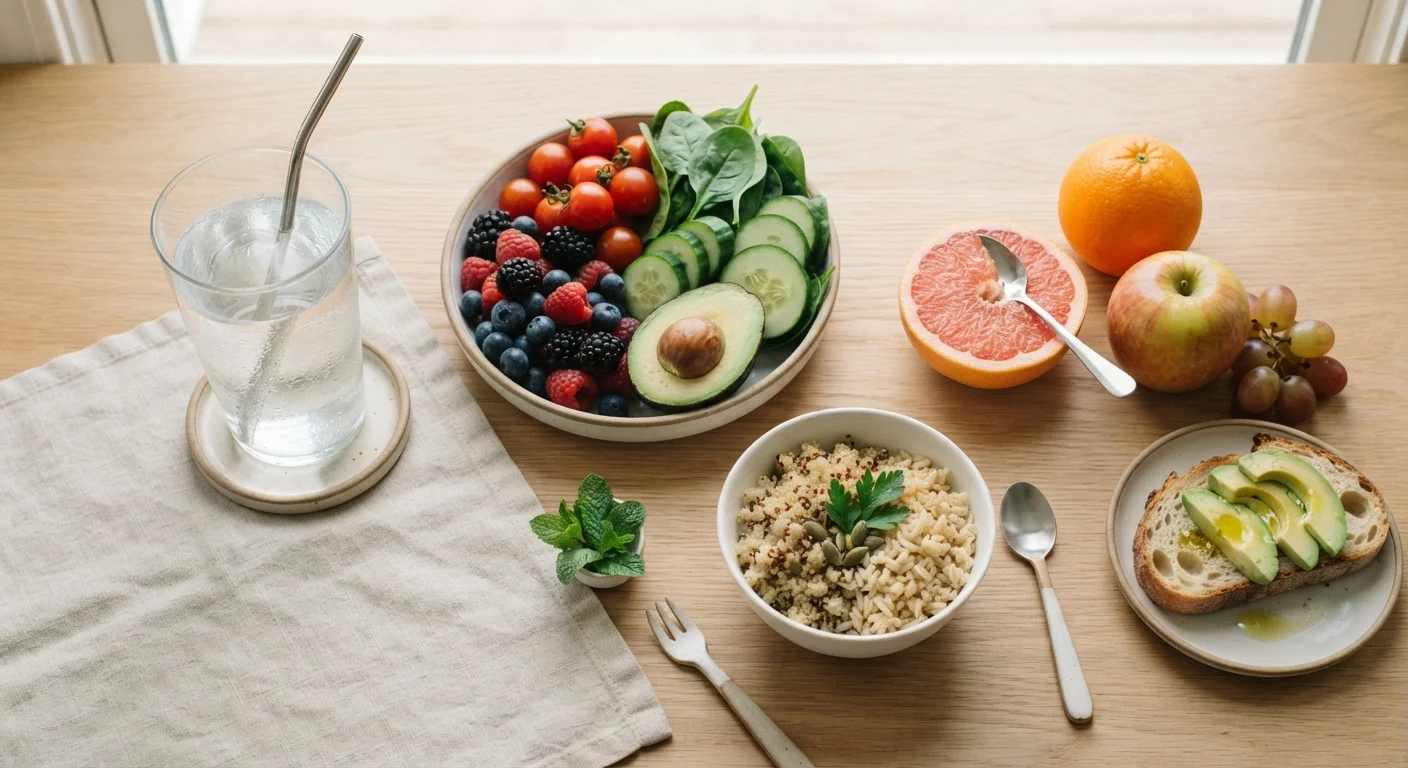
- Stay adequately hydrated - water is integral to how nutrients move through the digestive system, as covered in our guide on hydration and nutrition.
Start With Plant Variety, Not Supplements
Before investing in probiotic capsules or specialized gut-health products, focus on expanding the range of whole plant foods you eat regularly. Research suggests that dietary diversity is one of the most reliable drivers of microbiome diversity - and it doesn't require a supplement aisle. Adding a new vegetable, legume, or whole grain each week is a low-effort, evidence-consistent starting point.
If you're new to thinking systematically about your diet, a foundational nutrition overview can help contextualize where gut health fits into the broader picture. And if you have specific GI symptoms or health concerns, consult a registered dietitian or gastroenterologist - general information cannot substitute for individualized clinical assessment.
This article is for general informational and educational purposes only and does not constitute medical or nutritional advice. Consult a qualified healthcare professional for guidance specific to your health situation.