
Why Nutrition Myths Are So Hard to Shake
Nutrition advice is everywhere - in social feeds, podcasts, and coworker lunch-break opinions - and much of it contradicts itself. That's not accidental. Many myths persist because they contain a grain of truth, get amplified by wellness culture, or tap into genuine anxieties about health and body image. For young professionals already navigating an overwhelming information landscape, separating signal from noise takes real effort.
The core problem is that nutrition science is genuinely complex. Single-nutrient studies get reported as sweeping dietary rules. Small pilot studies become viral headlines before replication. And food companies sometimes fund research that flatters their products. Understanding that context helps you evaluate headlines more critically - and explains why some of the myths below have survived decades of contrary evidence.
The myth-fact pairs below draw on established nutritional science. As always, general nutrition information is not a substitute for personalized guidance - a registered dietitian or your healthcare provider is the right resource for decisions specific to your health. See also our primer on macronutrients for a deeper look at what these nutrients actually do in your body.
Myth
Carbs make you fat and should be minimized or eliminated.
Fact
Carbohydrates are a primary fuel source for the brain and body; weight change is driven by overall energy balance, not any single macronutrient.
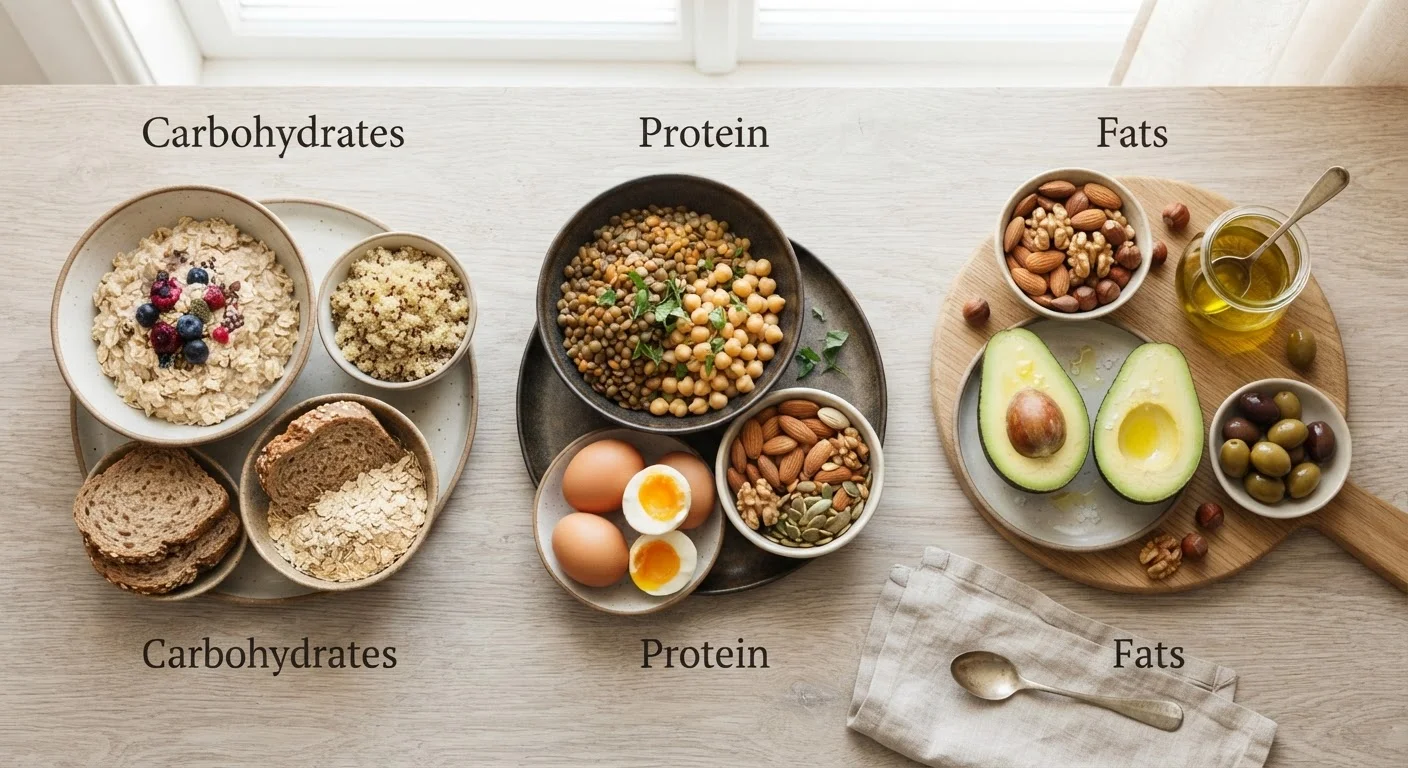
The carbohydrate-as-enemy narrative gained traction with the rise of low-carb diets, but the evidence doesn't support blanket carb restriction as superior for long-term weight management. Research consistently shows that total calorie intake relative to expenditure - not carbohydrate content alone - is the primary driver of body weight change. Refined carbohydrates and added sugars are worth moderating, but whole-food carb sources like oats, legumes, and sweet potatoes deliver fiber, B vitamins, and sustained energy that most people benefit from. For more on what carbohydrates actually do physiologically, see our macronutrient explainer.
Myth
Detox diets and cleanses remove toxins and reset your liver.
Fact
The liver, kidneys, and lymphatic system continuously filter and process waste - no commercial cleanse meaningfully enhances that process.
The word 'detox' has been borrowed from clinical medicine (where it refers to supervised treatment of substance dependency) and repurposed to sell juices, teas, and supplement kits. No credible peer-reviewed evidence supports the idea that short-term commercial cleanses remove specific toxins or measurably improve liver function in healthy adults. The liver processes waste products around the clock. What genuinely supports hepatic health is consistent: limiting excess alcohol, maintaining a healthy weight, eating adequate fiber and vegetables, and staying hydrated. See our article on hydration for more on that last point.
Myth
Eating dietary fat makes you gain body fat.
Fact
Dietary fat is an essential macronutrient; fat gain occurs when total caloric intake consistently exceeds expenditure, regardless of which macronutrient provides the surplus.
This myth emerged partly from low-fat dietary guidelines popular in the 1980s and 1990s. In practice, fat is calorie-dense (9 kcal per gram versus 4 kcal per gram for carbohydrates and protein), so portion awareness matters - but fat itself is not metabolically fattening in a unique way. Unsaturated fats found in nuts, seeds, avocado, and oily fish are associated with cardiovascular and cognitive benefits in large observational studies. Removing fat from foods often means adding sugar and refined starch to compensate for flavor and texture, which can make low-fat processed products nutritionally inferior to their full-fat counterparts.
Myth
Skipping meals is an effective strategy for losing weight.
Fact
Meal skipping can disrupt hunger hormones, often leads to compensatory overeating later, and is not reliably associated with sustained fat loss for most people.
Deliberately skipping meals - particularly breakfast - is commonly promoted as a simple calorie-cutting strategy. The reality is more nuanced. Research on hormones like ghrelin (which signals hunger) suggests that prolonged gaps between eating episodes can intensify appetite cues, making overconsumption at the next meal more likely. Structured forms of intermittent eating, such as time-restricted eating protocols, have shown modest metabolic effects in some studies, but results vary considerably by individual. Skipping meals is not the same as a deliberate, structured eating window - the former tends to be reactive and irregular, which research does not consistently support. Anyone considering significant changes to meal timing, particularly if managing a health condition, should consult a healthcare professional first.
Myth
Organic food is significantly more nutritious than conventionally grown food.
Fact
Current evidence does not consistently show meaningful nutritional differences between organic and conventional produce for most nutrients.
Systematic reviews, including a widely cited analysis published in the Annals of Internal Medicine, have found that organic and conventional foods are broadly comparable in their vitamin, mineral, and macronutrient profiles. Organic farming does use fewer synthetic pesticides, which is a legitimate reason some people choose it - but the nutritional equivalence finding holds up across most studied crops. Prioritizing a higher volume and variety of vegetables and fruit, regardless of how they are grown, is likely to have a greater health impact than choosing organic over conventional. Let food group diversity, not certification labels, guide most of your decisions.
Myth
You need supplements to fill nutritional gaps in a modern diet.
Fact
Most healthy adults eating a varied, whole-food diet do not require broad supplementation; specific deficiencies identified by testing may warrant targeted supplementation under professional guidance.
The supplement industry is built on the premise that modern diets are universally deficient. While some populations do have documented needs - vitamin D in regions with limited sun exposure, B12 for those following strict plant-based diets, folate during pregnancy - blanket supplementation for otherwise healthy adults rarely produces measurable health benefits and, for certain nutrients in high doses, can cause harm. Our related article on nutritional supplements covers where the evidence is strong, where it is weak, and when food genuinely comes first. Supplementation decisions should be guided by blood work and clinical assessment, not marketing.
Putting the Evidence Into Practice
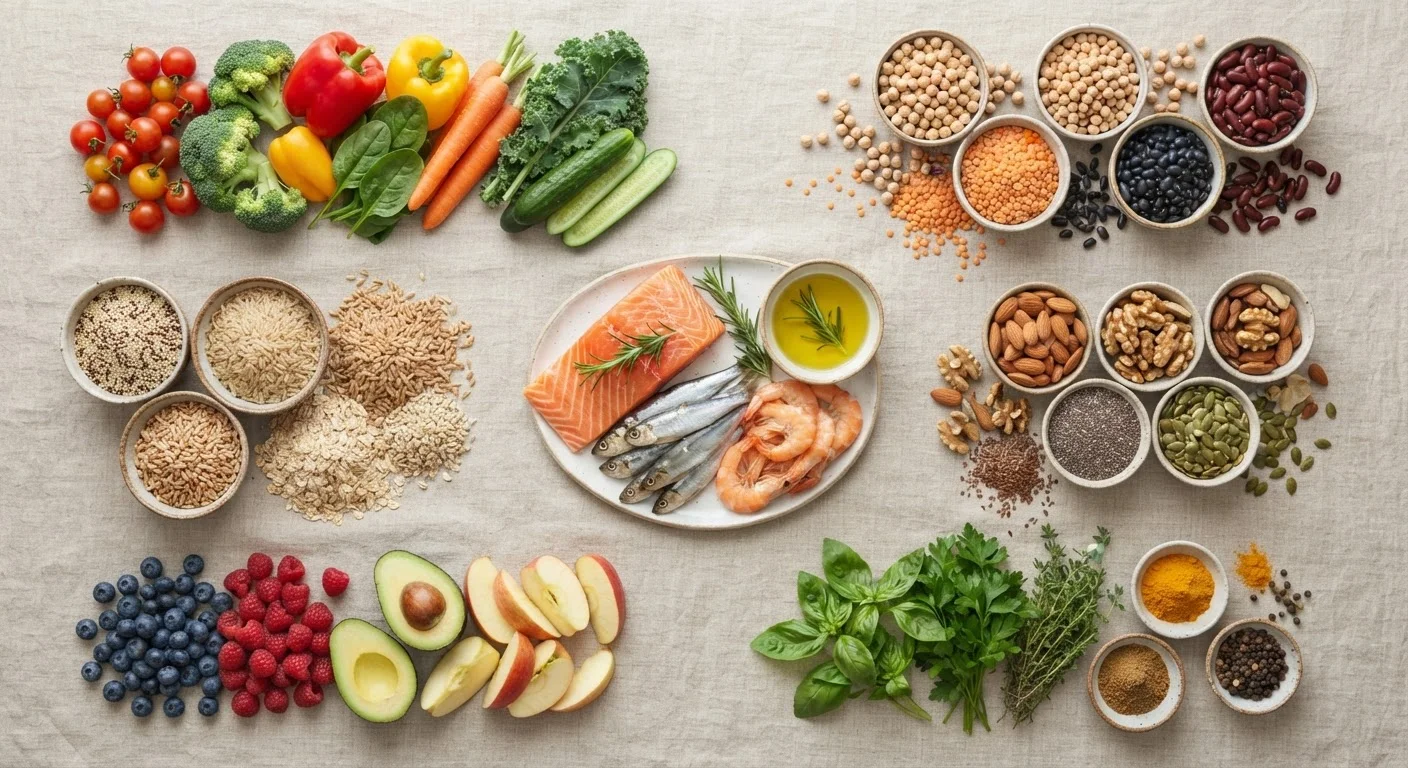
Correcting myths isn't just an academic exercise - it changes how you build a plate. When you stop fearing carbohydrates, you can lean into the fiber and micronutrients that whole grains, legumes, and fruit deliver. When you stop expecting a detox tea to repair weekend excess, you trust your body's built-in systems instead. That shift - from restriction to adequacy - is where sustainable nutrition habits actually live.
~80%
Adults who have tried a fad diet at least once
Surveys conducted by nutrition research organizations consistently find a large majority of adults report experimenting with restrictive or trendy diets, most of which lack long-term evidence.
Less than 5%
Long-term success rate of highly restrictive diets
Research published in journals including the American Psychological Association's review of diet studies finds that most people who lose weight through severe restriction regain it within five years.
~95%
Of US adults fall short of recommended fiber intake
USDA dietary guidelines data indicate that dietary fiber - found in whole grains, legumes, and produce - remains one of the most widespread nutritional gaps in the American diet.
The patterns that decades of population research consistently support share a few common features: variety across food groups, an emphasis on minimally processed whole foods, adequate protein spread across meals, and sufficient dietary fiber. Our overview of popular diet patterns unpacks how Mediterranean, plant-based, and low-carb approaches each stack up against that framework. Similarly, the gut-diet connection explains why fiber diversity specifically matters for long-term health.
Extreme Elimination Diets Carry Real Risks
Cutting out entire food groups without clinical guidance can lead to genuine nutrient deficiencies over time - particularly in iron, calcium, B vitamins, and essential fatty acids. If you are considering a significant dietary change, especially one that eliminates whole macronutrient categories, consult a registered dietitian before starting. This is especially important if you are pregnant, managing a chronic condition, or in a period of high physical demand.
If you find it hard to distinguish credible nutrition guidance from marketing, you're not alone - and you're not failing. The evidence base keeps evolving, and revisiting your understanding periodically, ideally with a qualified professional, is a reasonable and realistic approach. Good nutrition information should feel like clarity, not pressure.
This article is for general informational and educational purposes only and does not constitute medical or dietary advice. Consult a qualified healthcare professional or registered dietitian for guidance tailored to your individual health needs.