
Why a Simple Framework Beats Complex Rules
Nutrition science can feel like a moving target. Conflicting headlines, viral diet trends, and an overwhelming volume of packaged food claims make it genuinely difficult to know what a 'healthy meal' actually looks like in practice. The result for many people is either decision fatigue or an all-or-nothing mindset - neither of which supports consistent, sustainable eating habits.
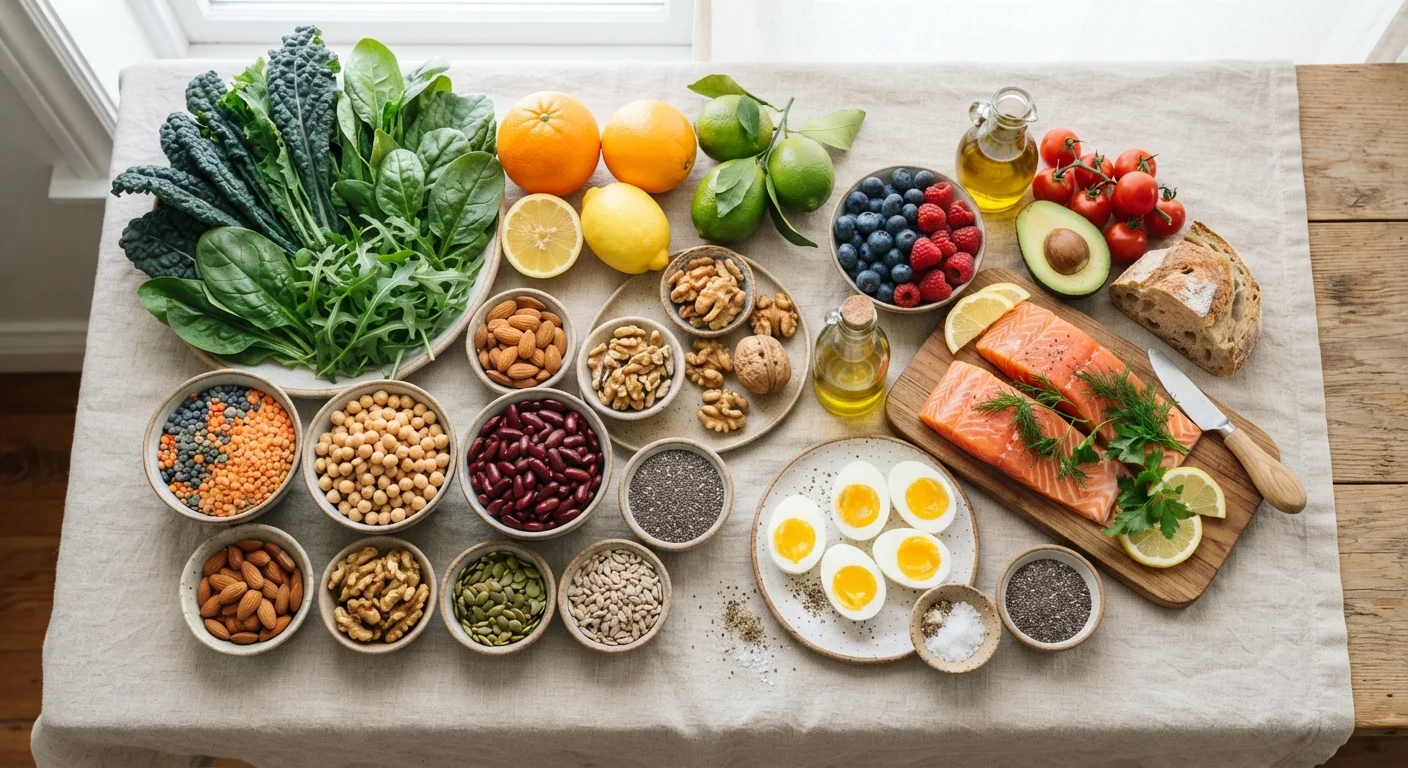
What research consistently supports is simpler than the noise suggests: a diet built predominantly around whole foods, with adequate protein, fiber-rich carbohydrates, healthy fats, and plenty of vegetables, delivers most of the nutritional benefit most people are seeking. If you're new to thinking through these foundations, our nutrition fundamentals guide is a solid starting point.
The plate method - a visual portioning framework endorsed by nutrition researchers and public health bodies - translates these principles into a practical habit that requires no apps, no scales, and no memorized targets. It works because it anchors decisions to proportion rather than precision.
Standard dinner plate (9-10 inches)
Provides a built-in visual boundary for proportioning food groups without measuring tools.
Registered dietitian
Offers personalized guidance for specific health conditions, dietary restrictions, or performance goals.
Nutrition label awareness
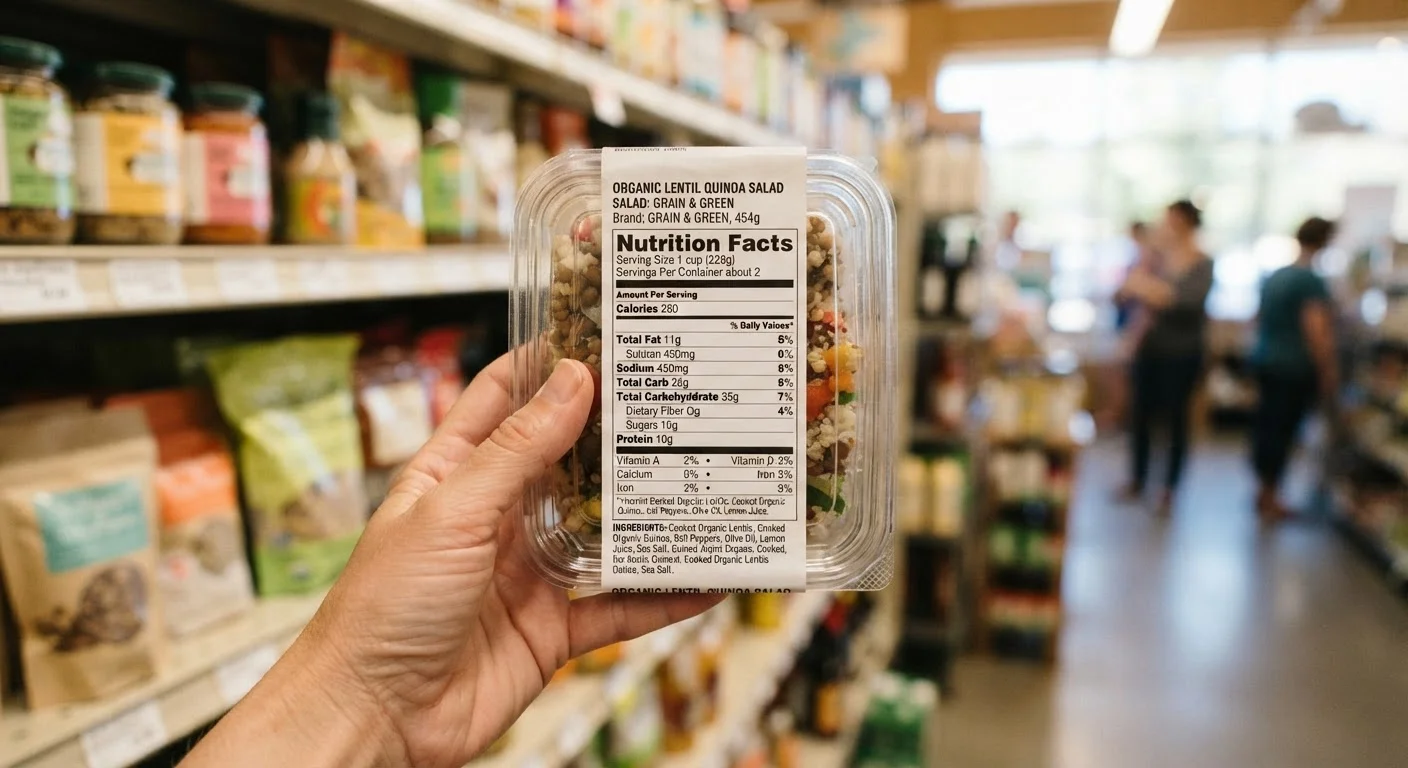
Helps evaluate packaged foods when whole ingredients aren't available; see our <a href="/health-wellness/nutrition-basics/nutrition-label-literacy-reading-packaged-food-information-confidently">nutrition label literacy guide</a>.
How to Build Your Plate
The six steps below walk through the plate method in sequence. Each one is deliberately simple - the value comes from applying them consistently, not from executing them perfectly at every meal.
What you will need
Fill half your plate with vegetables and fruit
Start by dedicating approximately half the surface area of your plate to non-starchy vegetables - leafy greens, broccoli, peppers, zucchini, carrots - with fruit playing a secondary, occasional role. This proportion ensures you're consistently hitting fiber, vitamins, and phytonutrient targets without tracking a single number.
Prioritize variety over any single 'superfood.' Rotating through different vegetables across the week is more nutritionally effective than eating large amounts of one type daily.
Reserve one quarter for quality protein
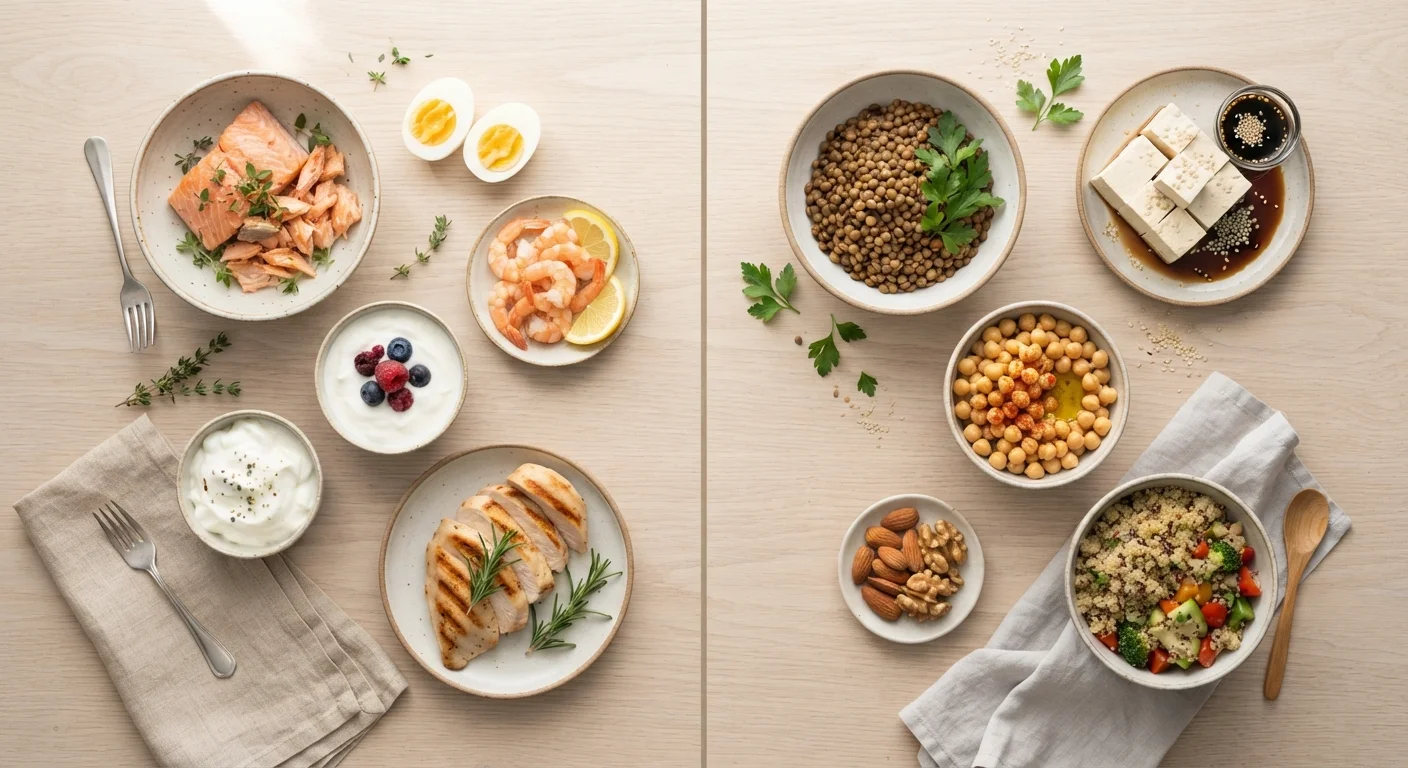
Allocate roughly a quarter of your plate to a protein source. Protein supports muscle maintenance, satiety, and dozens of enzymatic functions. Reliable options include eggs, poultry, fish, legumes, tofu, tempeh, and low-fat dairy.
Both animal and plant proteins are legitimate choices; what matters most is consistency and variety. Our protein sources comparison breaks down amino acid profiles and digestibility if you want to go deeper.
Fill the remaining quarter with complex carbohydrates
The final quarter belongs to energy-sustaining carbohydrates: whole grains like brown rice, quinoa, farro, or oats; starchy vegetables like sweet potato or corn; or legumes if they're not already filling your protein quarter.
Whole, minimally processed carbohydrates digest more gradually than their refined counterparts, providing steadier energy and additional fiber. This is one area where small, consistent swaps - whole grain bread instead of white, brown rice instead of white - pay meaningful long-term dividends.
Add a small portion of healthy fat
Fat is not an afterthought - it enables absorption of fat-soluble vitamins (A, D, E, and K) and contributes to satiety and cellular function. A moderate portion of unsaturated fat sources rounds out the plate: a drizzle of olive oil, half an avocado, a small handful of nuts or seeds, or oily fish like salmon.
You don't need a separate portion designated for fat if it's already built into your protein or cooking method. The goal is presence, not excess.
Hydrate alongside your meal
Water is a nutrient. Pairing meals with water - rather than sugar-sweetened beverages - supports digestion, helps regulate appetite signaling, and avoids displacing nutritional value with empty calories. Plain water, sparkling water, or unsweetened herbal tea all serve this purpose well.
Apply the framework across your week, not just one meal
Individual meals will sometimes be imbalanced - that is normal and not a problem. The plate method works as a weekly average: if lunch is mostly carbohydrates, lean toward more vegetables and protein at dinner. Thinking in weekly patterns rather than meal-by-meal perfection is both more realistic and more sustainable.
For strategies on maintaining this balance when your schedule is demanding, our guide to eating well on a busy schedule offers practical frameworks that complement this approach.
Color Is a Practical Shortcut
Different pigments in vegetables and fruits often signal different micronutrients. Aiming for two or three distinct colors on the vegetable half of your plate is a reliable, low-effort proxy for nutritional variety - no memorization required. For a deeper look at which vitamins and minerals come from which foods, see our micronutrients reference guide.
Avoid Treating This Framework as a Rigid Rule
The plate method is a flexible guide, not a prescription. Applying it too rigidly - skipping meals that don't fit the template or feeling guilt over imbalanced eating occasions - can undermine a healthy relationship with food. Aim for balance across your week, not perfection at every sitting.
This Is General Information, Not Medical Advice
The guidance in this article is intended for general education and applies to healthy adults. It is not a substitute for personalized advice from a registered dietitian or qualified healthcare provider. If you have a medical condition, food allergy, or specific health goal, consult a professional before making significant changes to your diet.
Troubleshooting Common Gaps
Even with a solid framework, a few nutritional gaps are common among young professionals eating mostly whole foods. Vitamin D, iron (particularly for those who menstruate or avoid red meat), omega-3 fatty acids, and calcium are among the most frequently underconsumed nutrients in this population. These gaps are worth being aware of, though addressing them through diet or supplementation is best done with guidance from a healthcare provider.
If you regularly rely on packaged or convenience foods to fill parts of your plate, building label literacy is genuinely useful - our nutrition label literacy guide explains how to read serving sizes, daily values, and ingredient lists in a way that supports - rather than complicates - this framework.
For those curious about whether supplements might fill persistent gaps, our overview of what the evidence supports on nutritional supplements offers a grounded, evidence-based perspective.
This article is for general informational and educational purposes only. It is not medical or dietary advice. Consult a qualified healthcare professional or registered dietitian for guidance tailored to your individual health needs.