The Amino Acid Argument: Complete vs. Incomplete
Protein quality is fundamentally about amino acids - the building blocks your body uses for muscle repair, enzyme production, and immune function. Of the 20 amino acids, nine are essential, meaning the body cannot synthesize them and must obtain them through diet.
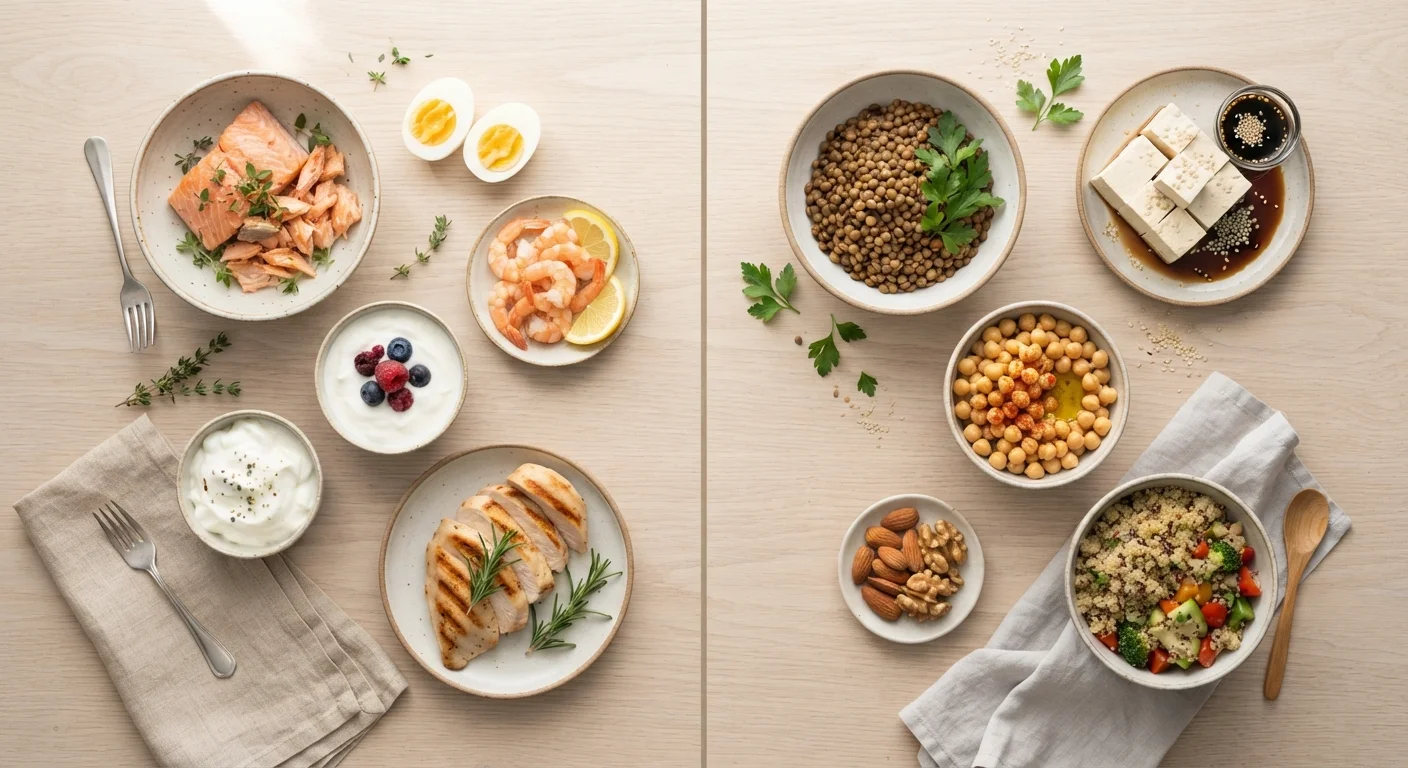
Animal proteins - eggs, meat, poultry, fish, and dairy - are considered complete proteins because they contain all nine essential amino acids in proportions that closely match human requirements. This is why they've long served as the reference standard in protein research.
Most plant proteins are described as incomplete because they're typically low in one or more essential amino acids. Legumes tend to be low in methionine; grains are often low in lysine. However, this doesn't mean plant proteins are inadequate - it means variety matters. Eating a range of plant protein sources across the day (not necessarily at the same meal) effectively covers all essential amino acids. Soy and quinoa are notable exceptions, generally considered complete plant proteins.
| Criterion | Animal Protein | Plant Protein |
|---|---|---|
| Amino acid completeness | Complete (all 9 essential AAs) | Often incomplete; soy/quinoa are exceptions |
| Digestibility (DIAAS) | Generally high (0.9-1.1+) | Moderate to lower; improves with preparation |
| Fiber content | None | High (legumes, whole grains) |
| Saturated fat | Variable; higher in red/processed meat | Generally low |
| Vitamin B12 | Naturally present | Absent; supplementation typically needed |
| Heme iron & zinc | Highly bioavailable | Present but lower bioavailability |
| Phytonutrients | Minimal | Rich (antioxidants, polyphenols) |
| Environmental footprint | Generally higher | Generally lower |
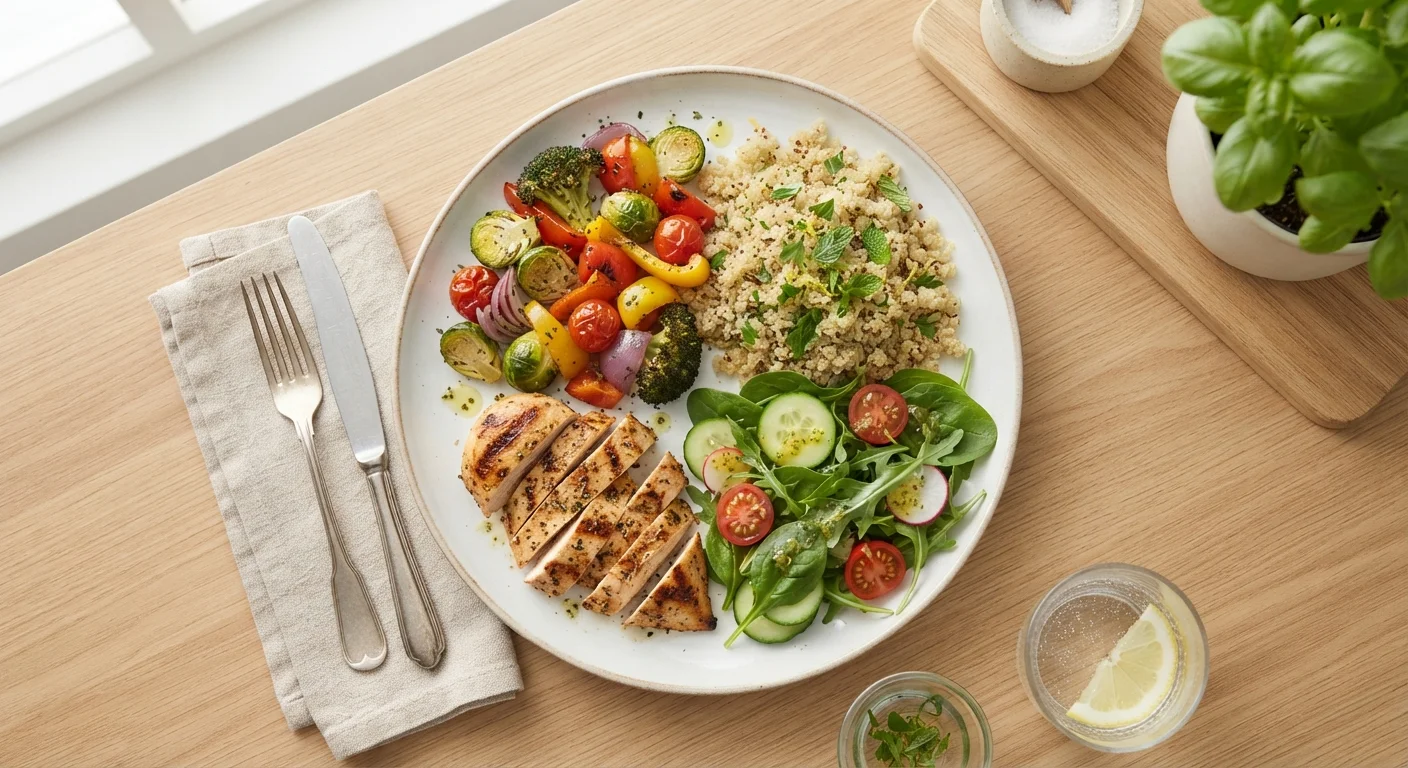
For a broader look at how protein fits into overall meal structure, see our guide on building a nutritionally balanced plate.
Digestibility and Bioavailability: What Your Body Actually Absorbs
Protein content on a nutrition label only tells part of the story. What matters equally is how efficiently your body digests and uses that protein - a concept measured by the DIAAS, the current gold standard endorsed by the Food and Agriculture Organization (FAO).
~0.74
DIAAS score for cooked black beans
The FAO uses DIAAS to measure how well a food's amino acids are absorbed and used - scores above 1.0 indicate an excellent source.
~1.13
DIAAS score for whole eggs
Whole eggs consistently rank among the highest-scoring protein foods in digestibility research, making them a useful benchmark for comparison.
~0.91
DIAAS score for soy protein isolate
Soy stands out among plant proteins for its relatively high digestibility, approaching scores typical of many animal-sourced foods.
Animal proteins typically score higher on DIAAS. Whole eggs, for instance, score near 1.0 - indicating excellent amino acid digestibility. Many plant proteins score lower, partly because of antinutrients like phytates and tannins, which can bind minerals and reduce protein absorption. Cooking, soaking, and fermenting plant foods can meaningfully reduce these compounds.
That said, practical daily protein targets are achievable through plant sources - it may simply require eating larger portions or a wider variety. If you're relying heavily on plant proteins and considering supplements to bridge gaps, our overview of what the evidence supports on nutritional supplements is worth reviewing.
Antinutrients in Context
Antinutrients like phytates and oxalates in plant foods are frequently cited as a reason to limit plant protein. In practice, the effect is modest for most people eating varied, balanced diets. Traditional food preparation methods - soaking dried beans, fermenting grains, cooking vegetables - substantially reduce antinutrient levels. For most healthy adults, they're a consideration to be aware of, not a reason to avoid plant proteins.
Beyond Protein: What Else Comes With Each Source
Protein doesn't arrive in isolation - it comes packaged with other nutrients that shape its overall dietary value.
Animal proteins provide highly bioavailable heme iron, vitamin B12 (found almost exclusively in animal foods), zinc, and omega-3 fatty acids (particularly from fatty fish). These nutrients require deliberate attention on a fully plant-based diet. However, many animal protein sources - especially processed and red meats - also carry significant saturated fat and sodium.
Plant proteins come bundled with dietary fiber, antioxidants, and phytonutrients largely absent from animal foods. Legumes in particular are among the most fiber-dense foods available. Research consistently links higher legume and whole-grain consumption with favorable outcomes for gut health and metabolic markers, though correlation and causation are worth distinguishing.
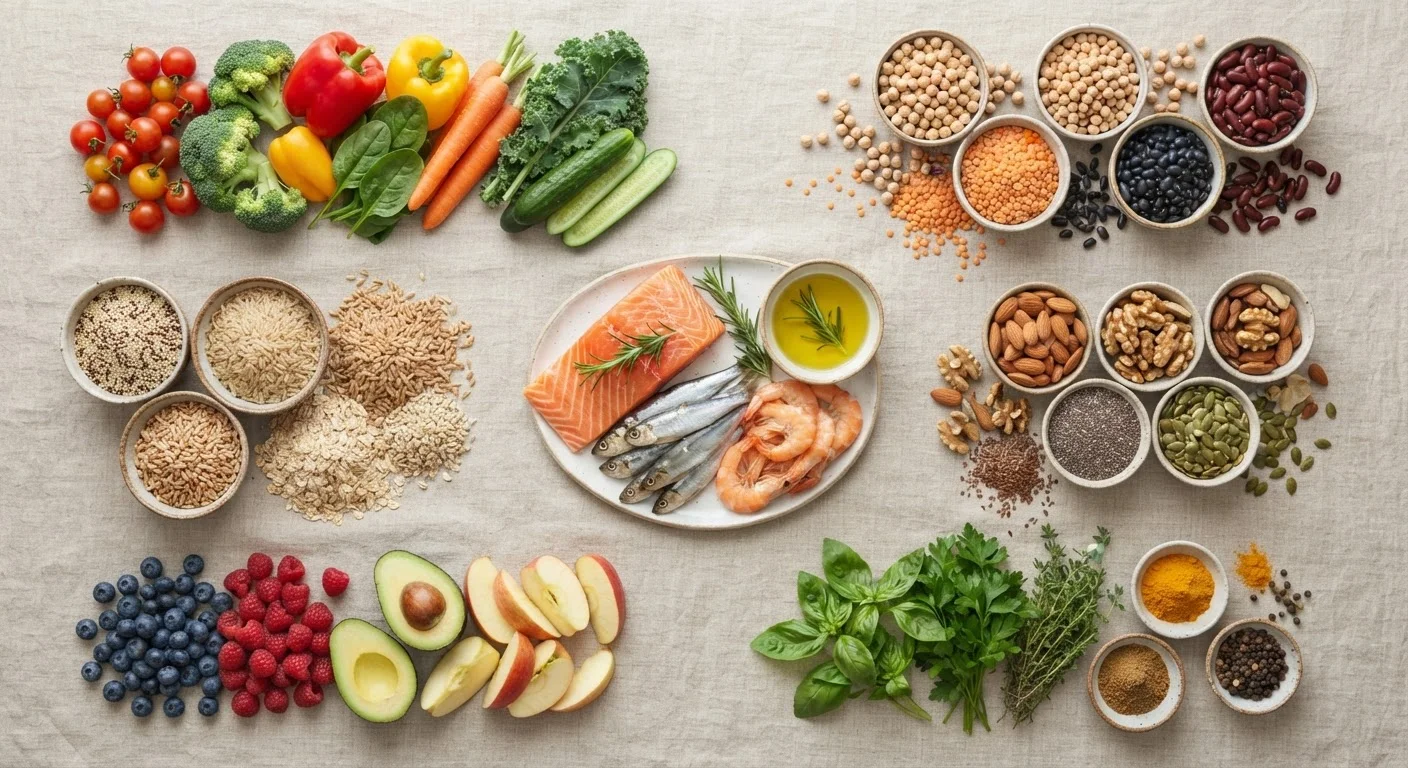
Understanding these trade-offs is central to comparing popular diet patterns like Mediterranean or plant-based eating. Neither protein category is nutritionally complete on its own - the goal is a diet where both contribute strategically.
This article is for general informational purposes and does not constitute medical or dietary advice. Consult a registered dietitian or qualified healthcare professional for guidance tailored to your individual health needs.