Why Fatigue Rivals Alcohol as a Road Hazard
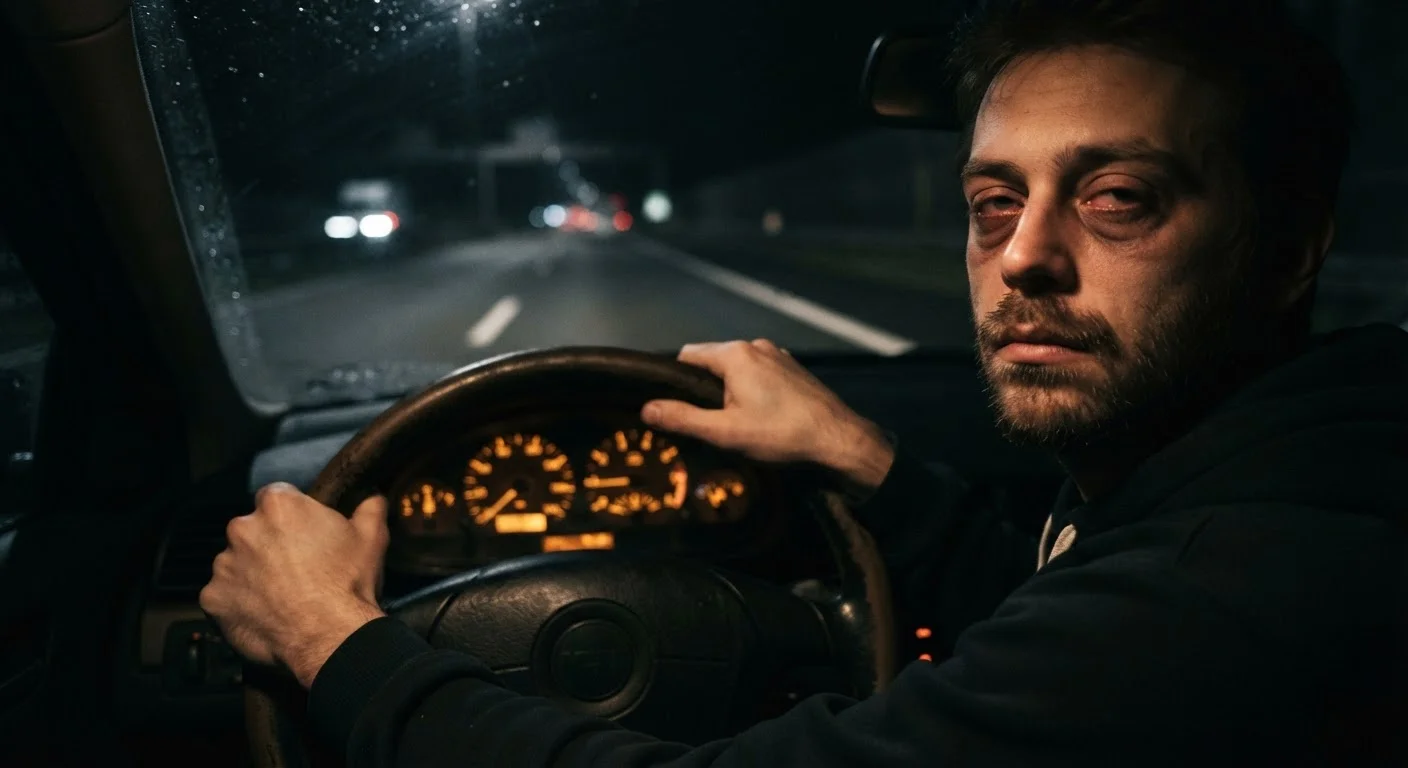
Most drivers would never consider getting behind the wheel after several drinks, yet many routinely drive on dangerously little sleep without a second thought. The physiological reality is that the two impairments are more similar than most people realise. Sleep deprivation degrades the same cognitive systems that alcohol disrupts: sustained attention, reaction speed, hazard perception, and decision-making quality.
The National Highway Traffic Safety Administration (NHTSA) has consistently identified drowsy driving as a significant contributing factor in tens of thousands of crashes each year. Because fatigue-related crashes are notoriously underreported - there is no roadside test for sleepiness - the true scale is likely larger than official statistics reflect.
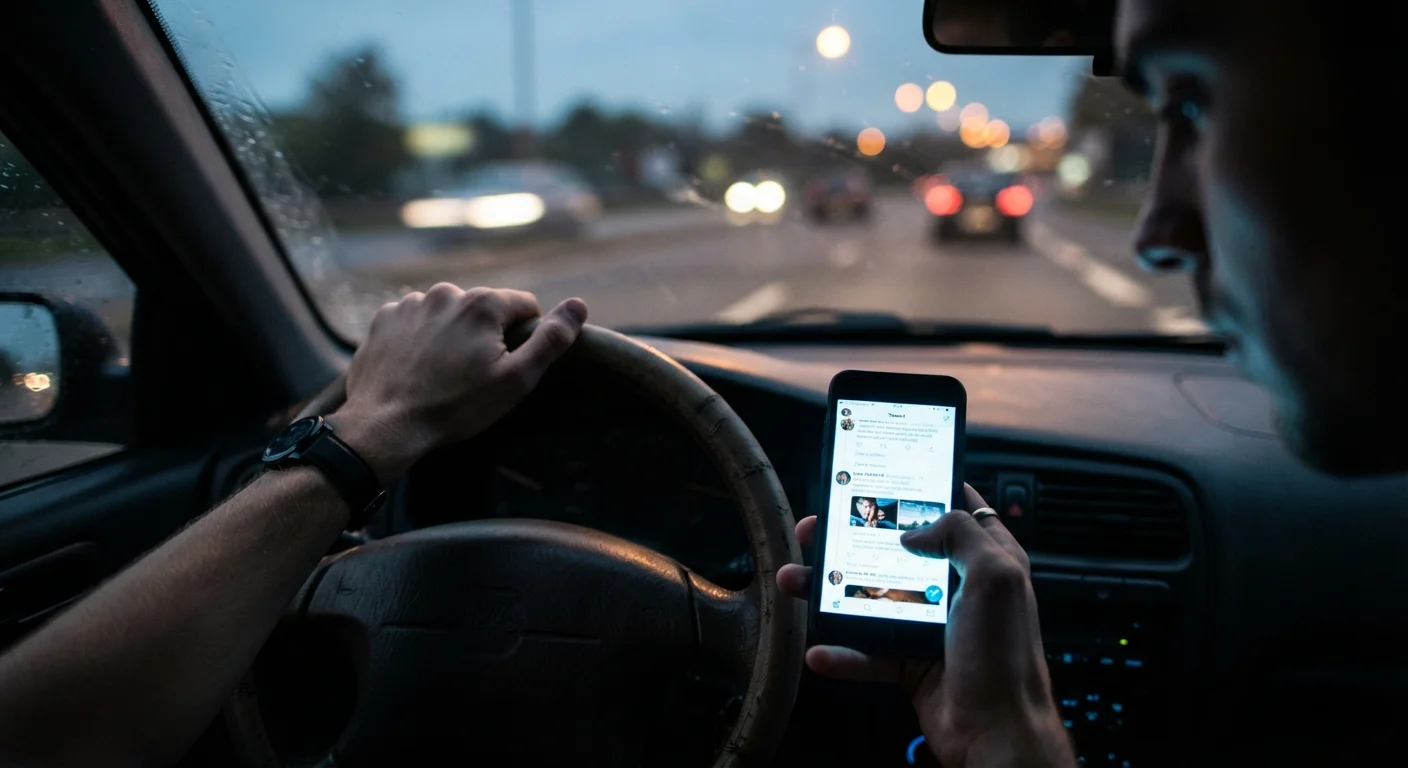
What makes fatigue uniquely dangerous is a phenomenon called microsleep: brief, involuntary lapses in consciousness that a driver cannot feel or prevent once severe fatigue sets in. At 65 mph, a 2-second microsleep means a vehicle travels approximately 190 feet with no one in control. Phone distraction is rightly criticised for removing a driver's attention, but microsleep removes consciousness entirely.
~100,000
Police-reported drowsy driving crashes annually (U.S.)
According to NHTSA estimates; actual figures are considered significantly higher due to underreporting.
0.10% BAC
Equivalent impairment after 24 hours without sleep
AAA Foundation for Traffic Safety research comparing sleep deprivation to alcohol-induced impairment levels.
190 ft
Distance traveled during a 2-second microsleep at 65 mph
Calculated from standard physics; illustrates why even brief unconscious lapses are life-threatening.
3-7×
Increased crash risk driving on 4 hours of sleep vs. 7+
AAA Foundation research found crash risk rises sharply as sleep falls below recommended thresholds.
The Biology Behind the Danger
Human alertness is governed by two overlapping systems: circadian rhythm - the internal 24-hour clock - and sleep pressure, which builds the longer you stay awake. These systems create predictable windows of vulnerability that many drivers are unaware of.
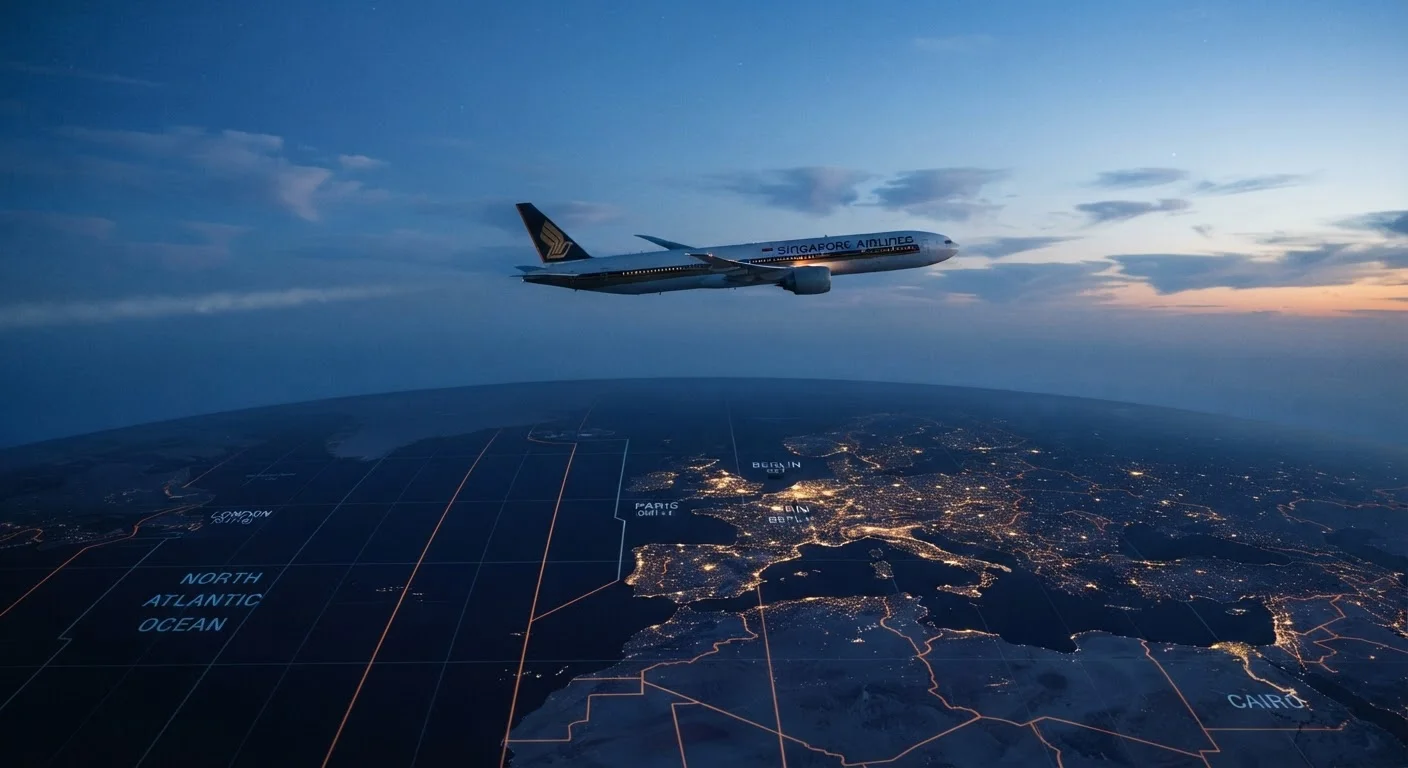
Crash data consistently identifies two high-risk periods: 2-5 a.m., when circadian drive toward sleep is strongest, and 1-3 p.m., which corresponds to a natural post-lunch dip in alertness. Long-haul drivers, shift workers, and anyone who has crossed time zones are particularly exposed. If you're planning travel that spans multiple time zones, understanding circadian disruption is worth your attention - see our guide on time zone changes and travel fatigue for a deeper look.
Sleep debt - the cumulative shortfall from consistently getting less sleep than your body requires - compounds the problem. A person who has slept 6 hours a night for a week may be as impaired as someone who has been awake for 24 consecutive hours, even if they feel relatively functional. This "subjective alertness" gap is one of the most dangerous aspects of fatigue: impaired drivers consistently overestimate their own ability to drive safely.
“You cannot tell when you are about to fall asleep. You simply fall asleep. That's what makes drowsy driving so insidious - by the time you need to act, you've already lost the ability to do so.”
— David Yang, Executive Director, AAA Foundation for Traffic Safety
Warning Signs Drivers Dismiss Too Easily
Recognising fatigue before it becomes incapacitating is a critical safety skill. The following symptoms indicate that stopping is necessary, not optional:
- Difficulty maintaining lane position - minor drifts that require correction
- Heavy eyelids or frequent blinking - the brain fighting to stay conscious
- Yawning repeatedly - a physiological signal of oxygen need and sleep pressure
- Missing exits, signs, or turns - attention is failing
- No memory of the last few miles - a near-certain indicator that microsleeps have already occurred
- Difficulty holding a thought - cognitive processing is compromised
Many drivers interpret these signals as temporary and push through, believing they can "tough it out." This is a false judgment: the same impairment that creates the feeling of being able to cope also prevents accurate self-assessment.
The "nap-plus-caffeine" method explained
Before taking a rest stop nap, drink a coffee or caffeinated beverage immediately beforehand. Set an alarm for 20 minutes. Because caffeine takes 20-30 minutes to absorb, you wake feeling less groggy and with the added benefit of the stimulant already entering your system. This is a documented short-term strategy - it does not replace the sleep your body still needs.
Practical Steps to Manage Fatigue Risk
The only genuine remedy for driver fatigue is sleep. That said, there are evidence-supported strategies for reducing risk on longer journeys:
- Prioritise sleep before long drives. Aim for a full night's rest - 7-9 hours - before any extended trip. This is especially important for journeys starting early in the morning or planned to run past midnight. Our pre-journey preparation checklist covers fatigue planning as part of a full pre-trip routine.
- Schedule stops every 2 hours. Regular breaks allow alertness levels to partially recover. Use them to move around - physical activity temporarily increases arousal.
- Use the "nap-plus-caffeine" strategy. A short nap of 20 minutes, followed immediately by a caffeinated drink, can produce a temporary alertness boost once you wake. The caffeine takes roughly 20-30 minutes to absorb, aligning with your wake time. This is a short-term measure, not a long-term solution.
- Avoid driving during high-risk windows. If possible, plan routes to avoid the 2-5 a.m. and early-afternoon periods, particularly on unfamiliar roads.
- Share driving responsibilities. On long trips, rotating drivers reduces cumulative fatigue for any individual behind the wheel.
Fatigue and reduced visibility compound each other significantly. If you regularly drive after dark, understanding how darkness affects perception is equally important - the guide on night driving safety addresses this in detail.