
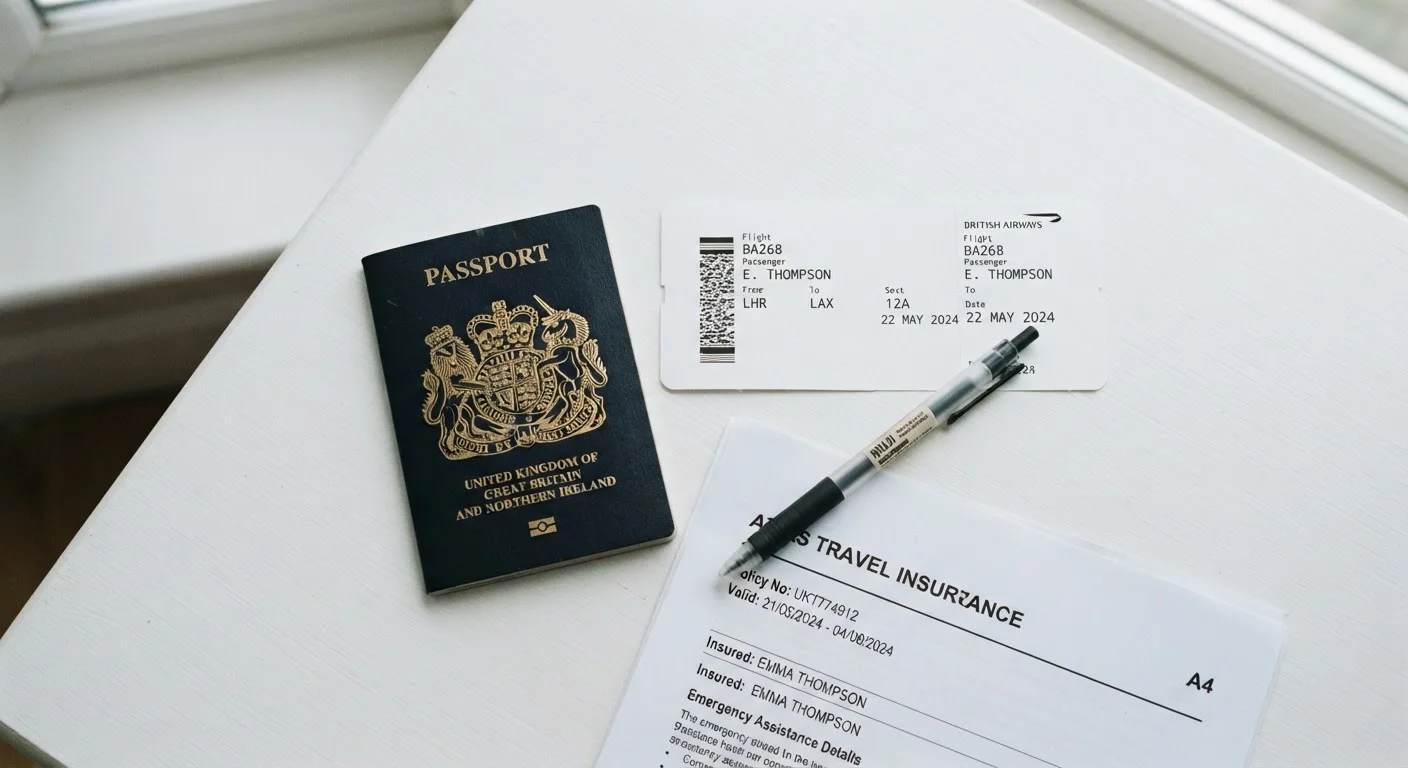
What Travel Insurance Actually Covers
Travel insurance is not a single thing - it's a bundle of distinct coverage types, each with its own rules. Understanding the categories prevents the most common mistake: assuming you're protected when you're not.
Trip Cancellation and Interruption
This reimburses prepaid, non-refundable trip costs if you have to cancel or cut short your trip for a covered reason - typically illness, injury, death of a family member, jury duty, or severe weather. The critical phrase is "covered reason." Changing your mind, work conflicts, or a vague fear of travel are not covered under standard policies.
Emergency Medical and Evacuation
For international travel, this is often the most important coverage. Most U.S. health insurance plans provide little to no coverage abroad, and a medical evacuation flight can cost tens of thousands of dollars out of pocket. Emergency medical coverage pays for hospital treatment; evacuation coverage pays to transport you to an adequate medical facility or back home. These are sometimes sold separately - verify both are included. See the pre-trip financial checklist for how to factor this into your overall trip budget.
Baggage and Personal Belongings
Baggage coverage reimburses you if your luggage is lost, stolen, or damaged. Limits are often low - typically $500 to $2,500 - and high-value electronics or jewelry may require separate scheduled item coverage. Baggage delay coverage is a separate sub-benefit that pays for essential purchases if your bags arrive late.
Travel Delay
If your trip is delayed beyond a minimum threshold (often 6-12 hours) due to a covered reason like weather or mechanical issues, this benefit covers meals, accommodation, and incidentals up to a daily limit. Keep all receipts - reimbursement requires documentation.
$50,000+
Typical cost of emergency medical evacuation abroad
The U.S. State Department notes that medical evacuation costs from remote international locations can exceed $50,000 and are rarely covered by standard U.S. health insurance plans.
14-21 days
Window to unlock pre-existing condition waivers
Most travel insurance providers require purchase within 14 to 21 days of the initial trip deposit to qualify for pre-existing condition coverage and Cancel for Any Reason upgrades.
40-60%
Typical premium increase for CFAR upgrade
Cancel for Any Reason riders generally add 40-60% to the base policy premium while reimbursing only 50-75% of non-refundable trip costs.
Common Exclusions That Catch Travelers Off Guard
The exclusions section of a policy is where most unpleasant surprises live. These are the most frequently misunderstood limitations:
- Pre-existing conditions: Any medical condition you knew about before purchasing the policy is typically excluded unless you buy a pre-existing condition waiver within the required timeframe after your first trip deposit.
- Extreme sports and adventure activities: Skiing off-piste, scuba diving beyond recreational limits, bungee jumping, and similar activities are often excluded from standard medical coverage. Riders or specialized adventure policies exist but must be added explicitly.
- Foreseeable events: If a named hurricane or civil unrest was already widely reported before you purchased your policy, any resulting claim may be denied. This is why buying early matters.
- Pandemics and government travel advisories: Coverage for pandemic-related cancellations varies significantly by policy and continues to evolve. Read the specific policy language carefully - do not assume pandemic disruptions are covered.
- Alcohol and drug-related incidents: Medical claims arising from intoxication are nearly universally excluded.
Read the Exclusions Before the Benefits
When comparing policies, go to the exclusions section first. Knowing what a policy won't cover is more decision-relevant than the headline benefits list. Pay particular attention to the definitions of 'pre-existing condition' and 'covered reason' - these terms are defined specifically by each insurer and can differ significantly from plain-language assumptions.
Understanding exclusions is directly connected to understanding total trip cost. The hidden costs most travelers overlook include the financial exposure that insurance is meant to address - worth reviewing together.
Key Questions to Ask Before You Buy
Choosing a policy without a framework leads to either over-insuring (paying for coverage you don't need) or under-insuring (discovering gaps after a claim). Work through these questions before committing:
- What are my actual non-refundable costs? Only insure what you'd genuinely lose. If your airline ticket is fully refundable, it doesn't need to be in the insured trip cost.
- Does my existing health insurance cover me abroad? Most U.S. employer plans and Medicare do not. If yours doesn't, prioritize robust emergency medical and evacuation coverage.
- Do I have any pre-existing conditions? If yes, buying within the waiver eligibility window is essential.
- Am I doing anything that counts as an adventure activity? If so, confirm coverage explicitly - don't assume.
- Does my credit card already provide any travel protections? Cross-reference with the mechanics of travel credit card benefits to avoid double-paying for overlapping coverage.
- Do I want Cancel for Any Reason? CFAR typically adds 40-60% to the premium and reimburses only 50-75% of costs, but it's the only way to get out of a trip for a non-covered reason. Decide whether that flexibility is worth the cost.
“The time to understand your travel insurance is before you need it, not while you're standing in a foreign emergency room trying to figure out what's covered.”
— Travel Smarter Editorial Team, Travel research and planning editors
Solo travelers in particular should prioritize medical and evacuation coverage - a single emergency abroad with no travel companion to navigate logistics compounds both the risk and the cost. See the real costs and trade-offs of solo travel for a fuller picture of the financial considerations.
This article is for general informational purposes only and does not constitute insurance, financial, or legal advice. Policy terms, coverage, and exclusions vary significantly between insurers. Always read the full policy documents and consult a licensed insurance professional for guidance specific to your situation. Verify all travel entry requirements, health advisories, and safety information through official government sources before traveling.