What 'Wet Season' Actually Means in Practice
The phrase 'wet season' conjures images of relentless grey skies and flooded streets. The reality in most of Southeast Asia is more nuanced - and more manageable. Monsoon rain in this region tends to arrive in concentrated afternoon or evening bursts, often lasting one to three hours, before clearing. Mornings are frequently dry and bright, giving you a full sightseeing window before the clouds build.
The bigger practical concern is the occasional multi-day tropical storm or regional flooding event. These are real risks, particularly in low-lying coastal areas and river deltas. Any wet-season itinerary should build in buffer days and avoid over-scheduling transportation between cities on tight timelines. See how to structure an itinerary with built-in flexibility for a practical framework.
Regional variation matters enormously here. When the southwest monsoon drenches western Thailand and peninsular Malaysia, the Gulf of Thailand coast - including areas around Koh Samui - stays relatively dry. Vietnam's weather splits along geographic lines too: the south is drier during months when the center and north are wetter. Planning around these microclimates is the single most effective tool a wet-season traveller has.
Verify Entry and Safety Conditions Before You Travel
Weather patterns, visa requirements, and travel advisories change. Always check your government's official travel advisory portal and the destination country's immigration authority before finalising plans. Weather data from past years is useful for planning but does not guarantee what conditions will be during your specific travel dates.
The Real Advantages of Travelling Off-Peak
The financial case is straightforward. Hotels, guesthouses, and resorts across the region lower rates substantially during low season to fill rooms. International airfare follows the same logic. The savings on accommodation alone can offset the cost of a longer trip or redirect budget toward experiences that matter more to you.
Accommodation rates drop significantly across the region
Low-season pricing on hotels and guesthouses can fall 30-50% compared to peak months, stretching your overall travel budget considerably.
Far fewer tourists at iconic sites
Temples, national parks, and beaches that overflow with visitors in peak season become genuinely tranquil, changing the quality of the experience entirely.
Landscapes are at their most lush and photogenic
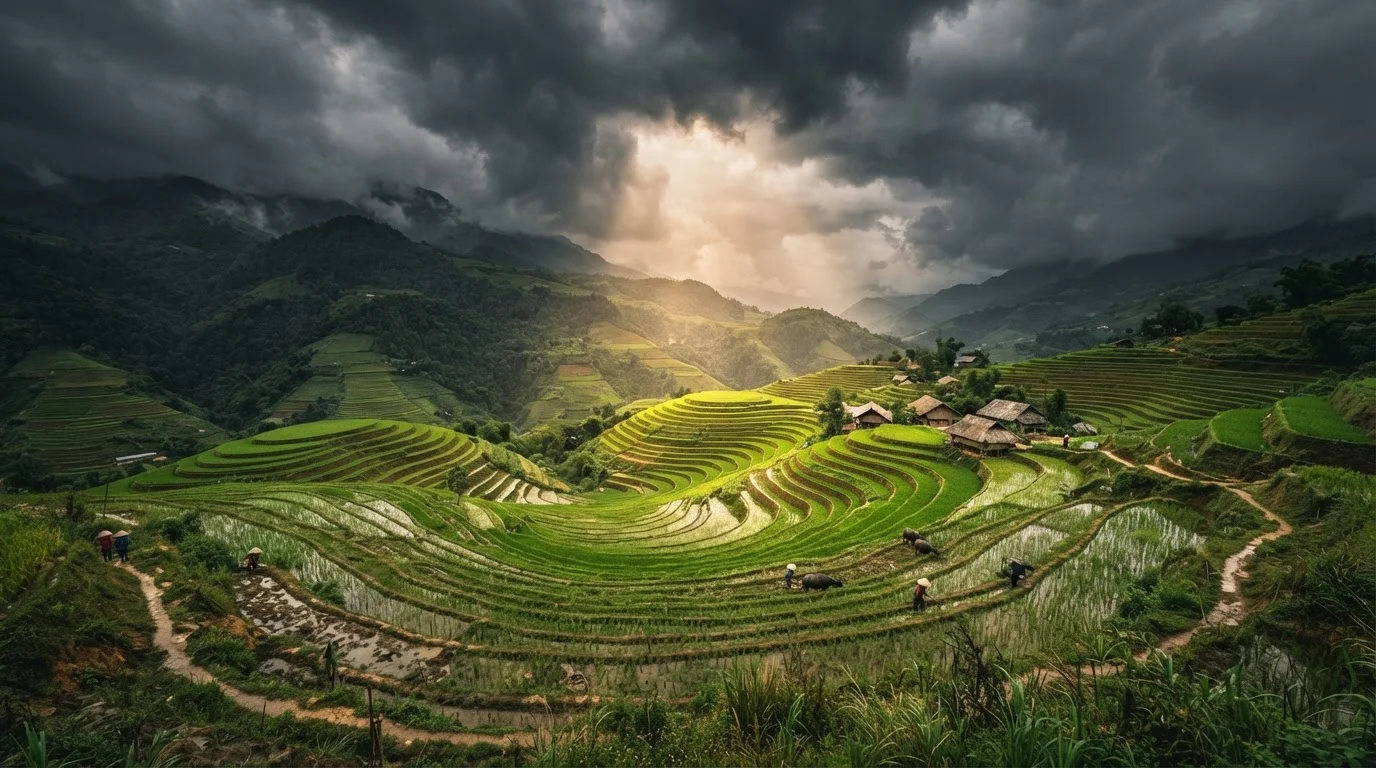
Rice fields, jungle, and waterfall destinations reach peak visual intensity during and just after the monsoon season - a significant draw for travellers who care about scenery.
Lower airfare on international and domestic routes
Airlines reduce fares to stimulate demand during low season, and domestic routes within Southeast Asia often see the steepest proportional drops.
More authentic local interactions
With mass tourism reduced, restaurants and guesthouses cater more to regular visitors and locals, which tends to produce more genuine exchanges and less tourist-industry fatigue.
Beyond price, the crowd reduction changes the character of a trip fundamentally. Angkor Wat at sunrise with a handful of other visitors is a different experience from the same site in December when tour buses queue at the gates. Popular national parks in Thailand, Laos, and Indonesia operate at a fraction of their peak-season capacity. For professionals who travel specifically to decompress, that contrast is not trivial.
Budget travel myths often suggest that going off-peak means sacrificing quality - that's rarely true in this region, where the infrastructure (restaurants, guesthouses, transport) operates year-round.
~40%
Typical hotel rate reduction in low season
Travel industry pricing analyses consistently show significant rate drops across Southeast Asian accommodation during monsoon months compared to peak season.
1-3 hrs
Average daily rainfall duration in monsoon season
Meteorological data from countries like Thailand and Vietnam shows that monsoon rain often concentrates in afternoon or evening bursts rather than lasting all day.
The Honest Disadvantages You Shouldn't Ignore
Romanticism about rain has its limits. There are genuine downsides to wet-season travel that deserve direct acknowledgment rather than spin.
Flash flooding can disrupt transport and plans
Heavy rain events, particularly in low-lying areas, can close roads and delay or cancel ferries and internal flights, making tight itineraries risky.
High humidity makes heat more physically demanding
The combination of warmth and moisture during monsoon season can be exhausting, particularly for travellers not acclimatized to tropical conditions.
Some activities and operators shut down seasonally
Diving, snorkeling, and certain boat-based tours may be cancelled due to poor visibility or rough seas, limiting options at beach destinations.
Tropical storms carry real risk in coastal areas
While severe storms are not constant, the typhoon and cyclone season overlaps with wet season in parts of the region, requiring close monitoring of weather advisories.
Beyond what's listed above, some outdoor activities become limited or unavailable during peak monsoon months. Visibility for diving and snorkelling drops sharply around certain islands. Some trekking routes become impassable. A few smaller, remote guesthouses close entirely for low season. Research destination-specific closures before committing your itinerary.
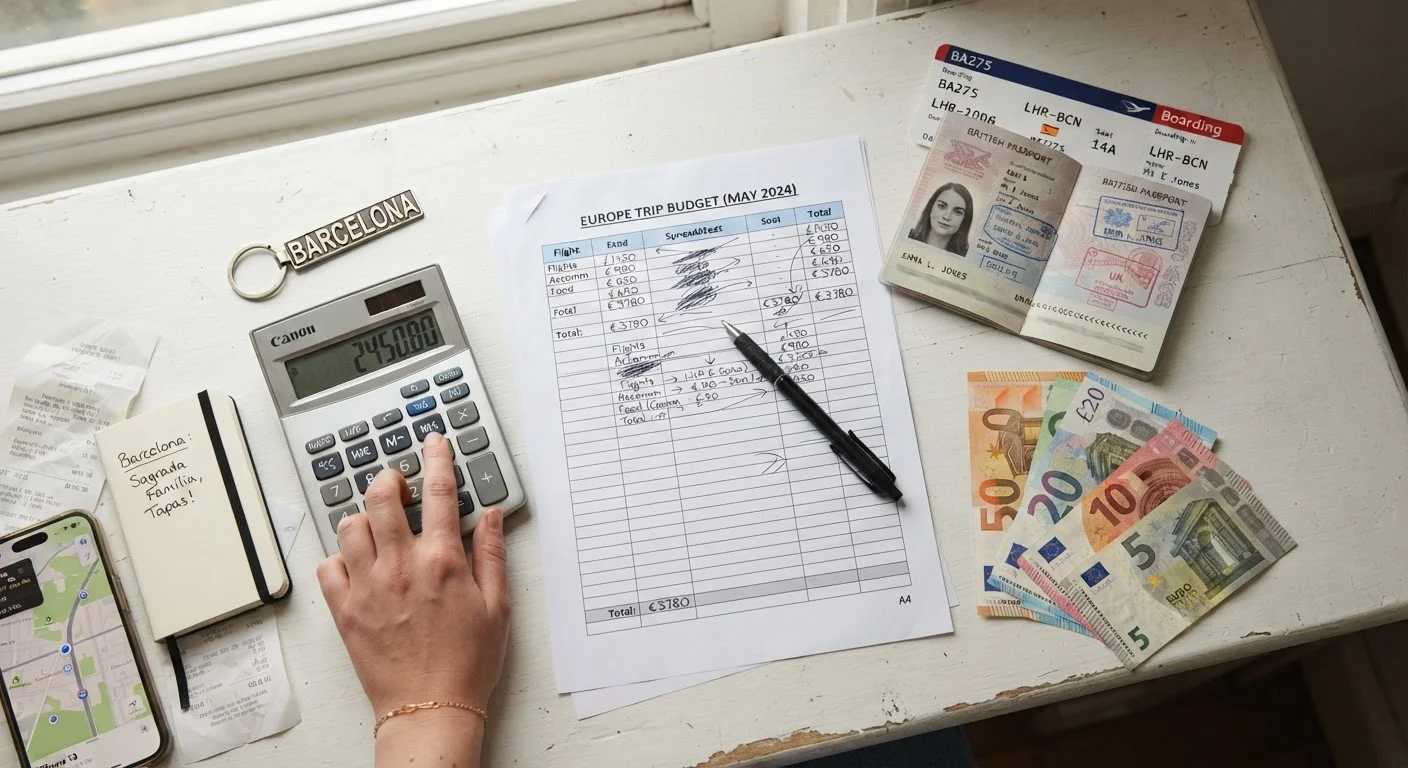
Travel insurance is non-negotiable in this context. A disrupted ferry, a cancelled internal flight, or a storm-delayed departure can cascade into missed connections and unplanned hotel nights. Make sure your policy covers weather-related disruptions. Travel budget planning should factor in a contingency buffer - particularly relevant when weather adds uncertainty to your schedule.
How to Plan a Wet-Season Trip That Actually Works
The single most important move is choosing the right destination for the right month. Don't simply pick a country - drill down to which coast or region is in its drier phase during your travel window. Resources like historical rainfall data from national meteorological services give a clearer picture than generalized 'best time to visit' guides written for peak-season bookings.
Book refundable or flexible-rate accommodation where possible. Many properties offer the same low-season pricing on refundable rates, especially if you book in advance. For transportation between cities, build a buffer day at each leg rather than scheduling early morning departures immediately after an overnight bus or boat.
Pack light, quick-dry fabrics, a compact rain jacket (not an umbrella - wind makes them useless), and waterproof bags for electronics. Embrace a morning-heavy itinerary and treat afternoon rain as a built-in rest period or opportunity to explore markets, food stalls, and covered cultural sites.
Done right, wet-season travel in Southeast Asia isn't a fallback option. It's a deliberate choice that delivers a quieter, more affordable, and often more visually dramatic version of some of the world's most compelling destinations. For a complete planning framework, see the anatomy of a well-planned trip.