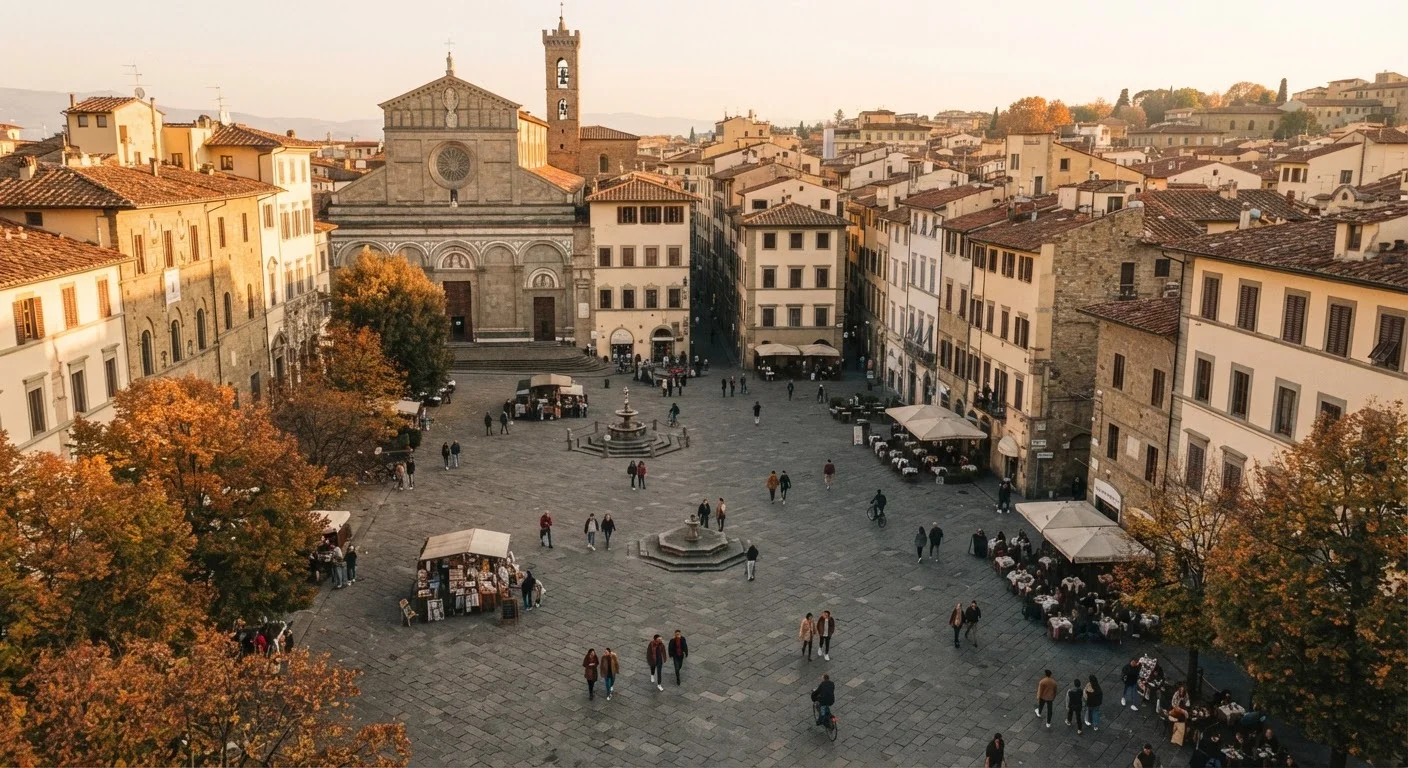

What Off-Season Travel Actually Means
Off-season - sometimes called low season - refers to the period when a destination sees its lowest visitor numbers. The causes vary: extreme weather, school-year calendars, local holidays, or simply the pull of a more famous travel window elsewhere. Understanding what drives the dip at your specific destination matters more than any general rule.
For example, Southeast Asia's low season aligns with monsoon months, while Iceland's quietest period is the dark, cold winter - conditions that suit some travelers just fine. Shoulder season and low season shift by region, so a blanket strategy rarely applies. Before framing your dates around cost savings alone, map the actual climate and operational calendar of the specific place you're visiting.
Significantly lower accommodation and flight costs
Hotels and airlines routinely reduce rates during low-demand periods. For popular destinations, the difference between peak and low season pricing can be substantial, though the exact gap depends on the destination and how far in advance you book.
Fewer crowds at major attractions
Iconic sites, museums, and natural landmarks are far more enjoyable with room to move. Off-season visits let you engage with a place rather than just navigate through it.
More authentic local interaction
When tourist volume drops, locals have more bandwidth and interest in genuine exchanges. Restaurants, guides, and hosts tend to give more attention when they're not overwhelmed by peak-season demand.
Some destinations are best in their 'low' season
Iceland in winter offers northern lights that are invisible in summer. Tuscany in autumn has harvest-season food and color without the summer heat. Low season at one destination can be peak experience at another.
Greater accommodation flexibility and negotiability
Properties that are fully booked during peak periods often have availability and room to negotiate on multi-night stays, upgrades, or inclusions during slower months.
The Real Advantages of Traveling Off-Peak
Lower prices get the headline, but they aren't the only reason experienced travelers deliberately choose off-peak windows. The experiential benefits can be just as significant - sometimes more so.
Crowds at major sites like Rome's Colosseum or Thailand's Phi Phi Islands can make high-season visits feel more like crowd management than travel. Off-season strips that away. You get museums with room to breathe, restaurants that want your business, and locals who aren't exhausted by tourist volume. That shift in dynamic changes what a trip actually feels like.
30-50%
Typical accommodation rate reduction off-peak
Industry data consistently shows accommodation costs drop significantly during low season at many popular destinations, though ranges vary widely by location and property type.
2-3x
Higher visitor volume at peak vs. off-season
Visitor arrival data from tourism boards at heavily trafficked destinations often shows two to three times the arrivals during peak months compared to the lowest-traffic period of the year.
On the cost side, the savings can be substantial across flights, accommodation, and activities - though the exact figures depend heavily on the destination and your flexibility. Hidden trip costs like airport transfers and entry fees often stay flat regardless of season, so your overall savings percentage may be lower than advertised rates suggest.
The Trade-Offs You Need to Factor In
This is where most off-season articles go quiet. The downsides are real, and ignoring them leads to the kind of frustrated traveler who booked a beach trip during rainy season because flights were cheap.
Weather conditions may be genuinely disruptive
Low season often corresponds directly to a destination's most difficult weather. Monsoon rains, extreme heat, or harsh winters aren't just inconvenient - they can cancel activities, close transport routes, and limit what you can realistically do.
Seasonal closures limit your options
Tourism-dependent businesses - restaurants, tour operators, boat services, ski lifts - frequently close entirely during low season. In some small towns or island destinations, the majority of options may be unavailable.
Reduced transport frequency and reliability
Flight routes, ferries, and local bus services often run on reduced schedules off-peak. Missed connections carry higher risk when the next available service might be a day away.
Some experiences are simply unavailable
Specific hikes, wildlife encounters, festivals, and seasonal activities operate within fixed windows. Booking outside those windows means those experiences don't exist for your trip, regardless of price.
Safety considerations in remote destinations
Off-season can mean reduced emergency services, fewer fellow travelers to assist in difficulty, and infrastructure that's less well-maintained. Remote hiking or water activities carry higher risk when staffing and services are minimal.
Service reductions are particularly easy to underestimate. Popular trekking routes may close for safety or maintenance. Ferry services between islands often run reduced schedules or stop entirely. Restaurants and shops in tourism-dependent towns sometimes close for the season. If you're traveling for a specific experience - a particular hike, a coastal boat trip, a local festival - verify that it actually operates during your dates. Last-minute discovery of closures costs more than planning ahead.
How to Assess Whether Off-Season Makes Sense for Your Trip
The decision comes down to three honest questions: What are you going for? What are you willing to tolerate? And how flexible is your schedule if conditions shift?
Shoulder Season: The Practical Middle Ground
Shoulder season - typically the four to six weeks on either side of peak - often delivers the most practical balance for time-constrained travelers. Prices are meaningfully lower than peak, most services and attractions remain open, and weather is often still favorable. It doesn't offer the deepest discounts, but it avoids the hard operational trade-offs of true low season. The shoulder window varies considerably by destination, so verify the local calendar rather than assuming a universal timing applies.
If your trip centers on specific outdoor activities or events, research the operational window for those first - then work backward to dates. If you're flexible about what you do and mainly want immersive cultural access at lower cost, off-season becomes much more viable. Shoulder season - the transition windows on either side of peak - often hits the practical sweet spot: crowds are down, prices are reduced, and most services still operate. Budget carefully regardless of timing; budget line items like visa fees and resort charges don't discount seasonally.