What Actually Defines Each Category
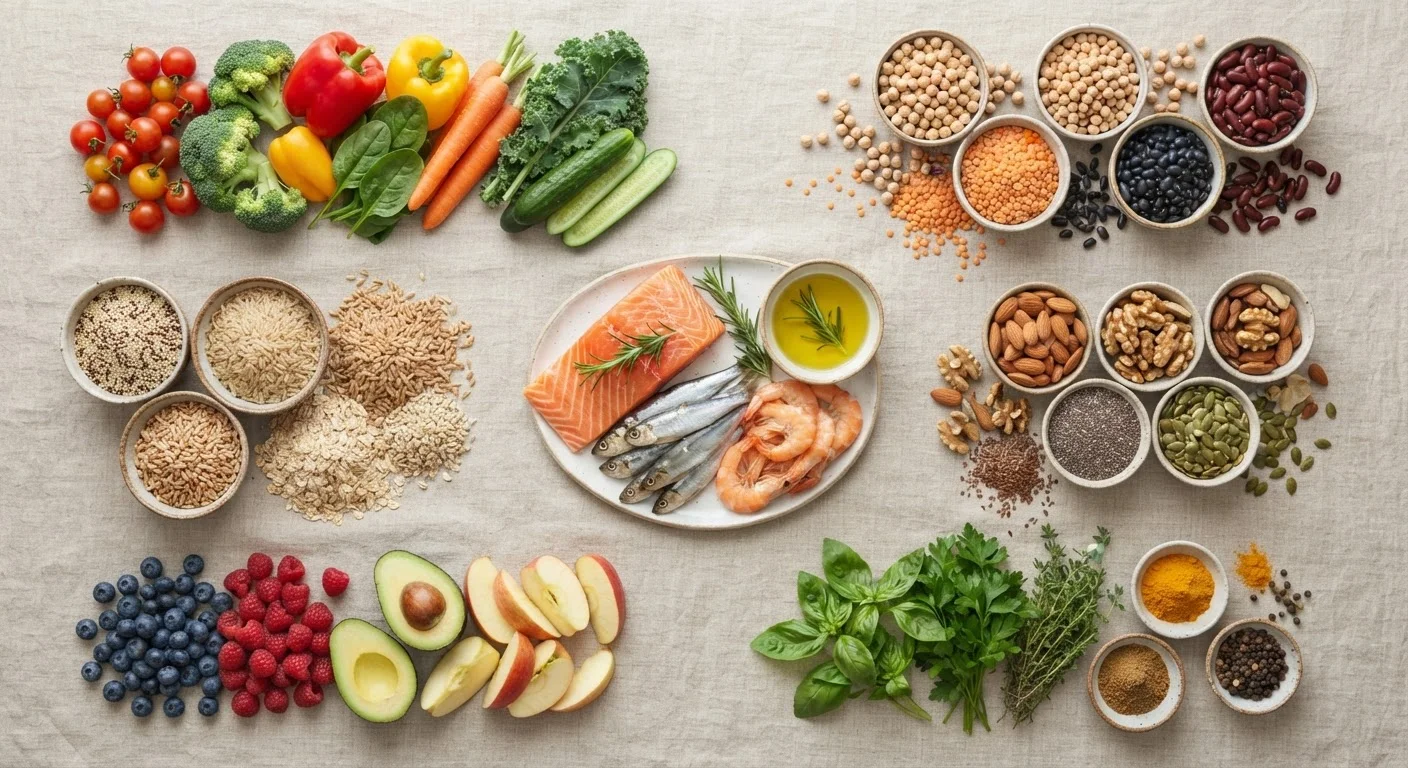
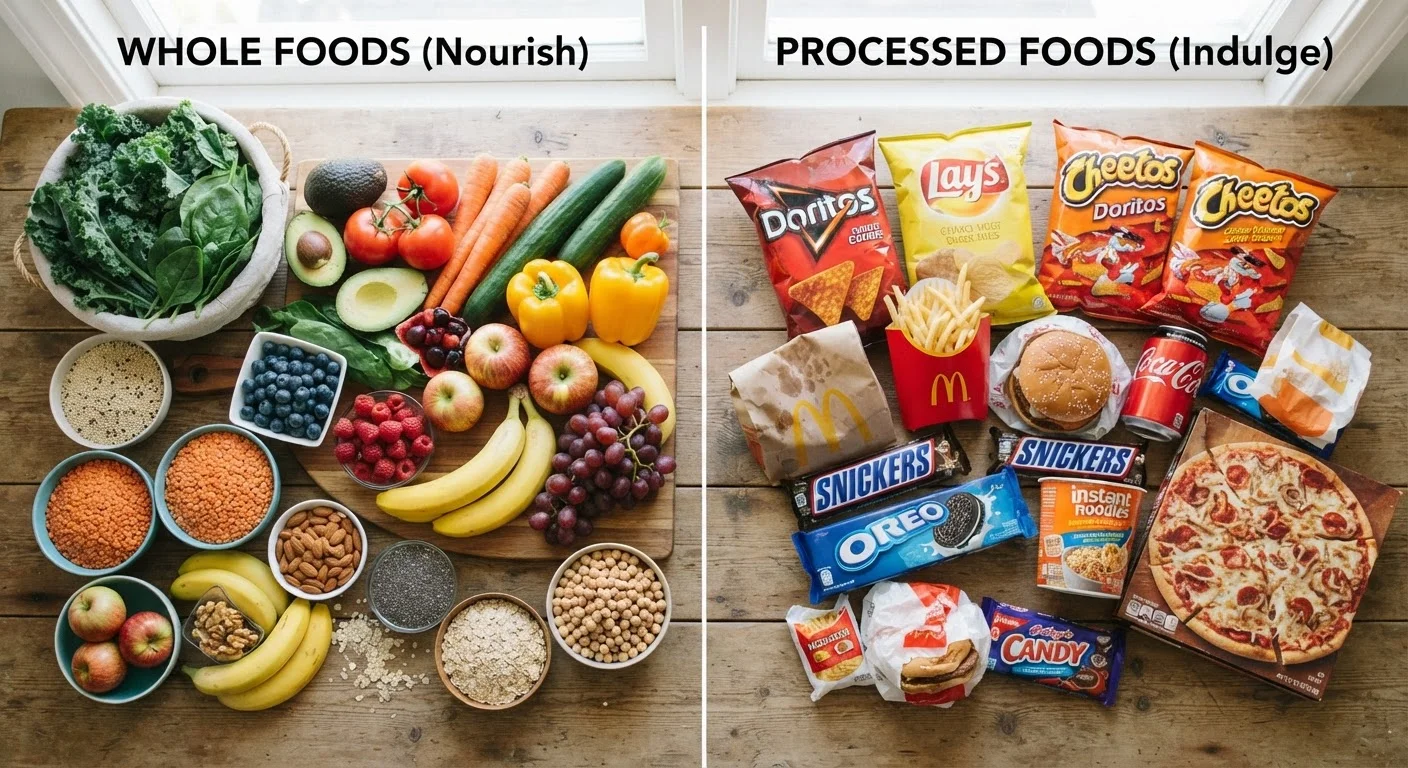
The term "whole food" is used loosely in popular culture, but nutritionally it refers to foods that have undergone little or no industrial processing - think raw lentils, an apple, plain oats, or a piece of salmon. These items retain their original matrix of fiber, vitamins, minerals, and phytonutrients. Minimal processing - such as freezing vegetables or pasteurizing milk - does not disqualify a food from this category.
Ultra-processed foods are a different matter entirely. The most rigorous definition comes from the NOVA classification system, developed by nutrition researchers at the University of São Paulo. NOVA Group 4 - ultra-processed - covers formulations made mostly from substances extracted from foods (such as refined starches, hydrogenated oils, and protein isolates), combined with additives like emulsifiers, artificial flavors, and colorants that have no culinary counterpart. The hallmark isn't just a long ingredient list; it's the presence of ingredients you wouldn't find in a home kitchen.
To illustrate: plain rolled oats are NOVA Group 1 (unprocessed). Instant flavored oatmeal packets with added sugars and artificial flavor are typically NOVA Group 4. The raw ingredient is the same grain - the difference lies entirely in what the factory adds and removes.
Head-to-Head: Nutritional and Practical Differences
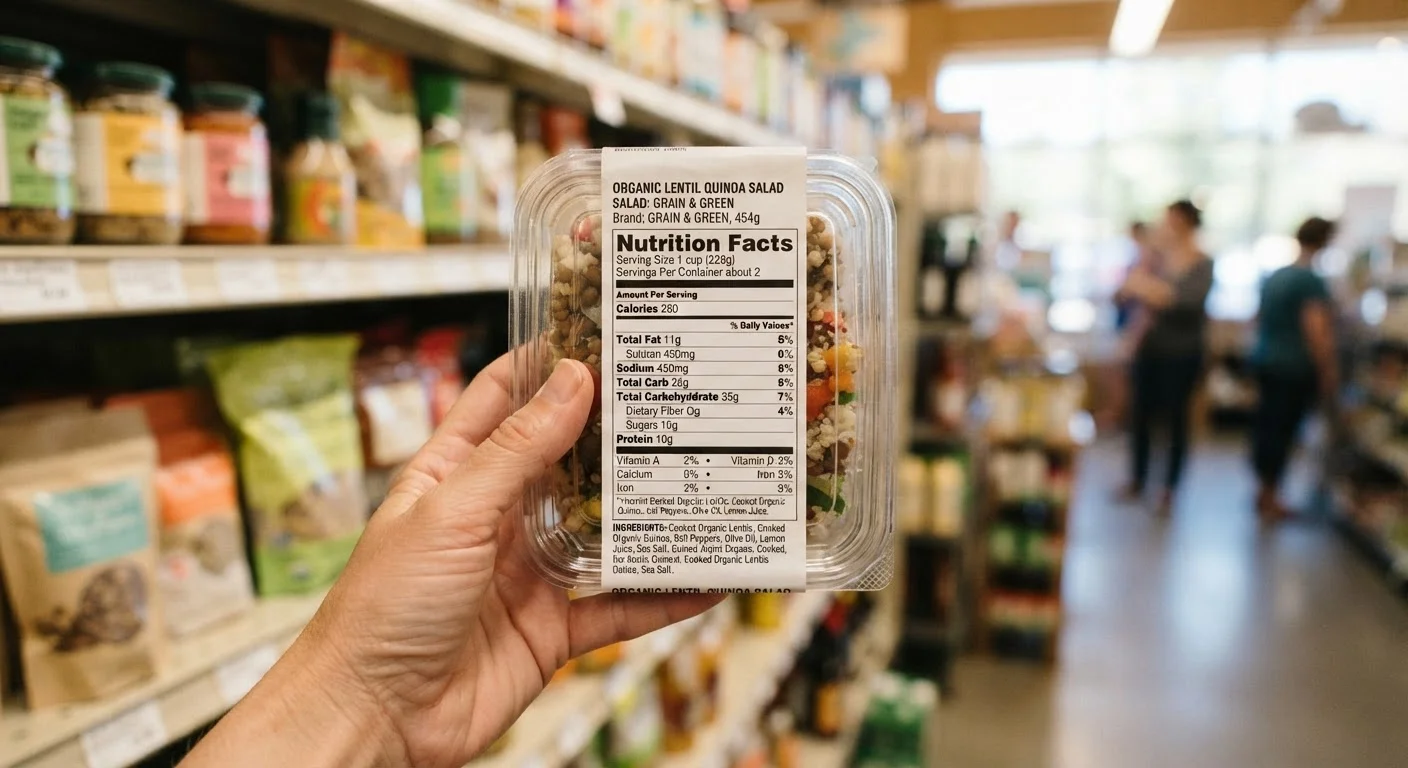
Understanding the contrast across several dimensions makes it easier to apply in real grocery-store decisions. For a fuller look at how to decode what's actually on product labels, see our guide to nutrition label literacy.
| Criterion | Whole Foods | Ultra-Processed Foods |
|---|---|---|
| Processing level | Minimal or none | Extensive industrial formulation |
| Fiber content | Naturally high (in plant foods) | Often significantly reduced |
| Added sugars & sodium | Absent or naturally occurring | Commonly high |
| Micronutrient density | High, with co-occurring compounds | Often low; may be partially fortified |
| Shelf life | Shorter; requires fresh storage | Extended by additives & packaging |
| Satiety signaling | Supported by food matrix & fiber | May be engineered to minimize it |
| Cost per serving | Variable; staples often affordable | Variable; convenience premium common |
One underappreciated difference is the food matrix. Whole foods deliver nutrients in a physical structure - intact cell walls, bound fiber, co-occurring compounds - that affects how quickly macronutrients are absorbed and how satiety hormones respond. Ultra-processed foods are often engineered to bypass these natural braking mechanisms, which may partly explain why they're easier to overconsume.
What the Research Actually Shows
~57%
Share of US calories from ultra-processed foods
A widely cited analysis of US dietary intake data estimated that ultra-processed foods account for roughly 57% of total energy intake among American adults.
+12%
Increased cardiovascular risk per 10% UPF intake rise
A large European prospective cohort study published in the European Heart Journal found each 10 percentage-point increase in ultra-processed food share of diet was associated with a 12% higher cardiovascular disease risk.
500 kcal/day
Extra calories consumed on ultra-processed diet
A controlled crossover study at the NIH found participants on an ultra-processed diet consumed approximately 500 more calories per day and gained weight, compared to a matched whole-food diet.
Large-scale prospective studies - including analyses from France's NutriNet-Santé cohort and UK Biobank data - have found associations between higher ultra-processed food consumption and elevated risks of cardiovascular disease, type 2 diabetes, depression, and all-cause mortality. It's important to note these are observational associations, not proof of direct causation. Confounding factors (income, overall diet quality, sedentary behavior) are difficult to fully disentangle.
That said, mechanistic plausibility is strong. Ultra-processed foods tend to be lower in fiber, higher in added sodium and sugar, and may disrupt the gut microbiome in ways that whole foods do not. The evidence base is substantial enough that many national dietary guidelines now explicitly recommend limiting ultra-processed intake rather than simply tracking individual nutrients.
A Note on the NOVA Classification
NOVA is a research and public health tool, not an official regulatory standard in the United States. It classifies foods into four groups based on the nature and extent of processing rather than nutrient content alone. While broadly used in academic nutrition research, it has critics who argue it oversimplifies food science. Most researchers and dietitians still consider it a useful practical lens for understanding dietary patterns.
If you're curious how these distinctions apply across different eating patterns, our overview of popular diet patterns examines what Mediterranean, plant-based, and low-carb approaches share - including a common emphasis on minimally processed foods.
Making Practical Shifts Without Overhauling Everything
A binary "eat only whole foods" framing isn't realistic for most young professionals managing demanding schedules. The more actionable approach is to shift your dietary pattern incrementally. Prioritizing whole foods at the meal level - a grain bowl, a piece of fruit with nut butter, eggs with vegetables - while treating ultra-processed items as occasional convenience rather than dietary defaults is a sustainable and evidence-consistent strategy.
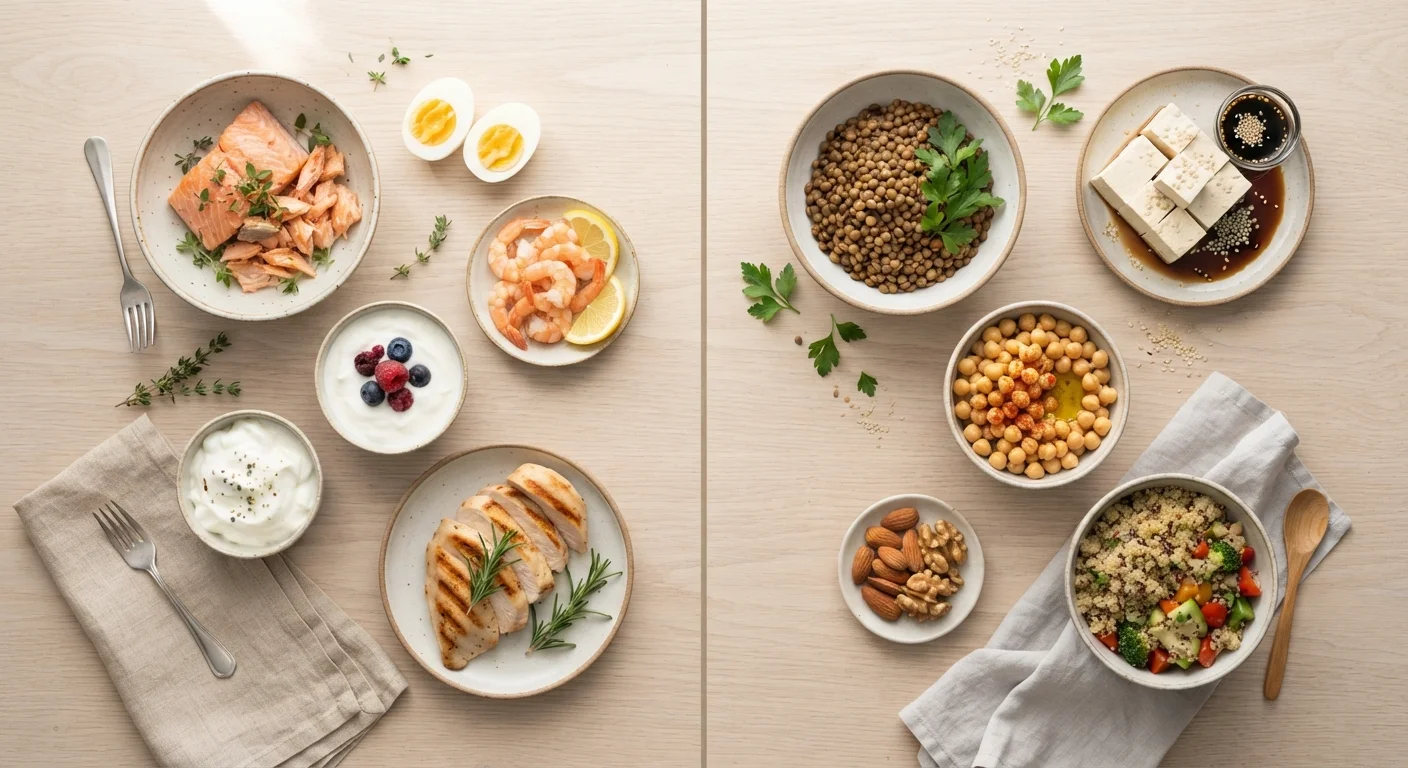
Protein quality is worth particular attention here. Whole food protein sources - legumes, eggs, fish, poultry - bring along co-nutrients (iron, zinc, B vitamins, omega-3s) that isolated protein ingredients in ultra-processed products do not. Our comparison of animal and plant protein sources breaks this down further.
Practical anchors: keep minimally processed staples stocked (canned beans, frozen vegetables, plain whole grains), use labels to identify NOVA Group 4 indicators (emulsifiers, artificial flavors, hydrogenated oils in the ingredients), and aim for meals where whole foods make up the majority of what's on the plate. No single food choice determines your health - consistent patterns over time do.
This article is for general informational and educational purposes only and does not constitute medical or nutritional advice. Consult a registered dietitian or qualified healthcare professional for guidance tailored to your individual health needs.