How the Warning Light System Works
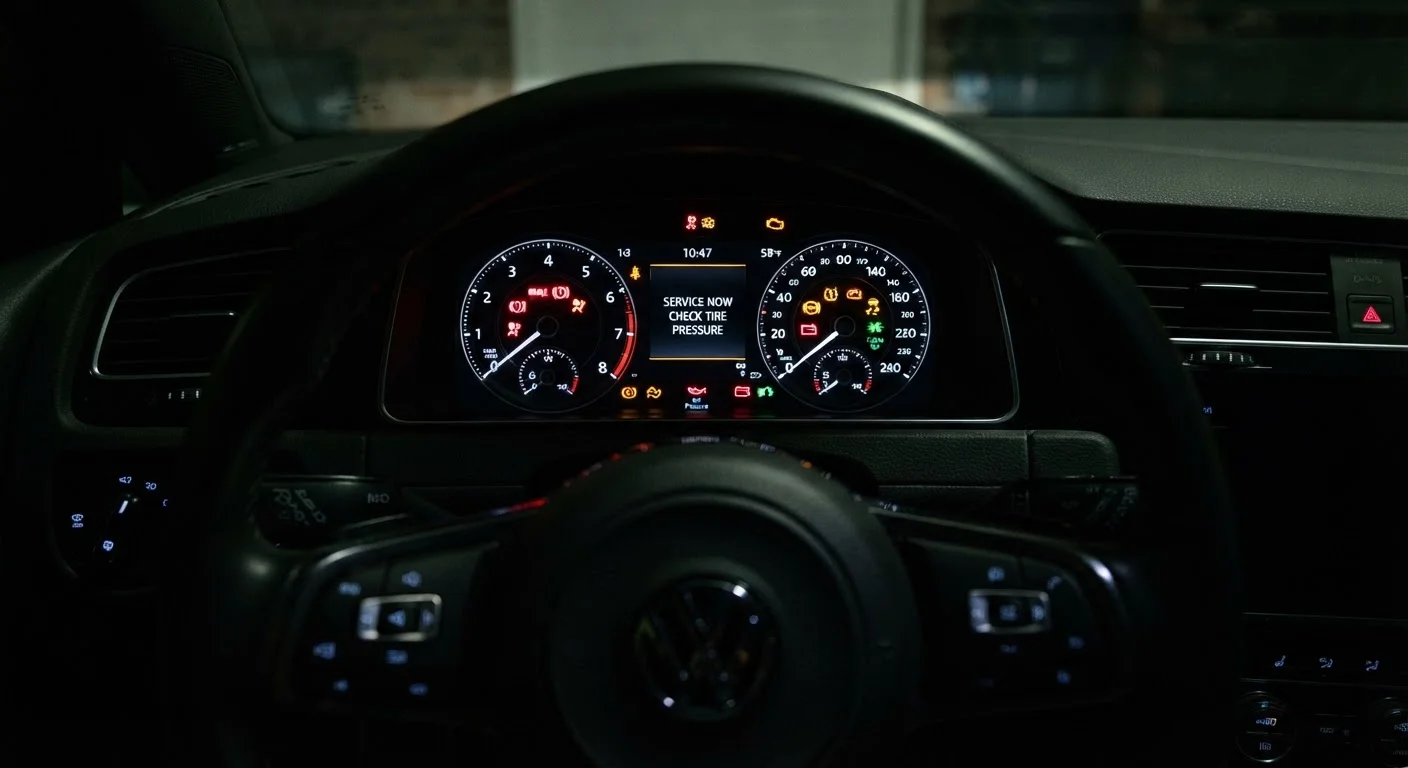
Modern vehicles use an OBD system that continuously monitors dozens of sensors across your engine, drivetrain, and safety systems. When a sensor reading falls outside its accepted range, the system triggers a corresponding dashboard light. Understanding the color-coding is your first layer of triage.
| Red light meaning | Stop or immediate action required |
| Amber light meaning | Attention needed soon; monitor closely |
| Flashing vs. steady light | Flashing = more urgent condition |
| Best reference for your vehicle | Owner's manual - model-specific symbols |
| Most common amber light | Check Engine (malfunction indicator lamp) |
| Diagnostic tool | OBD-II scanner reads stored fault codes |
Red lights signal conditions that may cause immediate damage or pose a safety risk - stop driving as soon as it is safe to do so. Amber or yellow lights indicate a developing issue that needs attention soon but rarely demands you pull over immediately. Green and blue lights are informational, confirming an active system such as high beams or cruise control.
A light that flashes rather than stays solid generally indicates a more urgent condition than the same light when steady. Always cross-reference your owner's manual, which contains the definitive symbol reference for your specific make and model.
Red Lights: Stop and Investigate
These are the lights that deserve your full, immediate attention. Ignoring them can result in engine damage, brake failure, or a dangerous situation on the road.
- Engine Temperature (thermometer in liquid): Your coolant is overheating. Pull over safely, turn off the engine, and do not open the radiator cap while the engine is hot. Continuing to drive risks warping the cylinder head - one of the most expensive repair bills in automotive maintenance.
- Oil Pressure (oil can with a drop): Not to be confused with the oil level light. Low oil pressure means the engine is not being lubricated adequately. Stop the engine immediately; running it further can cause catastrophic internal damage within minutes.
- Battery / Charging System: The charging system has failed. Your car is running on battery reserve alone. Electrical systems will shut down progressively - typically within 30-60 minutes depending on load. Reduce electrical use and head directly to a shop.
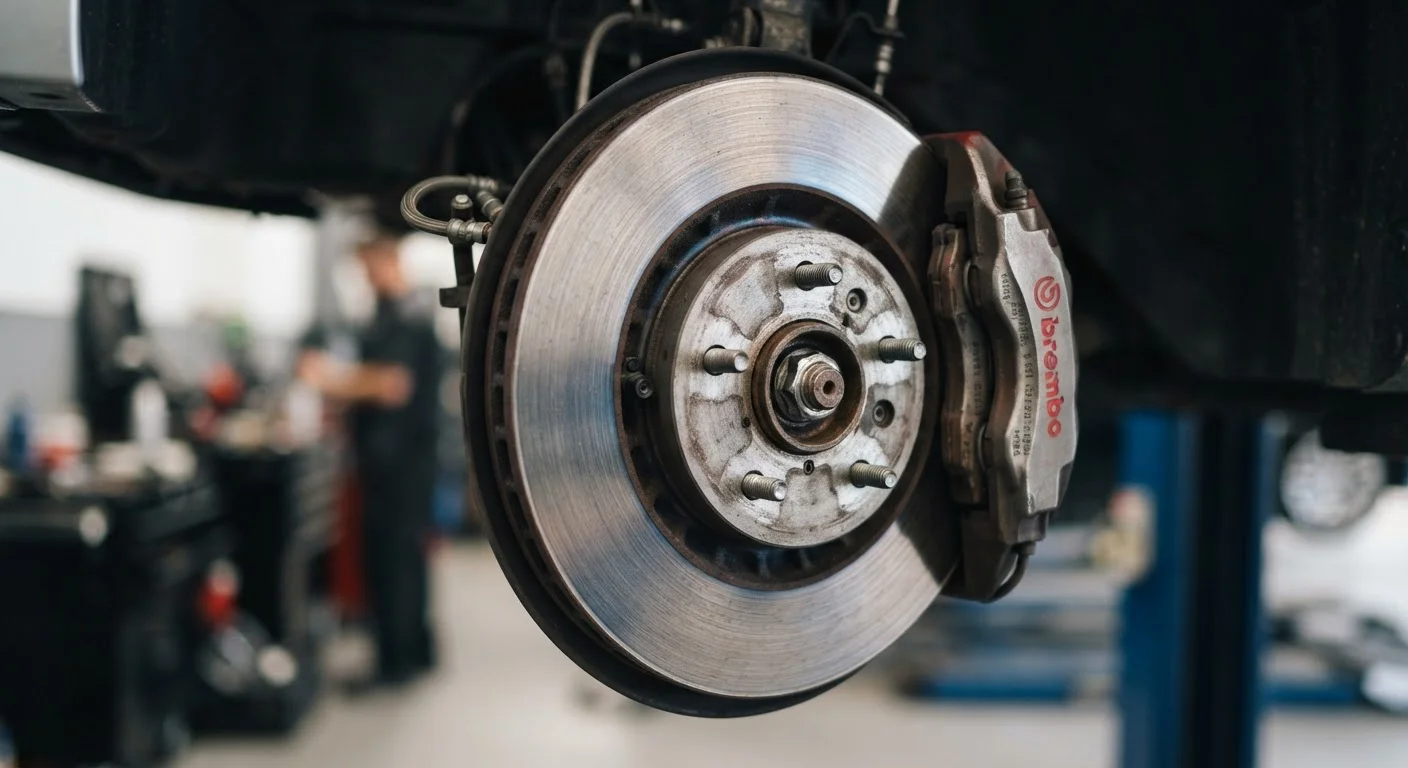
- Brake System Warning: If this appears alongside a soft or spongy pedal, treat it as an emergency. It may indicate critically low brake fluid or a pressure loss in the hydraulic circuit. For deeper context on brake health, see our brake maintenance guide.
Amber Lights: Act Soon, But Don't Panic
Amber warnings give you a window to respond - but that window has limits. Deferring action for weeks often converts a minor fix into a major repair.
OBD (On-Board Diagnostics)
A standardized electronic system built into vehicles that monitors engine, emissions, and drivetrain performance in real time. When a fault is detected, it stores a diagnostic trouble code (DTC) and triggers the relevant warning light.
Malfunction Indicator Lamp (MIL)
The official term for the check engine light. It illuminates when the OBD system detects a fault that could affect emissions or engine performance.
TPMS
Tire Pressure Monitoring System - sensors mounted in each wheel that alert the driver when tire pressure drops below a safe threshold, typically 25% below the manufacturer's recommended level.
Diagnostic Trouble Code (DTC)
A standardized alphanumeric code stored by the OBD system when a sensor reading falls out of range. A mechanic or OBD scanner retrieves these codes to identify the specific fault behind a warning light.
Coolant
A fluid that circulates through the engine and radiator to regulate operating temperature. Low coolant level or a failed thermostat can cause the engine temperature warning light to illuminate.
Electronic Stability Control (ESC)
A computerized safety system that detects and reduces loss of traction during cornering or sudden maneuvers by selectively applying brakes to individual wheels.
- Check Engine (engine outline): This is the most misunderstood light on any dashboard. It covers a wide range of fault codes, from a loose gas cap to a failing catalytic converter. A flashing check engine light, however, often signals active misfiring that can damage the catalytic converter - reduce speed and seek diagnosis promptly.
- TPMS - Tire Pressure Monitoring System (exclamation mark inside a U-shape): One or more tires is below the recommended pressure threshold. Underinflated tires reduce handling precision and increase blowout risk, particularly at highway speeds. Check pressures at a gas station before continuing a long trip.
- Transmission Temperature: The transmission fluid is overheating, often caused by towing heavy loads or stop-and-go traffic. Pull over and allow the vehicle to idle or cool down before continuing.
- Electronic Stability Control (ESC) - solid light: The system has been disabled, either manually or due to a fault. Your vehicle has reduced protection against skidding. A flashing ESC light is normal during cornering - it means the system is actively working.
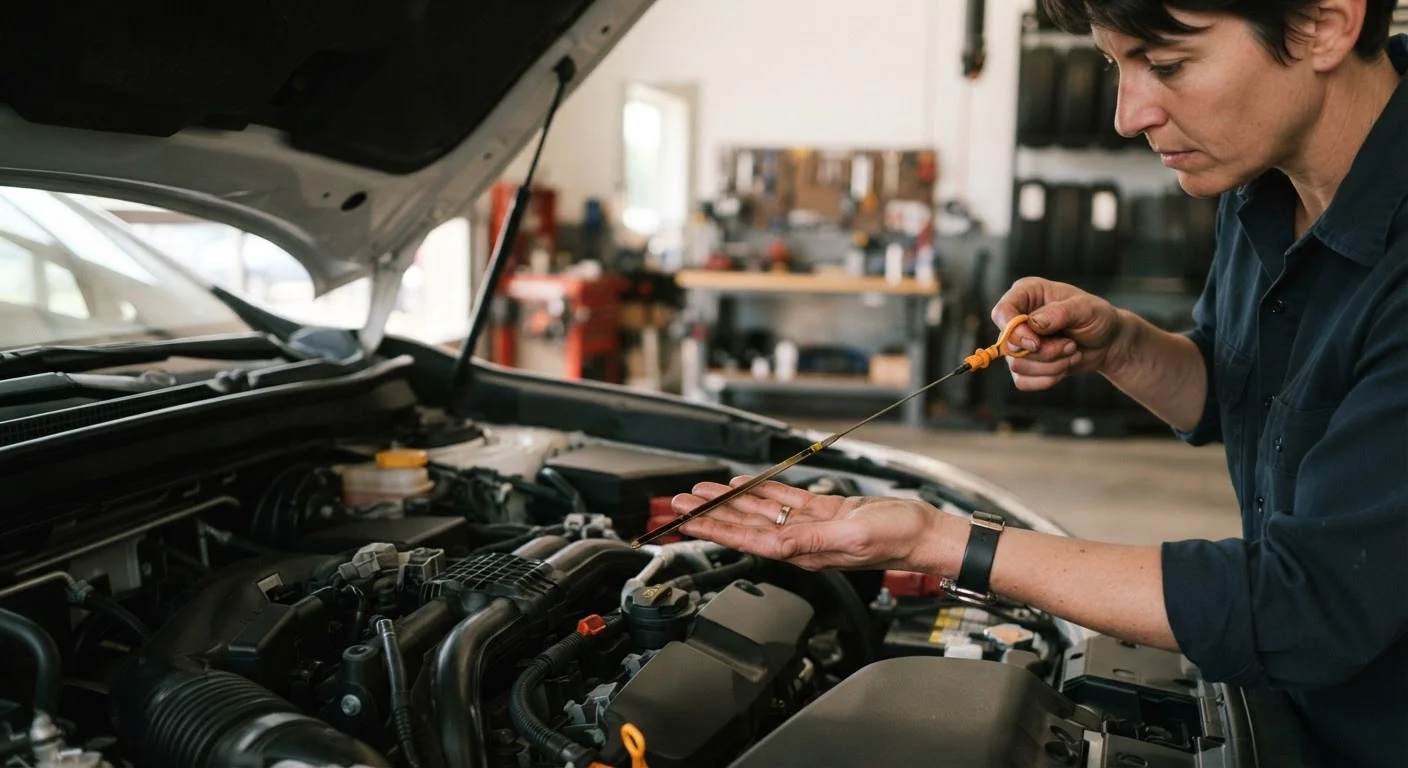
Staying on top of fluid levels is one of the simplest ways to prevent many of these amber lights from ever appearing. Our guide to fluid checks walks through each reservoir in plain language.
When to Drive On vs. When to Stop
Not every warning light means you need roadside assistance. Use this framework to decide your next move.
- Any red light + abnormal driving feel: Stop as soon as safely possible. Do not continue driving.
- Red light alone, car behaving normally: Reduce speed, minimize electrical load, and head to the nearest safe stopping point. Do not continue your planned journey.
- Amber light, no drivability change: Note the light, check your owner's manual, and schedule a diagnostic appointment within a few days.
- Amber light + rough running, unusual smells, or smoke: Treat as a red-light situation.
OBD-II Scanners Are Widely Available
Any vehicle sold in the US after 1996 has a standardized OBD-II port, typically located under the dashboard on the driver's side. Inexpensive handheld scanners and smartphone-connected adapters can read stored fault codes, giving you a starting point before visiting a mechanic. A code alone doesn't diagnose the root cause - but it narrows the field considerably and helps you have an informed conversation with a technician.
Many routine maintenance habits directly reduce the frequency of warning light events. Separately, poor driving habits - such as aggressive acceleration from cold starts - can stress sensors and systems unnecessarily. See our article on habits that accelerate vehicle wear for specifics.
If you frequently drive at night, a suddenly illuminated light is especially disorienting. Our guide on night driving safety covers how to maintain composure and decision-making in low-visibility conditions.