The Logic Behind Scheduled Maintenance
Every vehicle comes with a manufacturer-specified service schedule - a set of mileage or time-based intervals at which key systems should be inspected, adjusted, or replaced. These intervals aren't arbitrary. They're derived from engineering data about how long fluids degrade, how quickly filters clog, and at what point components begin to wear past safe tolerances.
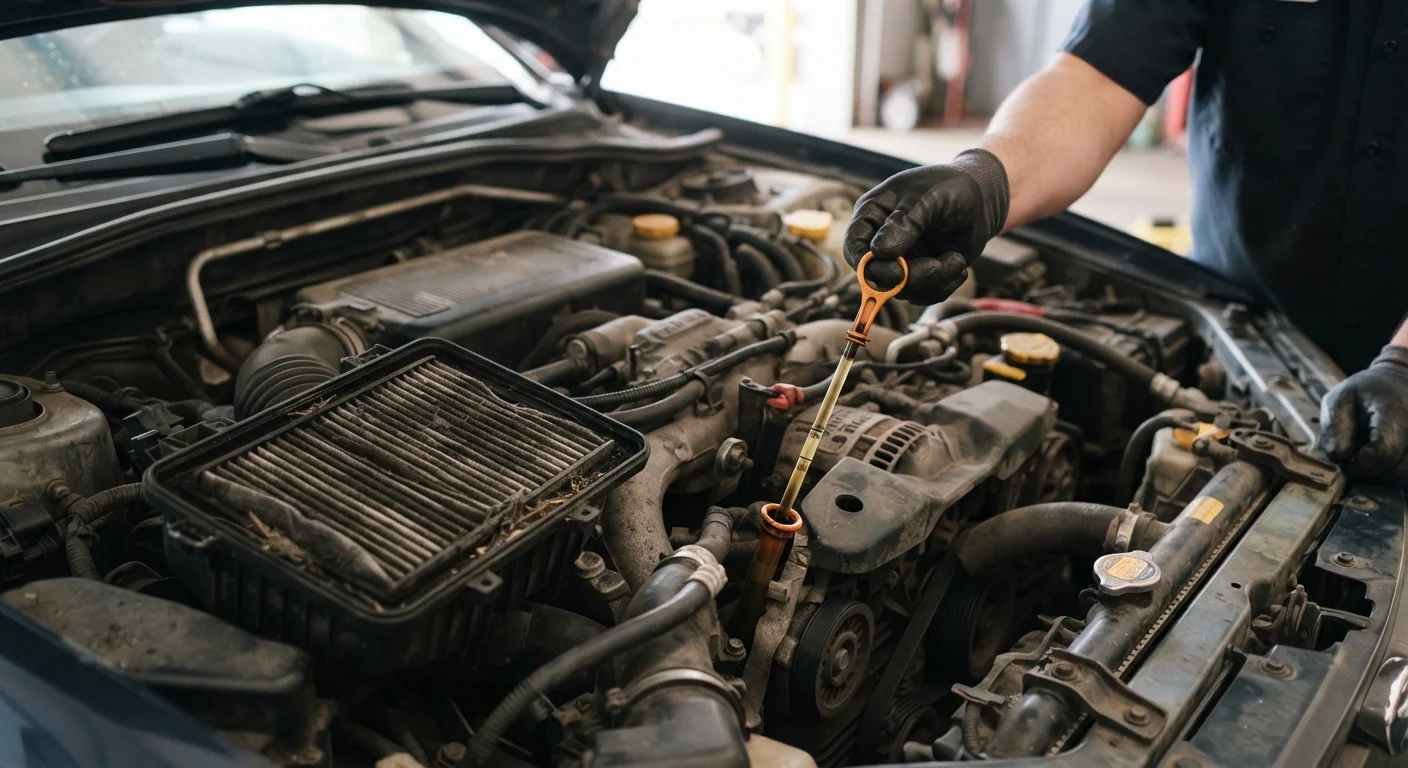
The most common skipped service is the oil change. Engine oil lubricates hundreds of moving metal parts. As it ages, it breaks down chemically and accumulates contaminants. Once degraded oil circulates through an engine, it accelerates friction and heat - two forces that shorten engine life significantly. A standard oil change is a modest, predictable cost. Replacing an engine is not.
Beyond oil, a typical service schedule includes checks on coolant, brake fluid, transmission fluid, air and cabin filters, spark plugs, belts, and tires. Each of these has a defined service life because each one degrades in a predictable way. Addressing them on schedule keeps costs manageable and predictable - which matters as much for your budget as for your car. See our guide to planning for irregular expenses for how to fit service costs into a budget without stress.
How Deferred Service Becomes Expensive
The financial case for skipping service appears straightforward - you avoid a bill today. But deferred maintenance rarely stays contained. Systems in a car are interdependent, and wear in one area typically accelerates wear in adjacent components.
~$1,200
Average engine repair cost from oil neglect
Industry repair estimates suggest that oil-related engine damage from neglect typically runs from several hundred to well over a thousand dollars depending on severity.
3-5×
Cost multiplier of deferred vs scheduled service
Automotive technicians commonly note that addressing a worn component at service is typically three to five times cheaper than repairing the damage it causes if left unattended.
A blocked cabin or engine air filter, for example, forces your HVAC system and engine to work harder respectively, reducing efficiency and increasing fuel consumption. A neglected coolant system can cause overheating, which warps cylinder heads - a repair that can cost several times more than years of coolant flushes. Worn brake pads, if left long enough, grind metal-on-metal and damage rotors, turning a pad replacement into a full brake job.
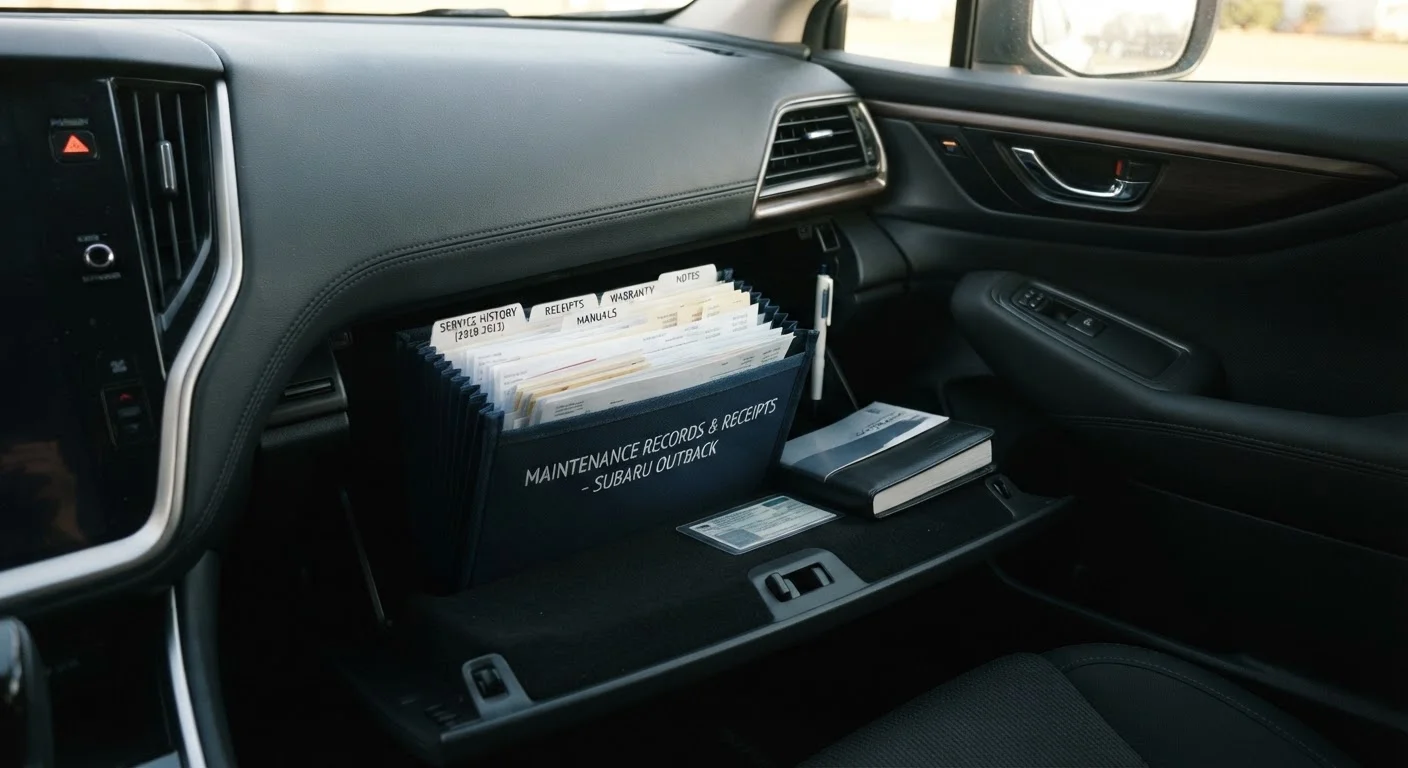
There's also the warranty dimension. Many manufacturers require documented evidence of service at specified intervals to honor powertrain warranties. Skipping services - or failing to keep records - can leave you unprotected at exactly the moment you need coverage most. Our guide to maintaining a service record explains how to track this properly.
Synthetic Oil and Extended Intervals
Some modern vehicles using full synthetic oil are approved by their manufacturers for extended drain intervals - sometimes 7,500 to 10,000 miles or more. This is not the same as skipping service; it's a manufacturer-specified schedule for that specific oil type and engine. Always follow your owner's manual rather than assuming a generic interval applies to your vehicle.
Pros and Cons at a Glance
It's worth acknowledging that for some drivers, skipping a single service interval under specific, low-risk conditions may not immediately cause damage. Context matters. But that nuance shouldn't be confused with a general strategy.
Avoids an immediate out-of-pocket service cost
Pushing back a service appointment delays the bill, which can provide short-term cash flow relief for drivers in a tight month.
May be low-risk for near-new vehicles on light use
A vehicle with very low mileage driven in mild conditions may not experience immediate harm from a single slightly delayed oil change, depending on oil type and vehicle age.
Can allow time to shop for a better-priced service provider
A brief delay could let you find a more cost-effective mechanic rather than defaulting to a rushed or expensive option.
Against those limited upside scenarios, the downsides are concrete and well-documented across the automotive industry.
Accelerates wear on interconnected systems
Degraded oil, clogged filters, and worn belts all increase stress on adjacent components, turning isolated wear into cascading failures.
Converts small predictable costs into large unexpected ones
A skipped coolant flush can lead to overheating and a warped cylinder head - a repair that can run thousands of dollars versus a flush costing a fraction of that.
May void manufacturer warranty coverage
Many powertrain warranties require documented service at manufacturer-specified intervals; gaps in the record can nullify your coverage at the worst possible time.
Reduces resale and trade-in value
Buyers and dealers discount vehicles with incomplete service histories because undocumented maintenance signals unknown risk.
Increases fuel consumption from degraded components
A dirty air filter, under-inflated tires, and old spark plugs each reduce engine efficiency, gradually increasing what you spend at the pump.
Raises breakdown probability on long or remote trips
Deferred maintenance is a leading contributor to roadside breakdowns - situations that carry both safety risk and costly recovery expenses.
The pattern is consistent: drivers who maintain their service schedules spend more money in predictable small amounts, and far less money in unpredictable large amounts. Those who skip services tend to face the opposite experience. It's also worth noting that everyday driving habits can compound the damage from deferred maintenance - the two risks often amplify each other.
Resale Value and the Hidden Cost You Can't See Coming
There's a cost to deferred maintenance that doesn't show up until you try to sell or trade in your vehicle: depreciated resale value. A car with a patchy or undocumented service history signals risk to buyers and dealers. Offers come in lower, and in some cases private buyers walk away entirely.
A complete service record, by contrast, is a tangible asset. It demonstrates that the vehicle has been properly maintained and reduces the uncertainty buyers price into their offers. Some mechanics note that a thorough service history can be as persuasive as a clean inspection report.
The cumulative financial picture - larger repairs, higher fuel costs from degraded components, potential warranty gaps, and reduced resale value - makes a compelling case. Regular service is less an expense than it is a form of cost control. For a broader look at how deferred vehicle costs quietly compound, see our article on hidden costs that erode your savings. And if you want to separate genuine money-saving maintenance strategies from popular misconceptions, our car maintenance myths article is a useful companion read.