
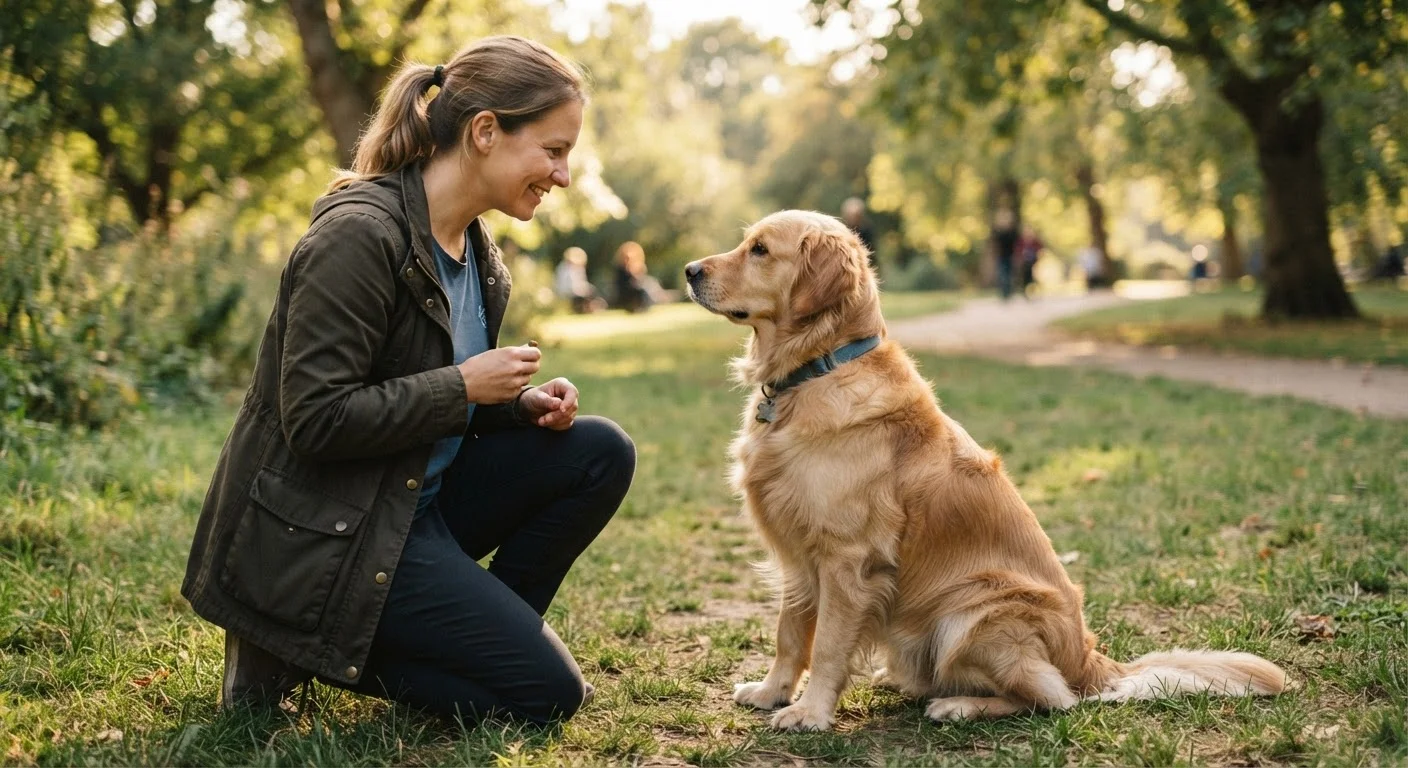
Why Small Habits Have Outsized Consequences in Training
Training a pet is fundamentally an exercise in communication - and like any communication system, it breaks down not in dramatic failures but in the accumulation of small inconsistencies. A cue that shifts slightly from session to session, a reward that arrives a beat too late, a moment of attention given to the wrong behavior: individually, none of these feel significant. Collectively, they create a muddled signal that leaves even a motivated animal unsure of what you're actually asking.
Understanding why these habits form is as important as identifying what they are. Most stem from a mismatch between how humans naturally communicate and how animals actually learn. We rely on context, tone, and inference; pets rely on precise, repeated associations. Bridging that gap requires some deliberate adjustment on the owner's part - and an honest look at what patterns have already taken root. The mistakes outlined below represent the most common patterns we see derail otherwise well-intentioned training plans.
The Most Common Training Habits That Quietly Stall Progress
Each of the patterns below operates subtly - often going unnoticed for weeks before their effects become visible in a pet's behavior. Review them not as a checklist of failures, but as a diagnostic lens for identifying where your training communication may have drifted.
Using multiple words or hand signals for the same behavior without standardizing them.
Why it happens: Owners often adjust cues on the fly - saying 'sit,' 'sit down,' and 'sit!' interchangeably - without realizing each variation registers differently to a pet still building the association.
Inadvertently rewarding the very behavior you want to eliminate.
Why it happens: A dog jumps up; the owner pushes it down while making eye contact and speaking to it. From the animal's perspective, jumping produced interaction - which is exactly what it wanted.
Delivering rewards too late, reinforcing a behavior other than the intended one.
Why it happens: Owners are often searching for a treat in a pocket or bag while the pet moves on to sniffing the floor - and the treat lands on that secondary behavior instead.
Running training sessions that are too long, leading to disengagement and frustration.
Why it happens: Owners equate longer sessions with faster progress, not realizing that a pet's working memory and attention have real capacity limits - especially in young or newly adopted animals.
Failing to proof behaviors across different environments and distraction levels.
Why it happens: A behavior trained exclusively in the living room is strongly contextual - the animal has learned to respond to the cue in that setting, not to the cue universally.
Skipping reinforcement once a behavior appears reliable, causing it to fade over time.
Why it happens: Owners assume that once a behavior is 'learned,' rewards are no longer necessary - but intermittent reinforcement is what sustains behaviors under real-world conditions.
Timing Is Everything in Reinforcement
According to established operant conditioning principles, a reward must arrive within approximately one to two seconds of the target behavior to be meaningfully associated with it. Beyond that window, you risk reinforcing whatever your pet happened to be doing next. If you find yourself reaching for a treat after your dog has already shifted position or looked away, the moment has passed - mark the behavior first with a consistent signal, then deliver the reward.
Just as some study habits feel productive but undermine real retention, training habits that feel consistent often harbor quiet inconsistencies. A structured self-audit - reviewing your cue words, reinforcement timing, and session length - is one of the most effective adjustments an owner can make.
Building a Training Routine That Compounds Over Time
Correcting these habits is less about dramatic overhaul and more about tightening small variables. Standardize your cues, prepare your rewards in advance, shorten your sessions, and systematically introduce new environments. Each adjustment removes a source of noise from your communication and makes the signal clearer.
Frustration Changes the Learning Environment
If you feel irritated during a session - because a cue isn't landing or your pet seems distracted - end the session before that emotion shows. Animals are sensitive to shifts in tone and body language, and a tense training environment elevates stress hormones that actively impair learning. A short five-minute break resets the emotional state for both of you far more effectively than pushing through.
~1-2 sec
Effective reinforcement timing window
Behavioral science literature consistently identifies this as the critical window for connecting a reward to the intended action in animal learning.
3-5 min
Recommended session length for young animals
Applied animal behaviorists generally advise keeping sessions this short for puppies and kittens to prevent cognitive overload and disengagement.
Consistency across time is what separates animals that generalize behaviors reliably from those that perform well only under ideal conditions. The concept of keystone habits - small behaviors that cascade into broader positive change applies directly here: standardizing your marker and reward delivery is the foundational habit that makes every other training effort more effective. Track your sessions, note where behaviors break down, and treat that data as useful feedback rather than evidence of failure.