
Why Savings Myths Persist
Misconceptions about saving money are surprisingly durable. They tend to feel logical on the surface - or they echo advice passed down through generations that no longer reflects how modern financial tools work. For young professionals juggling student loans, rising rents, and competing financial priorities, these myths don't just create confusion; they actively delay action.
The five myths below are among the most common - and most limiting. Each one is addressed with what the evidence actually supports, so you can build a saving practice grounded in reality rather than outdated assumptions. For a broader look at how similar myths play out in budgeting, see budgeting myths that keep people stuck.
Myth
You need a high income before you can meaningfully save.
Fact
Savings habits are built on consistency, not income size. Even modest, regular contributions compound into real progress over time.
This belief keeps many young professionals waiting for a raise that may or may not materialize before they ever open a savings account. But the relationship between income and savings is less direct than most assume. Research from behavioral economics consistently shows that the habit of saving matters more than the dollar amount at the start.
Someone saving $25 per paycheck from age 24 is building a financial routine - and benefiting from compound interest - while someone waiting to earn "enough" to make it worthwhile may delay by years. If you earn a variable income, strategies exist for that scenario too. See saving on an irregular income for practical approaches.
Myth
Small amounts aren't worth saving - they won't make a real difference.
Fact
Small, regular deposits accumulate significantly over time, especially when interest compounds. The earlier you start, the larger the long-run effect.
Compound interest - where you earn returns on both your principal and previously earned interest - means time in the market (or in a savings account) amplifies even modest contributions. The Federal Reserve's consumer finance surveys consistently find that people who automate small transfers save more reliably than those who save only when they feel they have surplus cash.
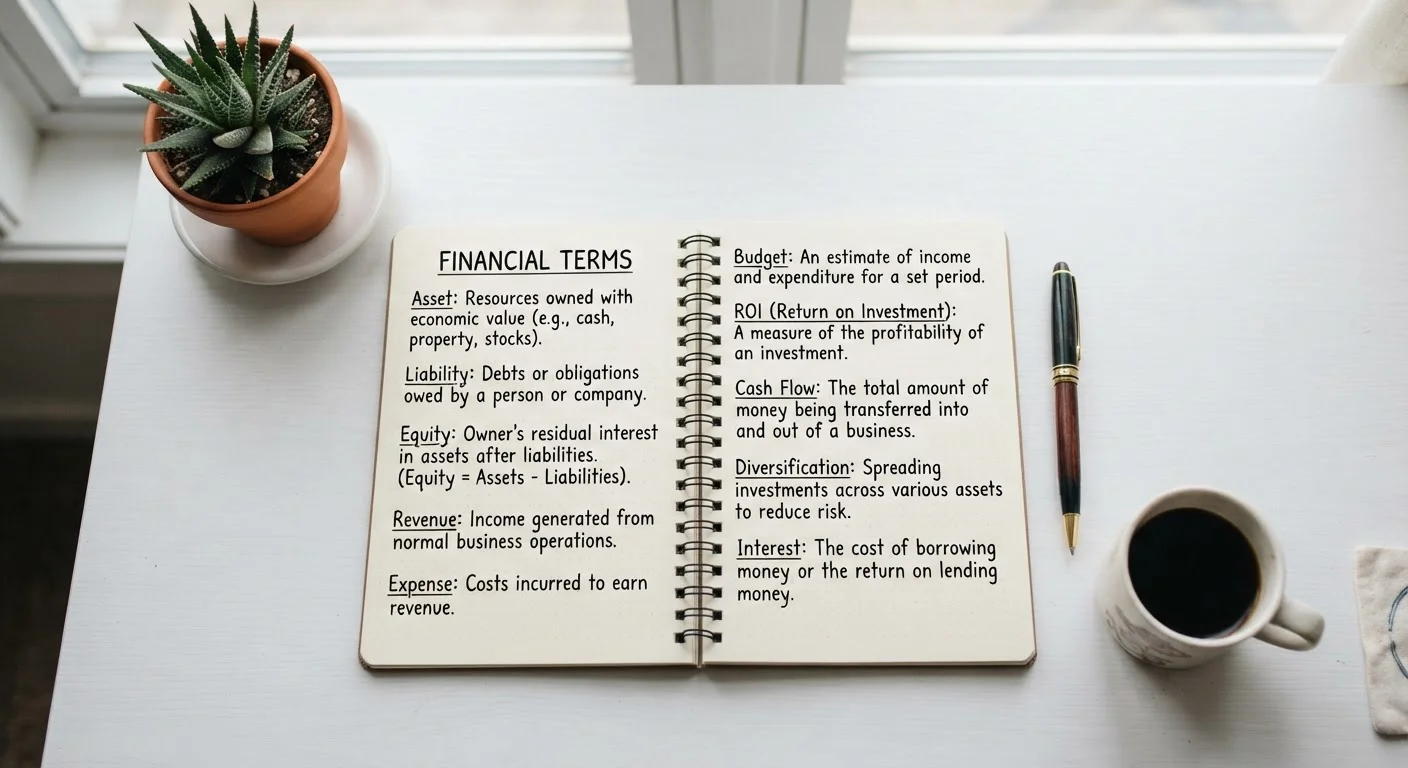
If decision fatigue or willpower is a barrier, automating your savings removes the monthly struggle entirely. Not sure what APY or compound interest actually means? key savings terms explained plainly covers the vocabulary you need.
Myth
You should pay off all debt before you start saving anything.
Fact
Depending on the interest rates involved, saving and paying down debt simultaneously is often the more sound strategy for most people.
This myth has a kernel of logic: high-interest debt (like credit card balances carrying 20%+ APR) can cost more than a savings account earns. But the all-or-nothing framing misses nuance. Most financial educators recommend maintaining at least a small emergency fund while paying down debt, because without any cushion, an unexpected expense forces new debt - defeating the purpose.
Lower-interest debt (student loans at 4-6%, for example) does not automatically justify freezing savings. A balanced approach - directing extra income toward high-interest debt while building a modest cash buffer - serves most people better than an absolute rule. The right balance depends on your specific rates and circumstances; a licensed financial adviser can help you work through the math for your situation.
Myth
A savings account and an emergency fund are the same thing.
Fact
They serve different functions. A savings account is a vehicle; an emergency fund is a specific financial goal - liquid cash reserved for genuine unexpected needs.
Conflating these two concepts leads people to raid their savings for non-emergencies, or to count any savings balance as a safety net without checking whether it's actually accessible and sufficient. An emergency fund is typically defined as three to six months of essential living expenses, held in a liquid, low-risk account that you can access quickly without penalties.
A general savings account might house multiple goals - a vacation, a down payment, or a gadget - alongside emergency reserves. Keeping these mentally (or physically) separate helps prevent accidental drawdowns. For a foundational overview of how these concepts fit together, getting started with saving is a useful starting point.
Myth
Saving is purely a math problem - if you know the right formula, you'll do it.
Fact
Saving has a strong behavioral and psychological dimension. Understanding the mental barriers is as important as knowing the numbers.
If saving were simply arithmetic, far more people would do it consistently. The CFPB and academic behavioral economists have documented that factors like present bias (overvaluing immediate spending versus future benefit), decision fatigue, and emotional spending patterns all undermine saving intentions even among financially literate people.
Recognizing these patterns is the first step to working around them. why saving feels impossible explores the psychological side in depth. Similarly, spending patterns that undermine saving helps identify the behaviors most likely to derail your progress.
Building a Saving Habit That Lasts
Correcting these myths clears space to act. The practical upshot across all five: start earlier than feels comfortable, start smaller than feels meaningful, and automate wherever possible. Waiting for ideal conditions - a higher salary, zero debt, perfect clarity - is itself a myth, dressed up as prudence.
This Is General Information, Not Financial Advice
The information in this article is intended for educational purposes only and does not constitute personalised financial advice. Everyone's financial situation is different. Consult a qualified financial adviser or certified financial planner before making significant decisions about your money.
If you are ready to move from myth-busting to action, a no-jargon introduction to saving walks through the first concrete steps. And once you have a savings foundation in place, investing fundamentals is a natural next stage - putting saved capital to work over the long run.
56%
Americans unable to cover a $1,000 emergency from savings
According to Bankrate's annual emergency savings report, more than half of U.S. adults could not cover a $1,000 unexpected expense using savings alone.
3-6 months
Recommended emergency fund coverage
The Consumer Financial Protection Bureau (CFPB) generally recommends keeping three to six months of essential living expenses in an accessible liquid account.
$25/week
Small weekly savings over 10 years (at 4% APY)
A consistent $25-per-week deposit into a 4% APY account compounds to roughly $15,900 over 10 years - illustrating how small amounts add up meaningfully over time.
This article is for general informational and educational purposes only. It does not constitute personalised financial, tax, or investment advice. Consult a qualified financial professional for guidance tailored to your individual circumstances.