Why Warning Lights Exist - and Why They Matter
Your car's dashboard warning lights are part of the onboard diagnostics system, a network of sensors that continuously monitors everything from engine temperature to tire pressure. When something falls outside normal operating parameters, the system triggers a light to alert you.
The critical mistake many drivers make is treating all warning lights the same way - either panicking over minor alerts or ignoring genuinely serious ones. Understanding the difference can save you from both unnecessary stress and expensive mechanical failure.
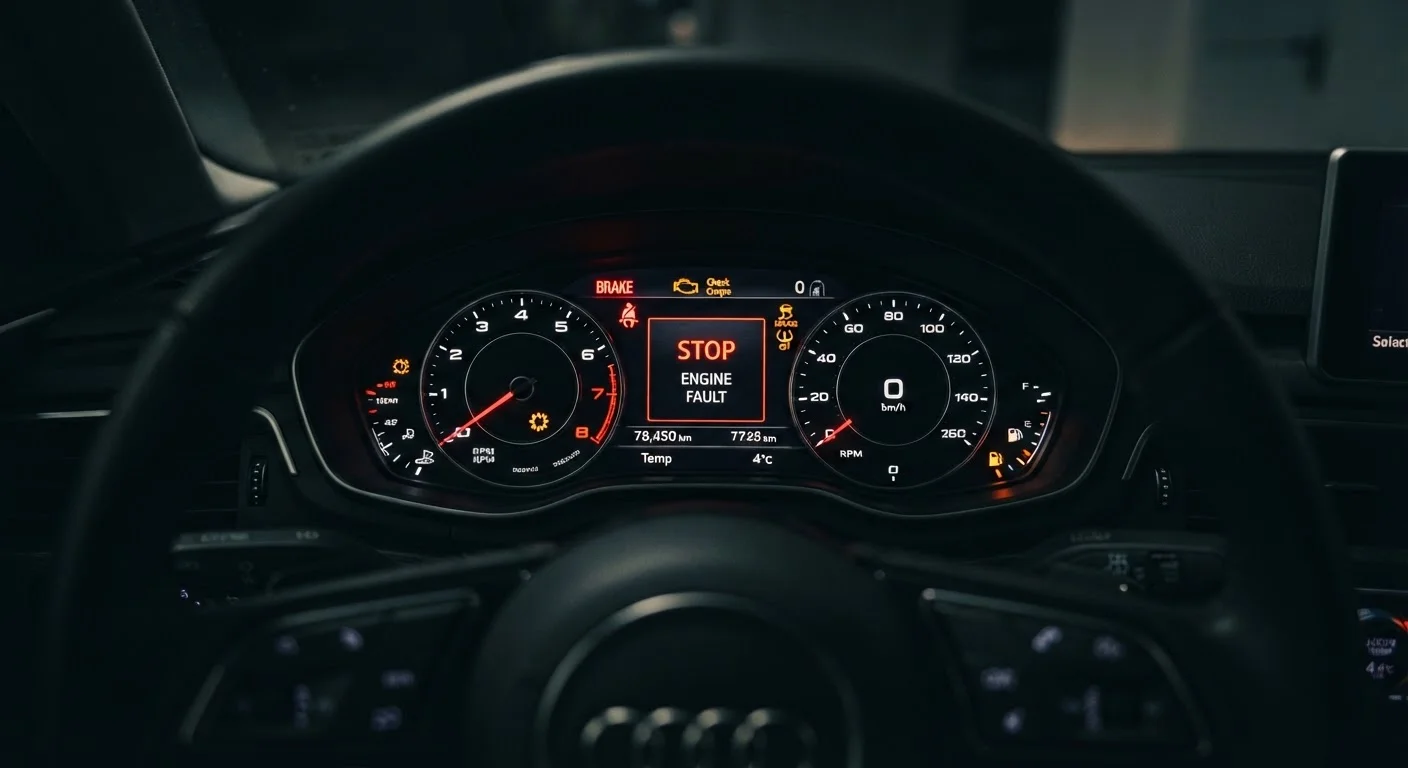
As a general rule, red lights demand immediate attention, amber/yellow lights indicate something that needs prompt service, and green or blue lights are simply informational. That hierarchy is your first and most practical tool.
| Red light meaning | Stop or seek immediate service |
| Amber light meaning | Schedule service promptly |
| Diagnostic system standard | OBD-II (required on all US cars since 1996) (EPA mandate) |
| Most common warning light | Check Engine / Service Engine Soon |
| TPMS requirement | Mandatory on all new US passenger vehicles since 2008 (NHTSA regulation) |
| First step with any new light | Consult your owner's manual |
Stop Now: Red Warning Lights You Should Never Ignore
Red warning lights signal conditions that can cause immediate engine damage, compromise vehicle safety, or leave you stranded. If any of these appear while driving, pull over safely as soon as possible and do not continue until the issue is assessed by a qualified mechanic.
- Oil Pressure Warning: Indicates critically low oil pressure, which can destroy engine bearings within minutes of continued driving. Check your oil level immediately. If it's normal and the light persists, stop driving.
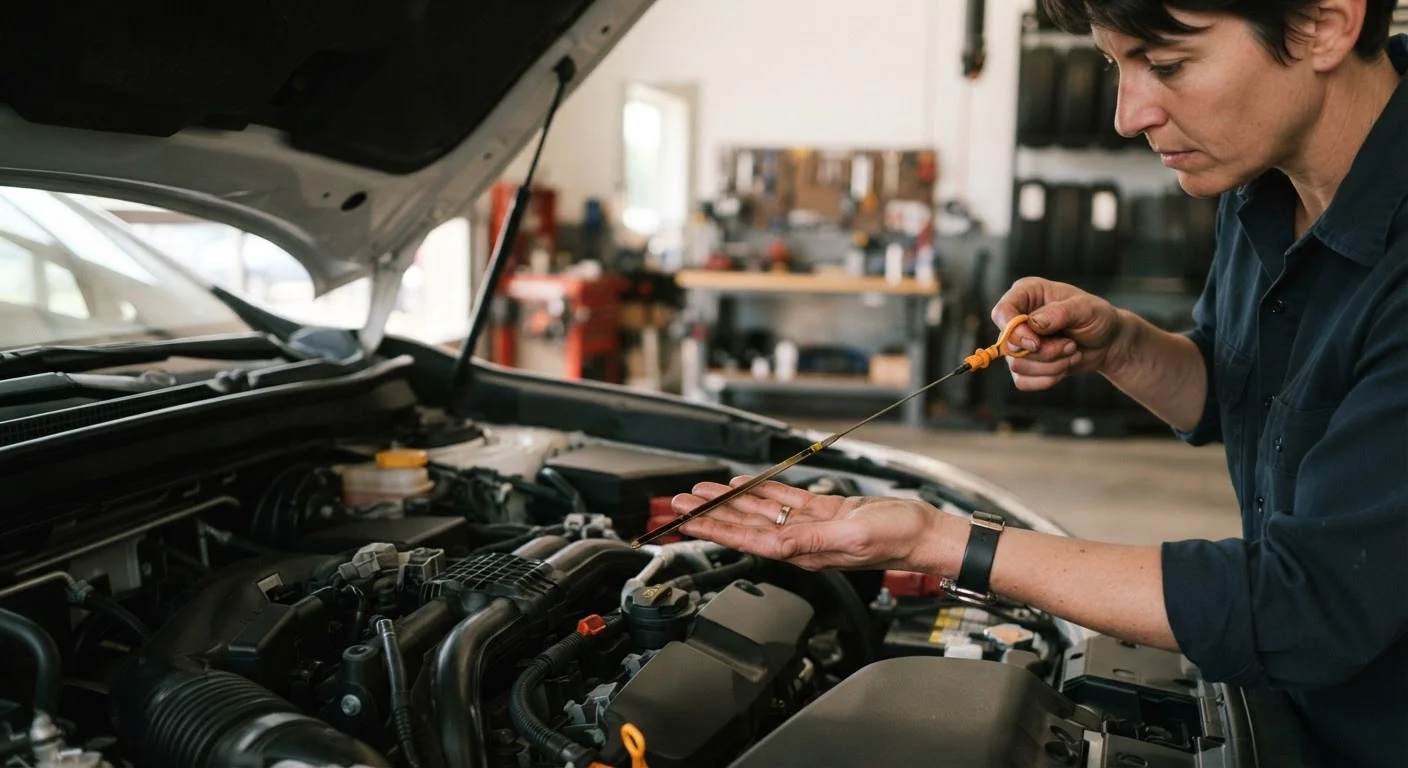
- Engine Temperature Warning: Your engine is overheating. Pull over, turn off the engine, and allow it to cool before checking coolant levels. Driving further can warp the cylinder head - a repair that runs into thousands of dollars. See our guide to checking and topping up fluids for reference.
- Battery/Charging Warning: The charging system has failed. Your car is running on battery reserve only. You may have 30 minutes or less before the vehicle dies entirely. Drive directly to a service center.
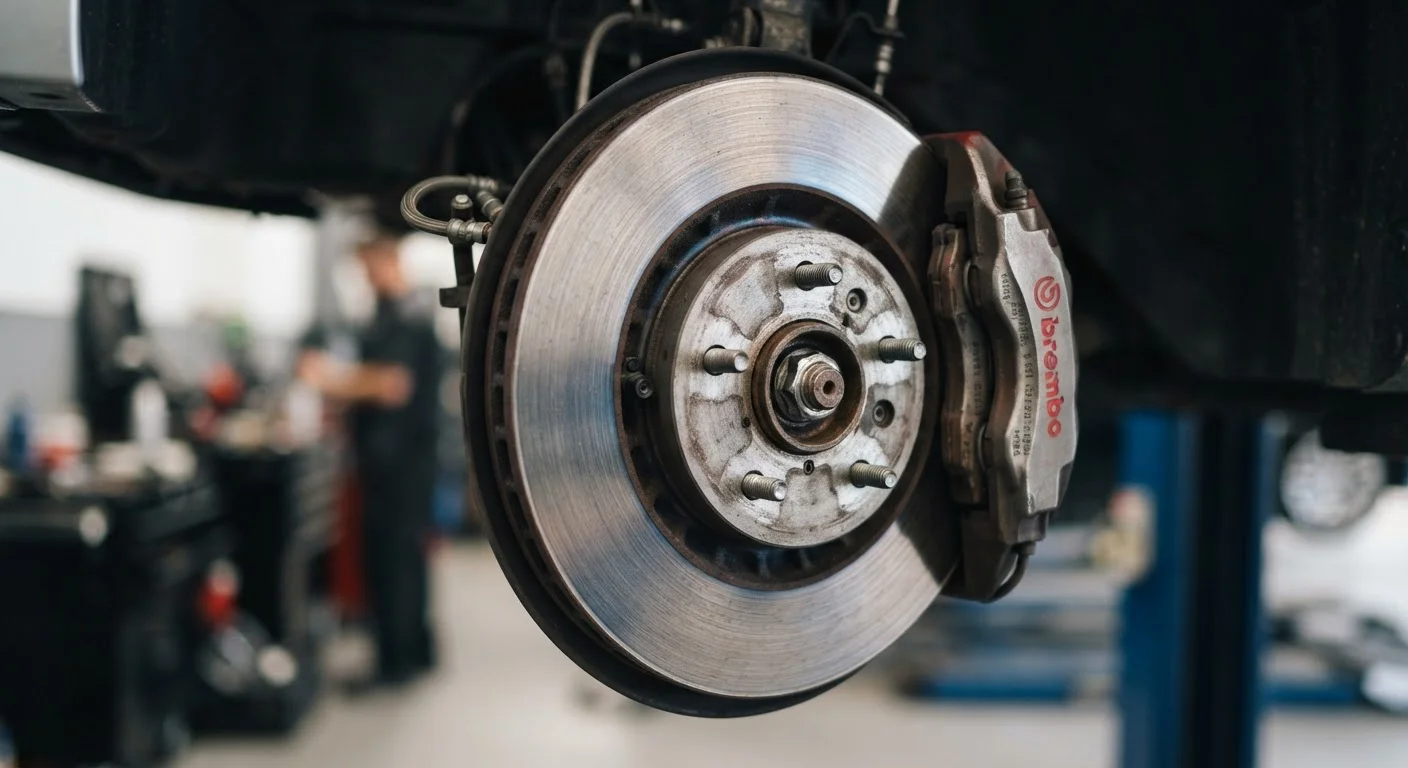
- Brake System Warning: If this light appears and your handbrake is fully released, it could indicate low brake fluid or a hydraulic system fault. Do not continue driving - braking performance may already be compromised. Our brake maintenance guide explains the full brake system in accessible terms.
Don't Assume a Steady Light Is Safer Than a Flashing One
A flashing or blinking Check Engine light is more urgent than a steady one - it typically signals an active misfire that can damage the catalytic converter rapidly. However, a steady red oil pressure or temperature light is equally serious. Always treat red lights as requiring immediate action regardless of whether they flash.
Act Soon: Amber Warning Lights That Shouldn't Be Delayed
Amber lights don't usually mean pull over immediately, but they do mean schedule a service appointment within days - not weeks. Continuing to drive on an unresolved amber warning often turns a moderate repair into a major one.
- Check Engine (Service Engine Soon): One of the most misunderstood lights on any dashboard. It can range from a loose gas cap to a misfiring cylinder. A mechanic will use an OBD-II scanner to read the stored diagnostic trouble code (DTC) and pinpoint the cause.
- Tire Pressure Monitoring System (TPMS): One or more tires are significantly underinflated. Underinflated tires reduce fuel efficiency, degrade handling, and increase blowout risk. Check and adjust pressure at your earliest opportunity.
- Transmission Temperature: Transmission fluid is overheating, often from towing, stop-and-go traffic, or low fluid levels. Ease off demanding driving and have the fluid inspected.
- ABS Warning: Your anti-lock braking system has a fault. Standard braking still works, but ABS - which prevents wheel lockup during hard stops - may not activate correctly. Drive cautiously and get it diagnosed promptly.
Driving habits also affect how often these lights appear. Everyday behaviors you might not think twice about can quietly trigger chronic warning light issues.
OBD-II
On-Board Diagnostics II - a standardized system required on all US vehicles since 1996 that monitors engine, transmission, and emissions systems and stores diagnostic trouble codes when faults occur.
Diagnostic Trouble Code (DTC)
An alphanumeric code stored by the OBD-II system when a sensor detects a fault. Mechanics use a scanner to read these codes and identify the specific problem.
TPMS
Tire Pressure Monitoring System - sensors in each wheel that alert the driver when tire pressure drops significantly below the recommended level.
ABS
Anti-lock Braking System - a safety feature that prevents wheels from locking up during hard or emergency braking, helping the driver maintain steering control.
Charging System
The combination of the alternator, battery, and related wiring that keeps the battery charged while the engine is running and powers the vehicle's electrical systems.
What to Do When a Warning Light Appears
Follow this straightforward process whenever a new light illuminates:
- Identify the color. Red means stop soon; amber means act promptly; blue/green is informational.
- Consult your owner's manual. Every manufacturer uses slightly different symbols. Your manual is the definitive reference for your specific vehicle.
- Check the obvious first. For oil, coolant, and tire pressure lights, a quick physical check takes two minutes and may resolve the alert entirely.
- Note any accompanying symptoms. Unusual noises, smells, or changes in handling give your mechanic valuable diagnostic clues.
- Get a diagnostic scan. Many auto parts retailers offer free OBD-II scans. This gives you the stored fault code before you visit a mechanic, so you go in informed.
This article provides general automotive information for educational purposes. Always consult a qualified mechanic for diagnosis and repair of specific vehicle faults. Do not attempt repairs beyond your skill level, particularly those involving brake systems, electrical systems, or engine components.