How Leasing and Buying Actually Work
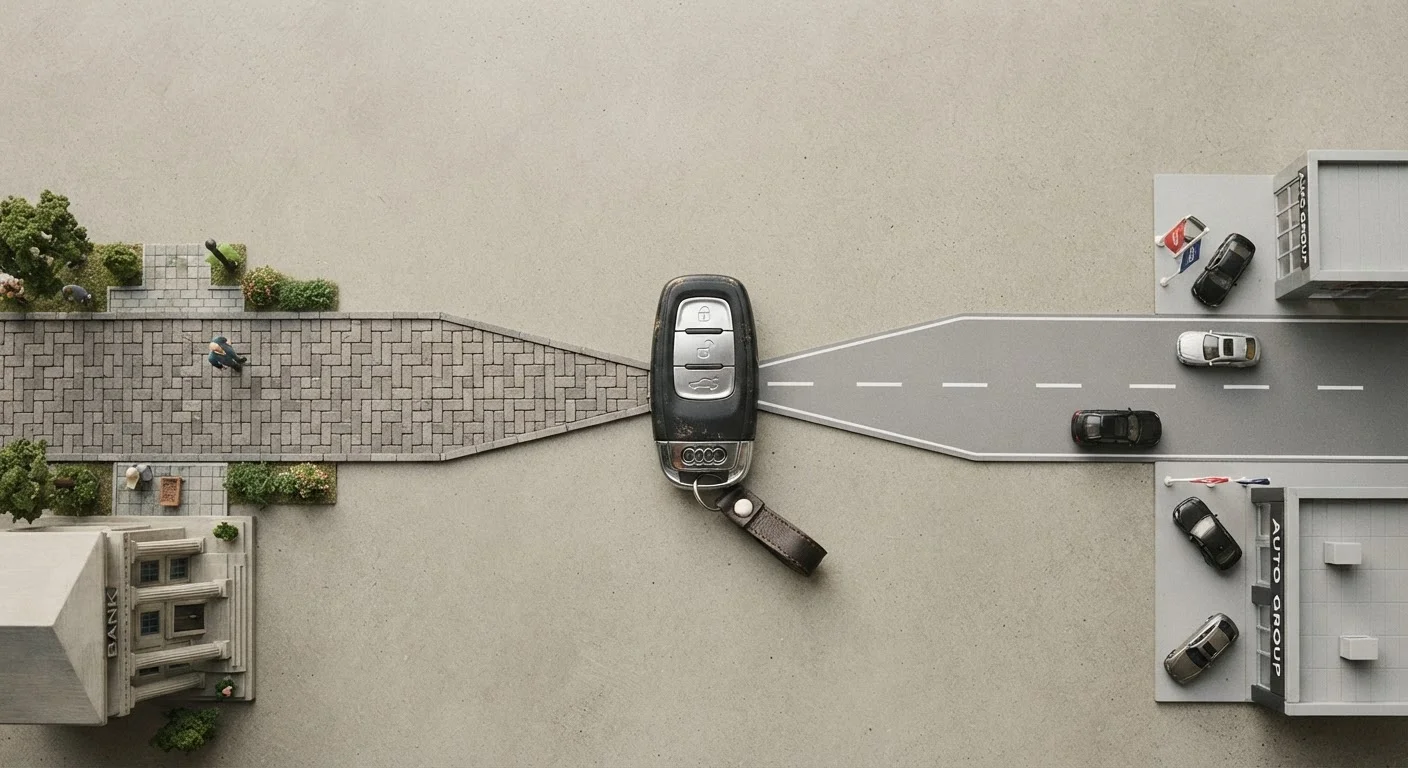
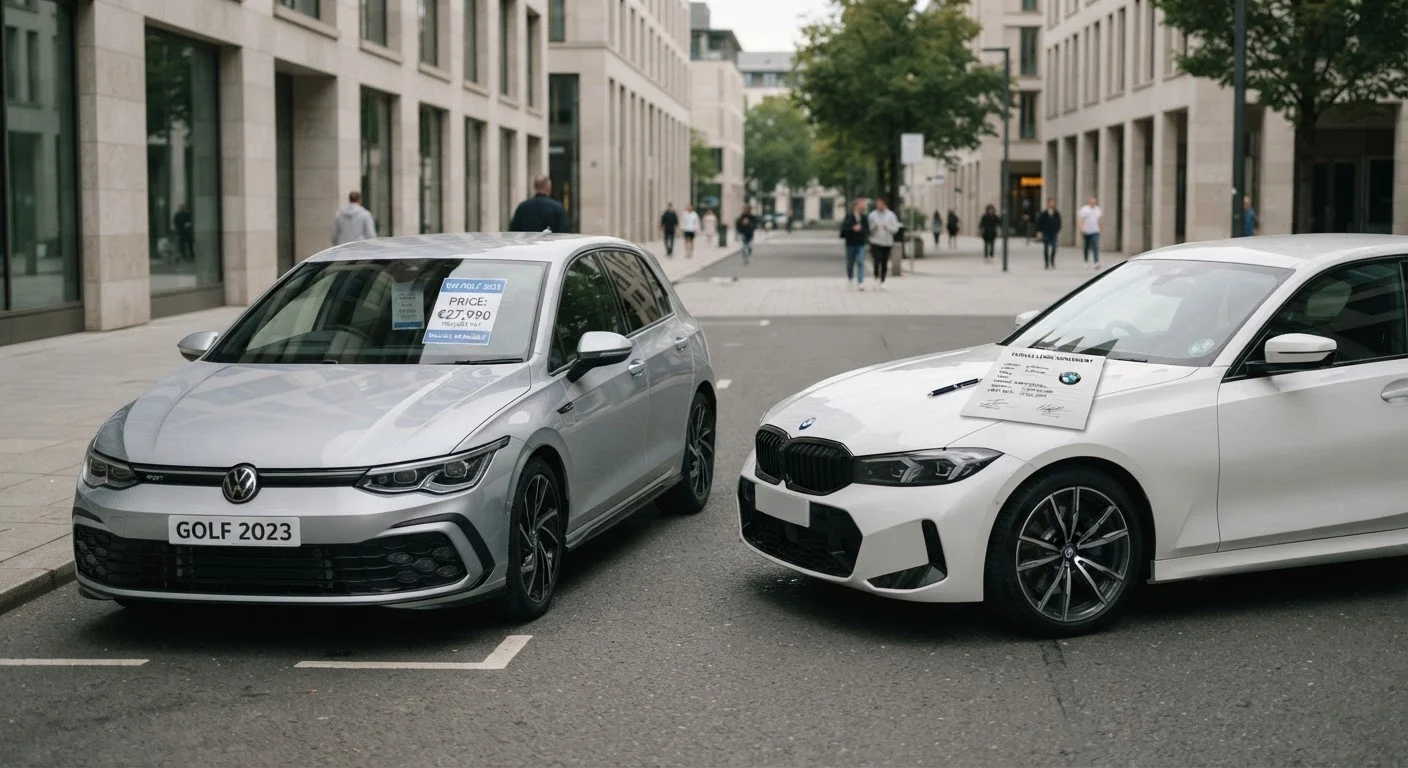
When you lease a vehicle, you're essentially paying for the right to use it for a set term - typically two to four years - after which you return it to the dealer. Your monthly payment covers the vehicle's depreciation during that period, plus interest (called the money factor) and fees. You never own the car.
When you buy, you either pay the full purchase price upfront or finance the vehicle through a loan. Each payment builds equity - the portion of the car's value you own outright. Once the loan is paid off, the car is yours with no further obligation.
Understanding this structural difference is the foundation for evaluating everything else. Before diving into financing options, it's worth doing the financial groundwork first - see our guide to preparing your finances before visiting a showroom.
The Case for Leasing
Leasing has genuine appeal for the right driver - but it's important to understand exactly what you're getting.
Lower monthly payments than a comparable loan
Because lease payments cover only depreciation - not the full vehicle value - they're typically lower than loan payments for the same car, freeing up monthly cash flow.
Drive a newer vehicle more frequently
Lease terms usually run two to four years, meaning you can transition to a newer model with updated safety features and technology on a predictable cycle.
Warranty coverage often spans the full lease term
Most new-vehicle factory warranties align with common lease lengths, so major repair costs are generally covered - reducing financial unpredictability during the term.
Lower or no down payment in many cases
Some leases can be structured with minimal upfront cash, making them accessible to drivers who haven't accumulated a large down payment, though this affects the monthly rate.
~30%
Share of new vehicles financed via lease in the US
Experian's State of the Automotive Finance Market reports have consistently shown leasing representing roughly a quarter to a third of new vehicle transactions in recent years.
10,000-15,000
Typical annual mileage allowance in a standard lease
Most standard lease contracts cap annual mileage in this range; exceeding it typically triggers per-mile fees ranging from $0.10 to $0.25 or more per mile.
One practical note: lease contracts come with mileage caps, commonly 10,000-15,000 miles per year. Exceeding those limits triggers per-mile overage fees, which can add up quickly at lease-end.
The Case for Buying
Ownership has a straightforward long-term advantage: once the loan is paid off, you stop making payments entirely while still having a usable asset.
You build no equity in the vehicle
Every payment on a purchase loan increases your ownership stake. Over time, a paid-off vehicle is a tangible asset - something leasing never provides.
Higher total cost if you always lease
Serial leasing means perpetual payments with no endpoint. Over a decade, a buyer who keeps their vehicle after the loan is paid off typically spends less in total than someone who leases continuously.
Freedom to modify or sell the car at any time
Owners can sell, trade in, or modify their vehicle whenever it suits them. Exiting a lease early usually involves significant termination fees.
No mileage restrictions
Owners drive as many miles as they need without financial penalty - a meaningful advantage for commuters or anyone who regularly takes long road trips.
If you're weighing how to finance a purchase, it's worth comparing your options carefully. Our breakdown of dealership financing vs. bank or credit union loans walks through both routes in detail.
The Variables That Should Drive Your Decision
A few practical questions clarify which path fits your life:
- How many miles do you drive annually? High-mileage drivers - generally above 15,000 miles per year - are often better served by buying to avoid overage fees.
- How long do you keep vehicles? If you typically own a car for seven or more years, buying almost always wins on total cost. If you prefer newer vehicles every two to three years, the cost gap narrows.
- How do you use your car? Leased vehicles must be returned in good condition; significant wear, modifications, or damage can result in end-of-lease charges.
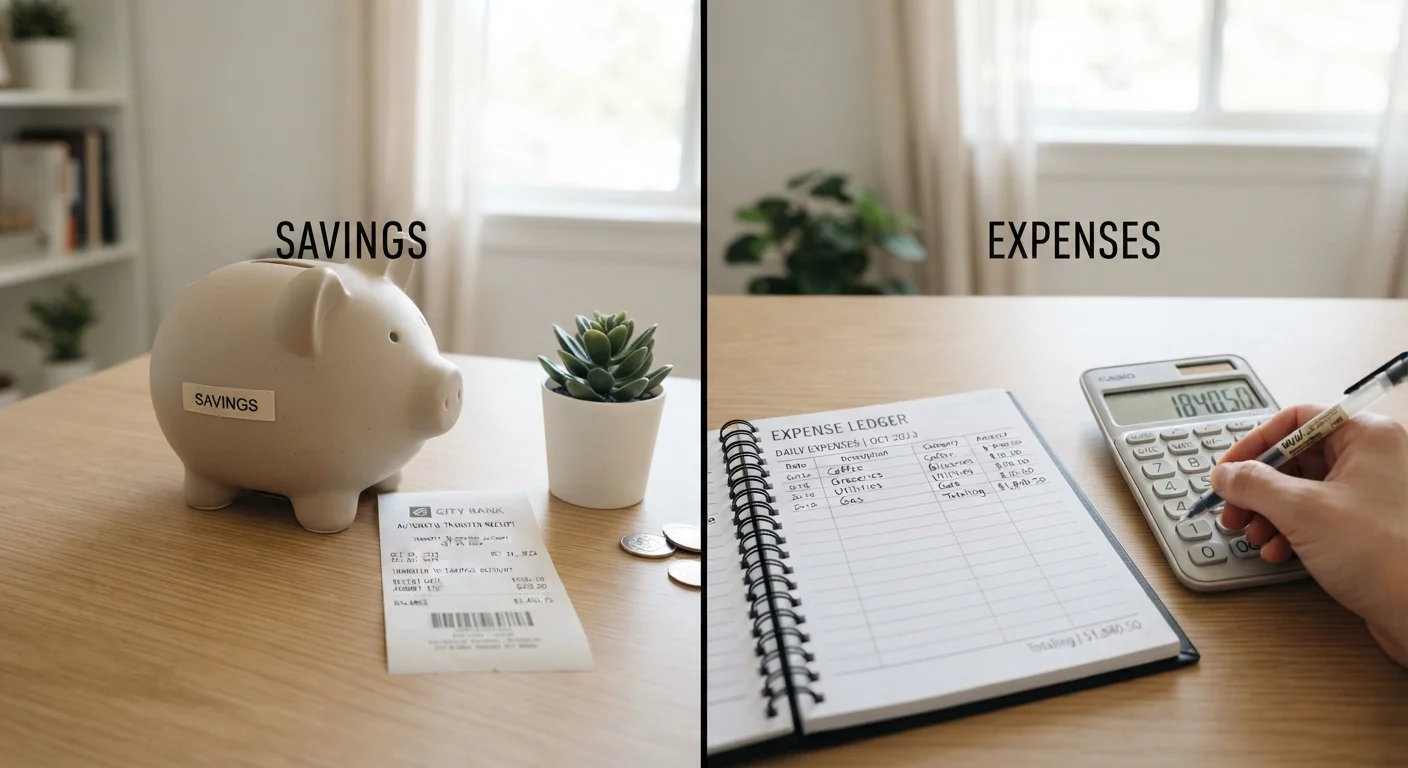
- What are your broader financial priorities? Car payments exist within a wider financial picture. The principles behind paying yourself first vs. tracking expenses apply here - where does a car payment fit your savings strategy?
Residual Value and Money Factor Matter
Two figures in a lease contract directly affect your cost: the residual value (the vehicle's projected worth at lease-end) and the money factor (the lease equivalent of an interest rate). A higher residual value lowers your payments; a lower money factor reduces the financing cost. Understanding these terms gives you more leverage when reviewing a lease offer.
There's no universally correct answer. Run the actual numbers for a vehicle you're considering - total lease cost over the term versus the total cost of financing and owning - before committing.
This article is for general informational and educational purposes only and does not constitute financial or legal advice. Consult a qualified financial professional regarding decisions specific to your circumstances.