
The Habit Loop: Cue, Routine, Reward
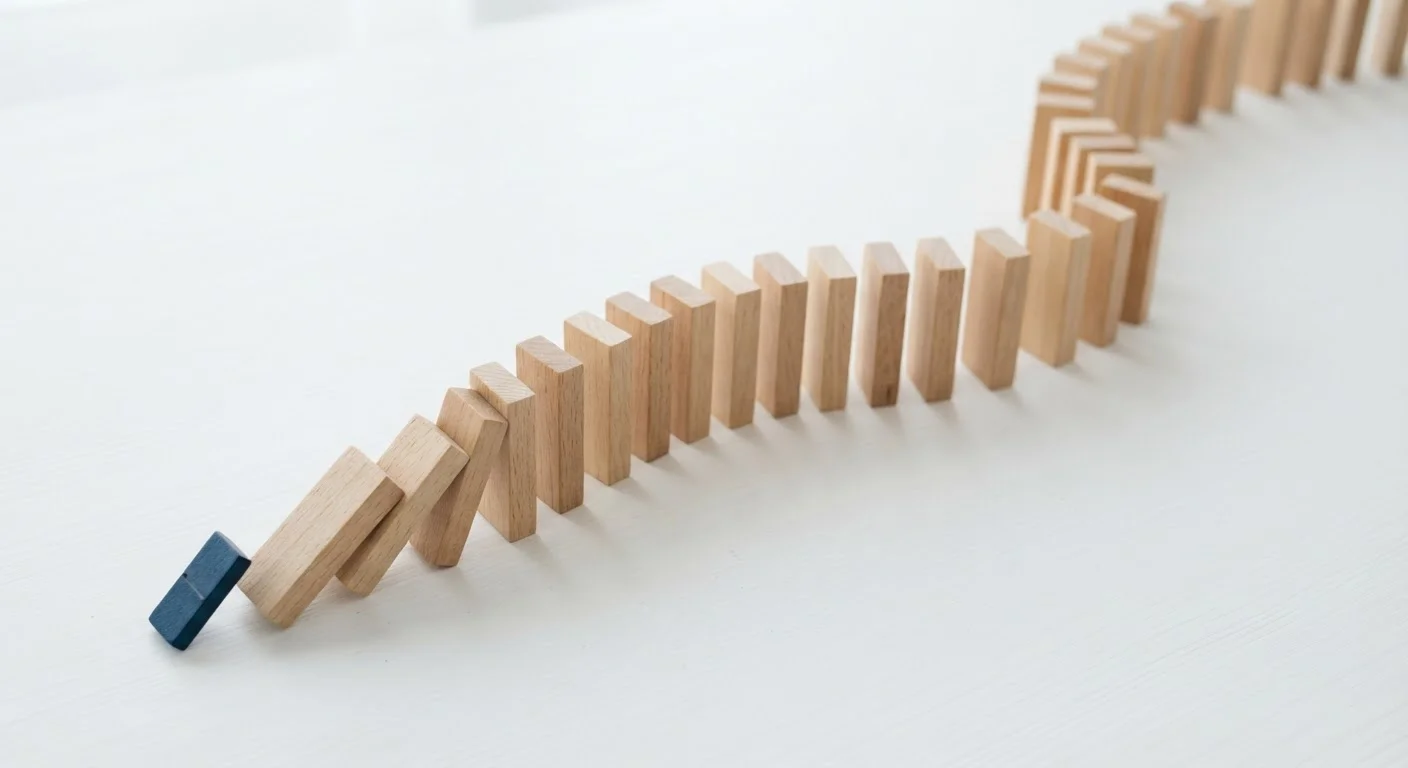
Every habit - from checking your phone to lacing up running shoes - follows the same three-part neurological loop. A cue triggers the behavior, a routine executes it, and a reward reinforces it. Over repeated cycles, the brain begins anticipating the reward the moment the cue appears, which is what creates the sensation of craving that sustains habits long-term.
This model, supported by decades of research from MIT's Ann Graybiel Lab and popularized in behavioral literature, explains why so many willpower-based strategies fail. When you rely on motivation alone, you're engaging your prefrontal cortex - the brain's slow, deliberate decision center - every single time. Habits bypass that system entirely. That's why a seasoned runner doesn't debate whether to go for a jog; the cue initiates the behavior almost without thought.
Diagnose Before You Redesign
Before scrapping a failing habit entirely, spend a week tracking when it breaks down. Most habits fail at the same point - usually a vague cue or an absent reward. Identifying the weak link lets you make a targeted fix rather than starting over from scratch.
Understanding which part of your loop is weak helps you fix it precisely. If you can't sustain a habit, ask: Is the cue unclear? Is the routine too effortful? Is the reward too delayed or too small?
Why Context and Consistency Beat Motivation
Motivation is unreliable - it fluctuates with mood, stress, and sleep. Context, on the other hand, is stable. Research on habit formation consistently shows that environmental cues are the most powerful drivers of automatic behavior. Performing a routine in the same place, at the same time, and in response to the same trigger dramatically accelerates the chunking process.
This is why a new exercise routine often collapses after two weeks: motivation peaks early, then fades, and without a reliable environmental cue to take over, the behavior stalls. See our deep dive into why gym routines collapse for a closer look at the behavioral patterns involved.
40%
Of daily actions are habitual, not deliberate
Research by Wendy Wood and colleagues at Duke University found that roughly 40% of people's daily behaviors are performed in the same location and are repeated daily habits rather than conscious decisions.
66 days
Median time to form a new habit
A UCL study led by Phillippa Lally found the median time for a new behavior to become automatic was 66 days, with wide individual variation based on behavior complexity.
~3x
Faster habit formation with stable context
Studies on environmental consistency suggest behaviors performed in the same context each time become automatic significantly faster than those performed in variable settings.
Practical consistency strategies include placing visual cues where you can't miss them - a journal on your pillow, running shoes by the door - and anchoring new behaviors to existing ones through habit stacking. The goal is to make the cue unavoidable and the routine as frictionless as possible.
Designing Habits That Actually Stick
The most durable habits share a few structural features: they are small enough to start easily, tied to a clear cue, and rewarded immediately. Behavioral scientist BJ Fogg's research on "tiny habits" demonstrates that shrinking a behavior until it feels almost trivially easy reduces the activation energy required - making it far more likely to survive low-motivation days.
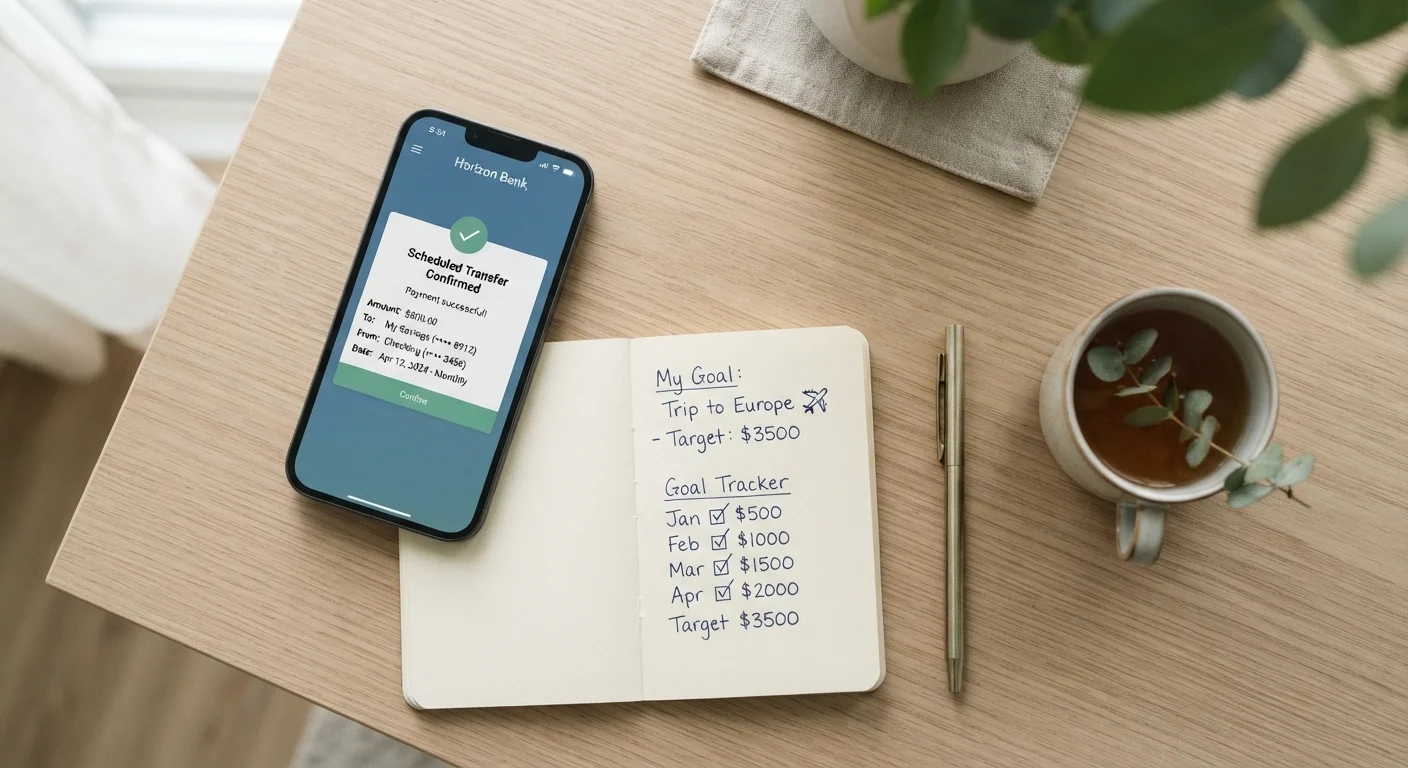
Reward design matters, too. The brain encodes habits more efficiently when the reward follows the routine quickly and feels genuinely satisfying. Abstract rewards like "better health in six months" don't fire dopamine circuits the way immediate ones do. This principle applies well beyond fitness - it's why automating savings transfers works so well: the behavior happens without willpower, and the visible account balance provides ongoing reinforcement.
Once a core habit is established, it can anchor more complex behavior changes. For a structured look at which habits tend to generate the most downstream benefits, see our guide to keystone habits and their chain reactions.
Breaking Unwanted Habits Using the Same Science
The same loop that builds helpful habits also locks in harmful ones. Because cues become deeply associated with routines, simply trying to stop a behavior through willpower leaves the cue active - which is why cravings persist long after someone has "decided" to quit a habit.
The more effective approach is cue disruption combined with routine substitution: identify the cue, keep the reward, but insert a different routine in between. This doesn't erase the old neural pathway, but it creates a competing one that becomes stronger with repetition. Changing your environment to eliminate or alter the cue is even more powerful - which is why relocating, changing jobs, or starting a new semester often triggers lasting behavioral shifts.
This same neurological dynamic underpins why nighttime anxiety spirals are so hard to stop through effort alone. The science of nighttime rumination follows a similar cue-loop-reinforcement structure that requires deliberate interruption strategies, not just resolve.
Habit Change Takes Longer Than You Think
A widely cited UCL study found that real-world habit formation ranges from 18 to 254 days depending on the behavior and the individual. Set expectations accordingly: two weeks of effort is the beginning of the process, not a meaningful test of whether a habit will last. Patience and consistency are the actual mechanism.