
Why the Distinction Matters
Most professionals have heard all three terms - mentor, sponsor, coach - and use them somewhat interchangeably. That's a costly habit. Each relationship operates on a different premise, runs on different expectations, and produces different outcomes. Treating a mentor like a sponsor, or expecting a coach to open doors, results in frustration for everyone involved.
The good news: once you understand what each relationship actually delivers, you can approach the right person for the right need - and build the kind of support network that compounds over a career. See how these relationships fit into a broader development framework in our career development overview.
| Mentorship | Sponsorship | Coaching | |
|---|---|---|---|
| Primary function | Share wisdom and perspective | Advocate and open doors | Build targeted skills or behaviors |
| Who provides it | Senior peer in your field | Influential leader with access | Trained professional or skilled peer |
| Direction of value | Mentor speaks to you | Sponsor speaks about you | Coach facilitates your own insight |
| Typical timeframe | Ongoing, informal | Long-term, relationship-based | Time-bound, goal-specific |
| Best career stage | Early to mid-career | Mid-career and beyond | Any inflection point |
| Risk to the relationship provider | Low - advice only | High - their capital is at stake | Low - professional service role |
Mentorship: Guidance Rooted in Shared Experience
A mentor is someone further along a path you're also walking who shares their experience to help you navigate yours. The relationship is conversational, typically informal, and built on trust developed over time. A mentor reflects on what they've learned, flags mistakes worth avoiding, and helps you think through decisions - but they do not act on your behalf.
Mentorship is most valuable when you're encountering situations your own experience hasn't prepared you for: a new industry, a first management role, a career pivot. The mentor's value lies in their pattern recognition. They've seen this before, and their perspective compresses your learning curve.
Make It Easy for a Mentor to Say Yes
When approaching a potential mentor, come with a specific ask rather than a broad request for guidance. Identify one or two decisions or challenges you're working through and ask for a single focused conversation. If it goes well, a longer relationship often develops naturally. Vague requests for mentorship are the leading reason experienced professionals decline - not a lack of willingness to help.
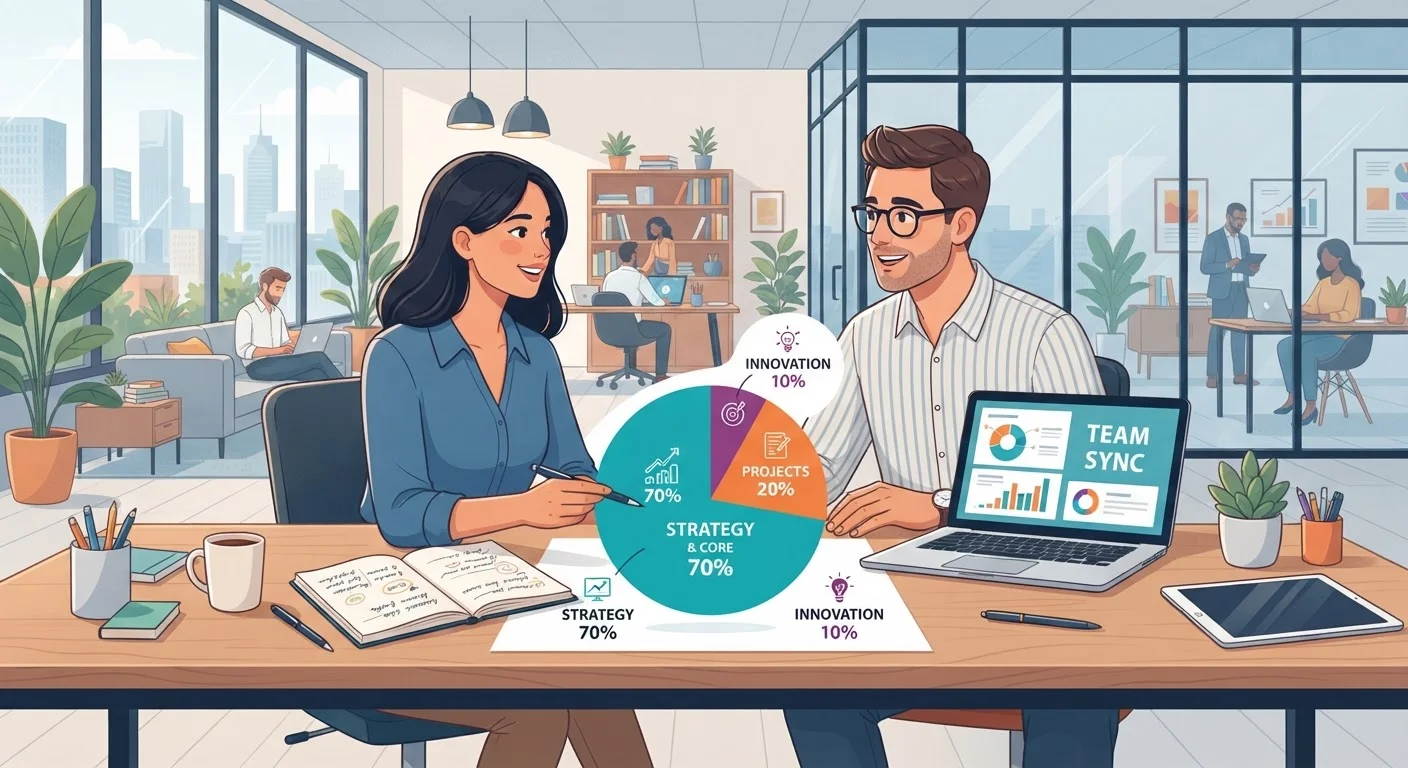
One important boundary: a mentor's job is to inform your thinking, not to make decisions for you. The most productive mentoring relationships involve a mentee who comes prepared with specific questions, not a general request to "be guided." This connects directly to how experiential learning works - mentorship represents the relational 20% that accelerates on-the-job growth.
Sponsorship: Advocacy When It Counts
Sponsorship is fundamentally different from mentorship: a sponsor uses their own social and political capital to advocate for your advancement. They recommend you for stretch assignments, name you in high-stakes conversations, and put their credibility on the line for your potential.
Research from organizations studying workplace equity - including Catalyst and Coqual - consistently shows that sponsorship gaps account for a significant portion of advancement disparities, particularly for women and underrepresented professionals. Having a mentor is not a substitute. A mentor talks to you; a sponsor talks about you.
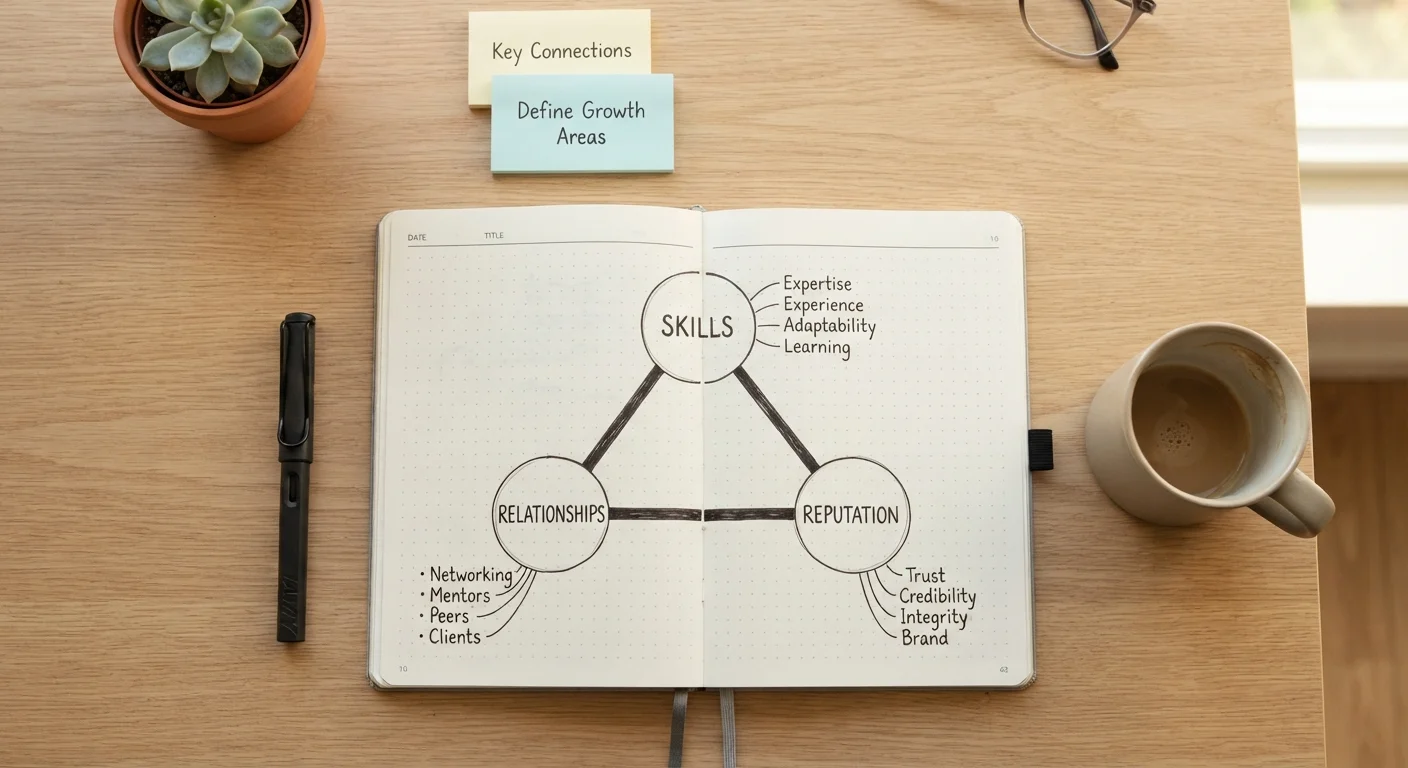
Sponsorship is typically earned, not asked for directly. You build it by delivering visible, high-quality work, demonstrating reliability in high-exposure situations, and making the sponsor look good by association. Once established, this kind of relationship can open doors that no amount of mentoring conversation can unlock. Think of it as a core component of your career capital - specifically the reputation and relationships layer.
Coaching: Structured Development with a Defined Goal
Unlike mentorship or sponsorship, coaching is typically time-bound, goal-specific, and often involves a trained professional (though peer coaching exists too). A coach doesn't need to share your industry background - their value comes from structured questioning, accountability frameworks, and behavioral feedback rather than lived experience in your field.
Coaching works best when you can name what you want to change: executive presence, communication under pressure, delegation habits, or how you handle conflict. Without a clear goal, coaching becomes expensive conversation. With one, it can accelerate change that would otherwise take years of trial and error.
Don't Confuse a Coach with a Therapist
Coaching is forward-focused and performance-oriented - it's not designed to process past trauma or manage mental health conditions. If sessions consistently surface deeper emotional material, a qualified therapist or counselor is the appropriate professional. Mixing up these roles can slow progress in both directions and may not serve your wellbeing effectively.
Many organizations offer coaching as part of leadership development programs, making it accessible without a personal financial commitment. If you're weighing how to invest in your own development, consider how coaching fits alongside other learning modes - our guide to the 70-20-10 learning model breaks this down practically.
Building the Right Mix at Each Career Stage
These three relationships aren't mutually exclusive - and the proportion you prioritize should shift as your career evolves. Early on, mentorship fills knowledge gaps and helps you navigate unfamiliar terrain. As you gain experience and visibility, cultivating a sponsor becomes the higher-leverage move. Coaching can be valuable at any stage, but tends to deliver the most impact at inflection points: a promotion, a role change, or a performance plateau.
One practical approach is to think of these relationships as part of a personal board of advisers - a deliberate, diverse group of people who serve different functions in your professional development. This framing prevents over-reliance on any single person and keeps expectations appropriately calibrated. When you know what you're asking for and why, every relationship becomes more productive - for both sides. Whether you're weighing a lateral move or a promotion, the right support relationship can sharpen your decision-making at exactly the right moment.
19%
Promotion rate gap without a sponsor
Coqual (formerly Center for Talent Innovation) research found that sponsorship significantly narrows promotion gaps that mentorship alone does not address.
3 in 4
Executives credit a mentor for their success
A survey cited by the American Management Association found that a large majority of senior leaders identified a key mentor as instrumental in their career trajectory.