
Why Saving Feels Hard (And Why That's Normal)
If you've told yourself you'll save more "next month" more than once, you're not failing - you're experiencing a well-documented behavioral pattern. Research in behavioral economics consistently shows that humans favor immediate rewards over future ones, a tendency called present bias. For young professionals juggling student loans, rising rents, and the social costs of building a career, that bias is especially powerful.
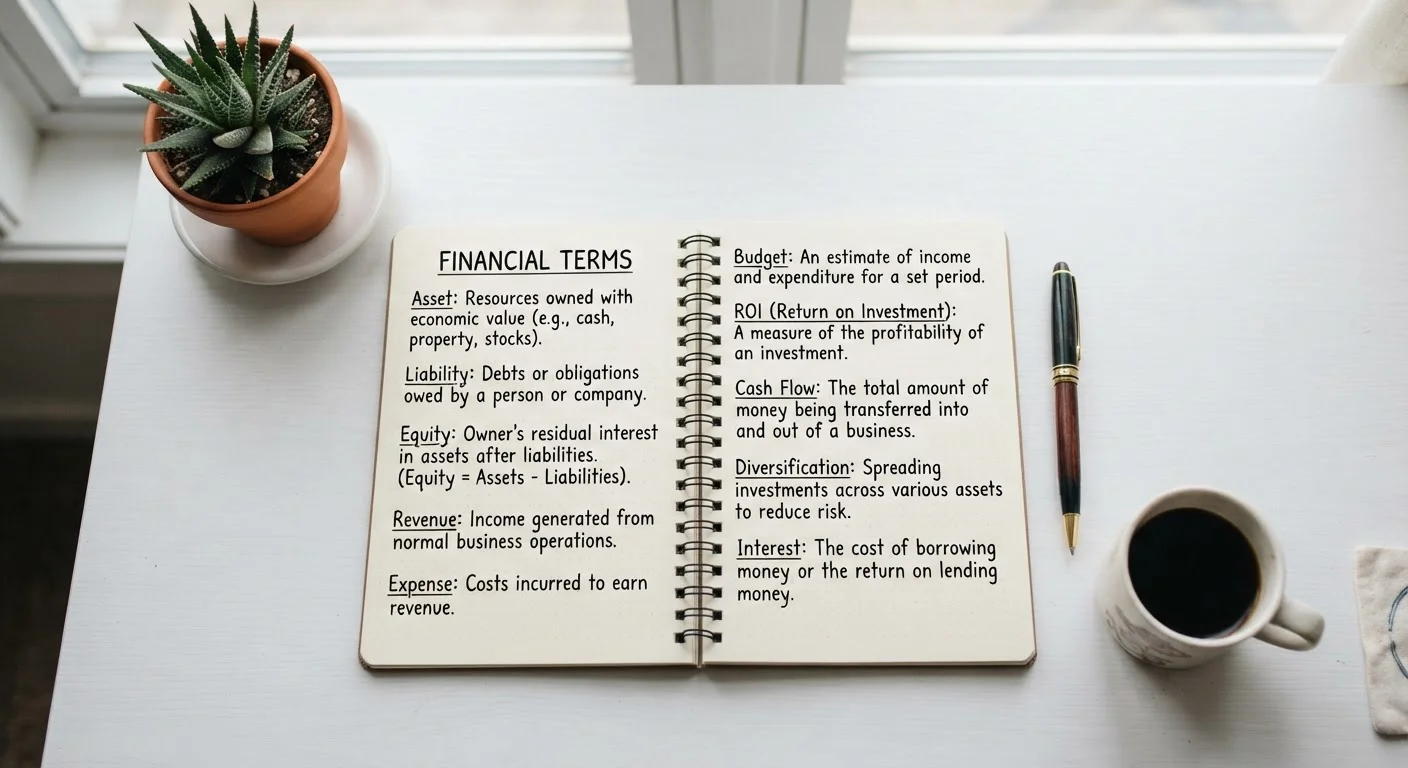
The solution isn't more discipline. It's a better system. Before diving into tactics, it helps to understand what you're working with. If terms like APY, liquidity, or net income feel slippery, the Key Terms Every Saver Should Understand is a useful starting point. For a broader financial vocabulary, see Personal Finance Terms Every Young Professional Should Know.
57%
Americans who can't cover a $1,000 emergency
According to a Bankrate survey, more than half of U.S. adults would struggle to pay for an unexpected $1,000 expense from savings alone.
$300/mo
Needed to build a $3,600 annual savings cushion
Consistent monthly contributions - even modest ones - compound into meaningful financial buffers over 12 months without any investment risk.
21%
Higher savings rate with automated transfers
Research in behavioral finance suggests that automating savings contributions leads to materially higher savings rates compared to manual, intention-based approaches.
Set Goals That Actually Motivate You
Vague intentions like "save more" rarely produce results. Concrete, time-bound goals do. The difference is specificity: "Save $3,000 for an emergency fund in 10 months by setting aside $300 per month" gives your brain a clear target and a clear timeline.
Useful categories to organize around:
- Emergency fund: Three to six months of essential expenses. This is your first priority - it protects every other financial goal.
- Short-term goals (under 2 years): A trip, a security deposit, professional certifications.
- Medium-term goals (2-5 years): A car, a down payment, a career transition fund.
For each goal, write down the target amount, the deadline, and the monthly contribution required. That single exercise converts a wish into a plan. If you're newer to managing money overall, Taking Control of Your Money lays the broader groundwork.
Name each savings account after its goal - "Emergency Fund," "Japan Trip," "Car Down Payment." Most online banks let you label accounts, and the label alone reduces the temptation to raid the fund for other purposes.
Studies in behavioral economics show that labeling money for a specific purpose (a technique called "mental accounting") reduces the likelihood of diverting those funds to unrelated spending.
When you get a raise, immediately redirect at least half of the after-tax increase to savings before it gets absorbed into lifestyle spending. Set the automation change before your next paycheck arrives.
Lifestyle inflation - spending rising proportionally with income - is the most common reason professionals with growing salaries still feel they can't save. Intercepting a raise at the source sidesteps this pattern entirely.
Choose the Right Account for Each Goal
Not all savings should live in the same place. Matching an account to a goal's time horizon protects both your liquidity (access to funds) and your potential yield (interest earned).
- High-yield savings account (HYSA)
- Best for your emergency fund and goals within two years. Federally insured (FDIC up to $250,000 per depositor, per institution), liquid, and currently offering meaningfully higher APY than traditional savings accounts.
- Money market account
- Similar to an HYSA with slightly different features - some offer check-writing access. Useful for funds you may need quickly but want earning interest.
- Certificates of deposit (CDs)
- Fixed-term, fixed-rate. Better yields in exchange for locking up funds. Best for money you won't need for a set period - 6 months to several years.
Keep your emergency fund separate from your everyday checking account. Out of sight, out of reach - that friction matters.
Open a Separate Account for Each Major Goal
Keeping goal-specific savings in separate accounts - rather than one lump sum - makes progress visible and reduces accidental overspending. Many online banks allow multiple savings accounts at no cost. Label each one clearly and set up individual automatic transfers for each goal.
Build Your Saving System Around Automation
The most reliable saving habit is one that doesn't require a decision. Automating transfers - scheduled to move money from checking to savings the day after your paycheck lands - eliminates the temptation to spend first and save whatever's left.
This "pay yourself first" approach is widely endorsed by financial educators because it works with human psychology rather than against it. Even $50 per paycheck, automated consistently, adds up to over $1,200 a year before interest.
For a deeper look at how to set this up and why consistency beats size, see Automating Your Savings: How Consistent Small Transfers Beat Willpower.
Fund Your Emergency Reserve Before Other Goals
Without a financial cushion, any unexpected expense - a medical bill, a car repair, a gap in employment - forces you into debt, which can set back other savings goals significantly. Prioritize three to six months of essential expenses in a liquid, accessible account before aggressively contributing to vacations, investments, or other targets. This one sequencing decision protects everything else you're building.
Free Up Cash Without Overhauling Your Life
Finding money to save doesn't always mean drastic cuts. Small, targeted adjustments to recurring expenses often yield more sustainable results than strict austerity.
Practical starting points:
- Audit subscriptions quarterly. Cancel any service you haven't used in 60 days. A typical household carries more unused subscriptions than it realizes.
- Renegotiate recurring bills. Internet, phone, and insurance providers often have retention rates available to customers who ask.
- Cook one more meal per week. Food is often the highest-discretionary-spend category for young professionals. A single substitution per week can free $50-$100 monthly.
- Use windfalls intentionally. Direct tax refunds, bonuses, or side income toward goals before they get absorbed into spending.
For a full framework on mapping income and expenses to find these gaps, Budgeting From Scratch to Financial Confidence covers the process comprehensively.
Don't Cut So Deep You Can't Sustain It
Extreme frugality often leads to rebound spending - the financial equivalent of crash dieting. Build a budget that includes some discretionary spending you enjoy. A realistic plan you stick to for years outperforms a perfect plan you abandon in three months. Sustainable progress beats intensity every time.
From Saving to Investing: Knowing When You're Ready
Saving and investing serve different purposes. Savings protect you - they're liquid, stable, and low-risk. Investing grows your wealth over time, but involves market risk and is best suited for money you won't need for at least three to five years.
A general readiness checklist before shifting focus toward investing:
- Your emergency fund covers three to six months of essential expenses.
- High-interest debt (credit cards, personal loans above ~7%) is paid down or has a concrete payoff plan.
- You're contributing enough to capture any employer 401(k) match - that match is effectively part of your compensation.
Once those foundations are in place, putting surplus savings to work in tax-advantaged accounts (like a Roth IRA or 401(k) beyond the match) becomes the logical next step. Investing in Your Twenties and Thirties walks through how priorities shift as your career and life evolve. You can also explore the full Investing Fundamentals hub when you're ready to go further.
This article is for general informational and educational purposes only and does not constitute personalized financial, investment, tax, or legal advice. Consult a qualified financial professional before making decisions based on your individual circumstances.