The Week-Two Wall Is a Design Problem, Not a Discipline Problem
You start the month with a clear plan: rent, groceries, transportation, savings. By day ten, an unexpected car expense, a friend's birthday dinner, and a subscription renewal have already blown two categories. You tell yourself you'll reset next month - and the cycle repeats.
This isn't a willpower issue. It's a structural one. Most budgets fail mid-cycle because they were built on optimistic assumptions rather than how money actually moves through your life. Understanding the specific design flaws is the first step to fixing them. You might also recognize this pattern from other habits - the reasons a budget collapses mid-month share real parallels with why routines fall apart after two weeks in other areas of life.
Setting category limits based on what you want to spend, not what you actually spend.
Why it happens: Most people build their first budget from a mental ideal rather than reviewing real past transactions. The result is targets that are 20-40% too low for categories like food and entertainment.
Leaving no room for irregular or non-monthly expenses.
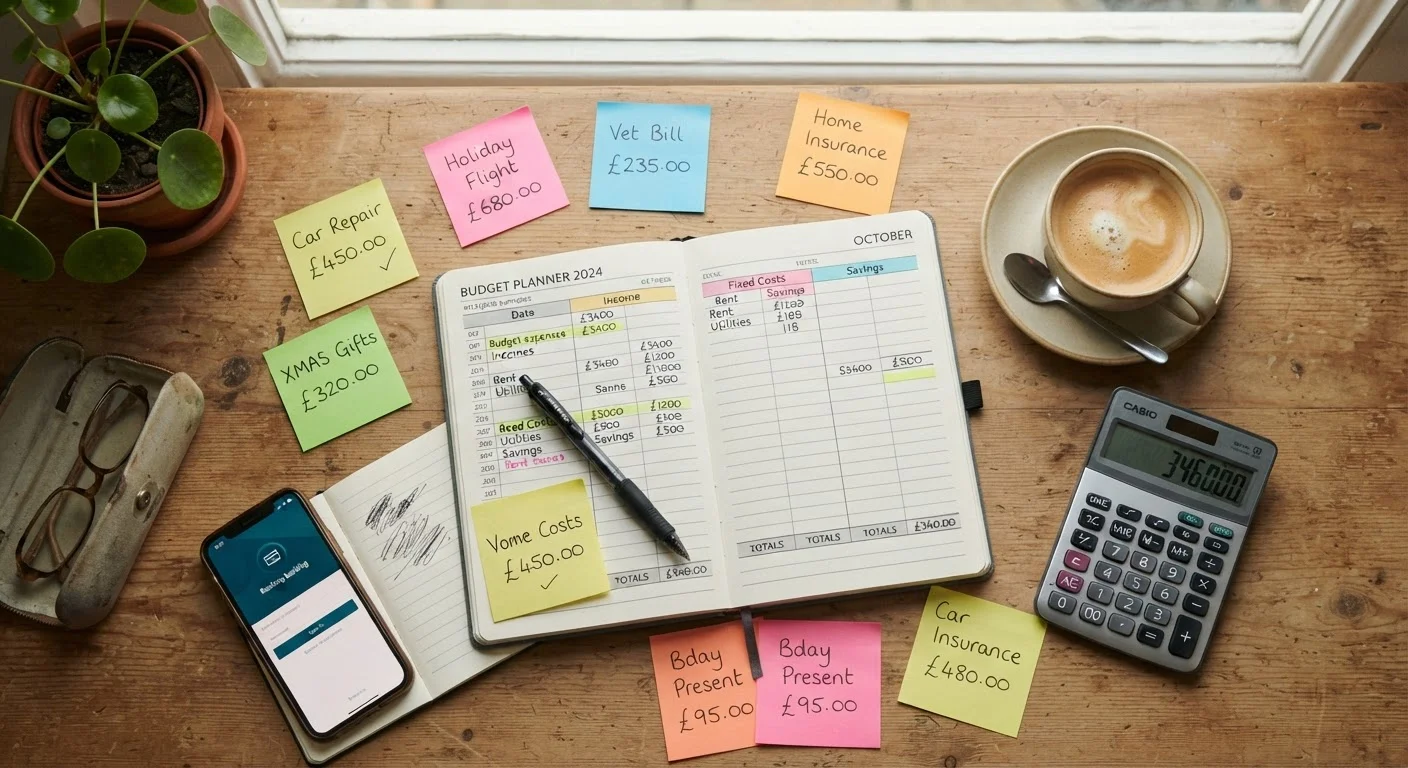
Why it happens: Monthly budgets naturally focus on recurring monthly bills. Quarterly subscriptions, car maintenance, annual insurance payments, and medical co-pays don't appear every month, so they're easy to forget - until they hit.
Treating a single overspent category as a reason to abandon the entire budget.
Why it happens: Budgets are often framed as pass/fail scorecards. When one category goes over, it can feel like the whole month is ruined, leading to an "I'll restart next month" mindset that perpetuates the mid-month collapse.
Only reviewing the budget once at month-end, when it's too late to adjust.
Why it happens: End-of-month reviews feel logical because the full picture is then visible. But by the time you see the overages, you've already overspent and have no room to course-correct within that cycle.
Budgeting for a fixed income when your income is actually variable.
Why it happens: Standard budgeting templates assume a predictable paycheck. Freelancers, contractors, and those with commission-based pay often don't know their exact monthly income in advance, making fixed-dollar category targets unreliable.
How to Rebuild a Budget That Holds Past Week Two
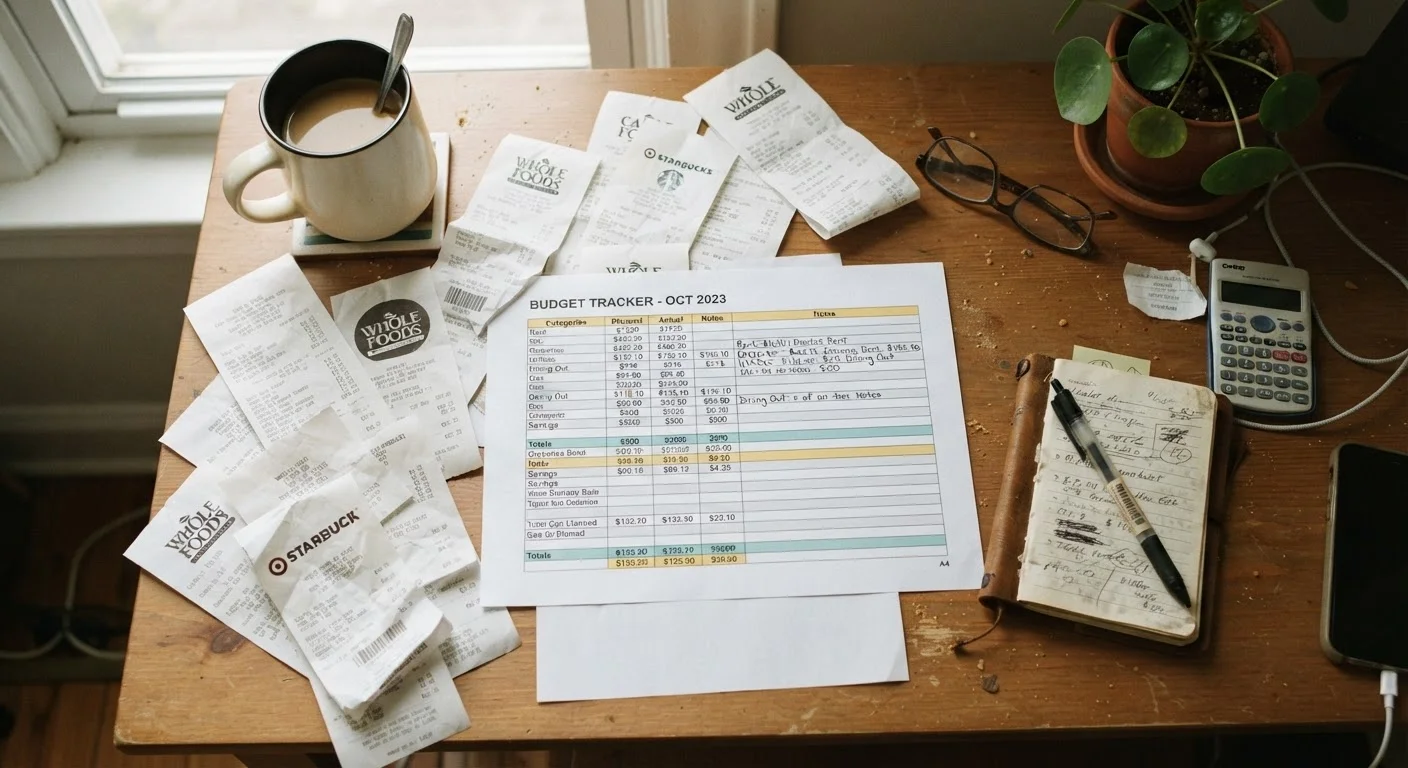
Fixing a fragile budget isn't about more restriction - it's about better architecture. Start by auditing three months of actual bank and credit card statements before you set a single category limit. This gives you a data-driven baseline instead of a wish list.
Avoid Cutting Categories to Zero
A common fix attempt is eliminating entire spending categories - dining out, entertainment, or clothing - to make the numbers balance. Budgets that rely on zero-tolerance restrictions are highly vulnerable to a single lapse. Instead of eliminating a category, reduce it to a realistic minimum. Complete deprivation tends to produce rebound spending that costs more than a moderate, maintained allowance would have.
Next, add a buffer category - sometimes called a "misc" or "life happens" line - worth roughly 5-10% of your take-home income. This isn't a slush fund for impulse spending; it's a pressure valve that absorbs genuine surprises without causing the whole plan to collapse. Pair this with a dedicated sinking fund for irregular costs. As explained in our guide on irregular expenses most budgets quietly ignore, dividing annual costs like car registration or dental co-pays by 12 and saving that amount monthly prevents the "where did this come from" shock.
Finally, schedule a short weekly check-in - 10 minutes, not an hour - to compare actual spending against your plan. This weekly cadence is far more effective than a single month-end review because it lets you course-correct while you still have spending room left. Use a monthly budget review checklist at the end of each cycle to capture insights and carry them into the next month.
~33%
Americans with a written monthly budget
A Gallup survey found roughly one-third of U.S. adults maintain a detailed household budget, suggesting most people manage money without a structured plan.
~$1,700
Average annual irregular expense per household
Research from the Consumer Financial Protection Bureau has highlighted that infrequent, unpredictable expenses are a leading cause of budget shortfalls for lower- and middle-income households.
If you suspect deeper myths are shaping your approach, it's worth reading about budgeting myths that keep people stuck - because a structurally sound budget still needs accurate mental framing to work. And if your budget is holding but savings still feel elusive, explore hidden costs quietly draining your savings for the next layer of optimization.
This article is for general informational and educational purposes only and does not constitute personalized financial advice. Consult a qualified financial professional for guidance specific to your situation.